
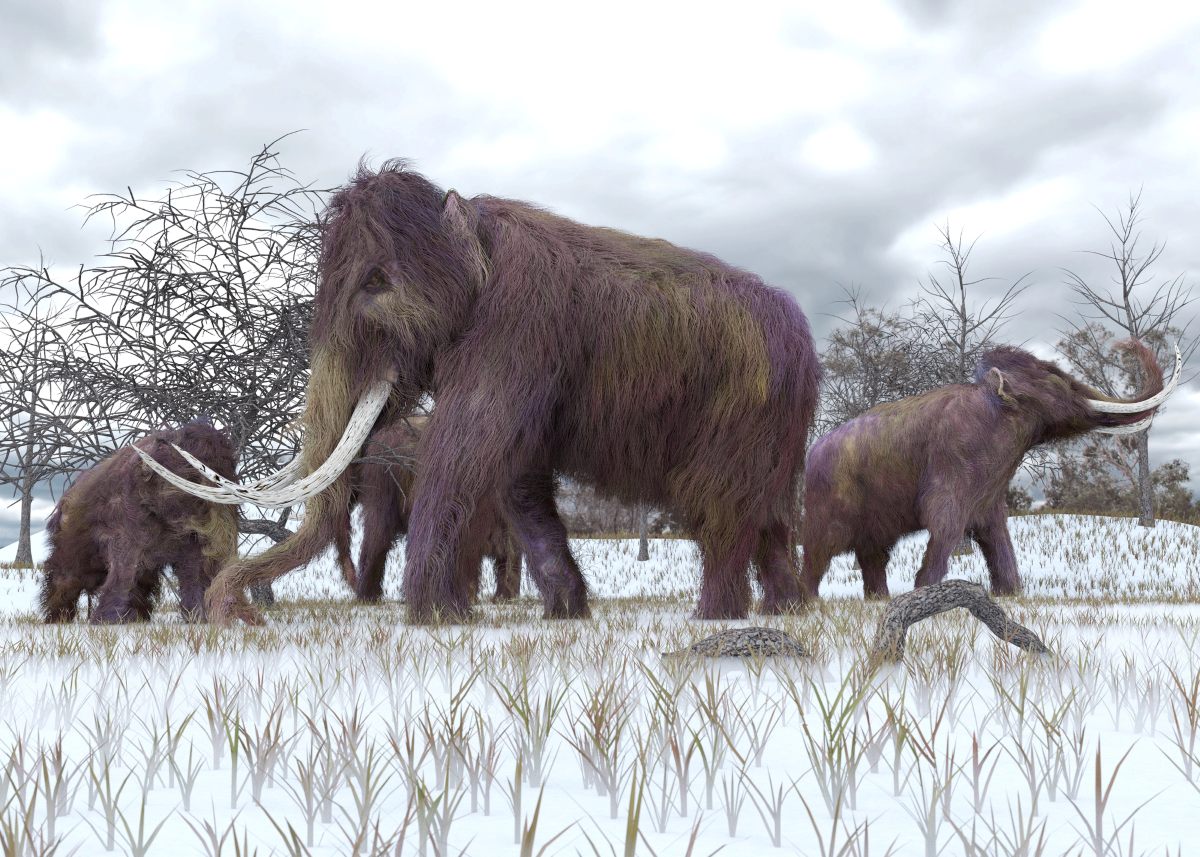

In a surprising twist, bones long thought to belong to woolly mammoths have been identified as whale bones. This discovery, made in Alaska, has puzzled scientists and sparked new questions about the region’s history.
The Discovery and Initial Assumptions
In 1951, archaeologist Otto Geist discovered large bones in Alaska’s interior, a region known as Beringia. These bones, stored at the University of Alaska’s Museum of the North, were initially believed to be from woolly mammoths. This assumption made sense because mammoth bones are common in the area, and the bones’ size suggested they belonged to these ancient giants.
Radiocarbon Dating and DNA Analysis
The museum’s ‘Adopt-a-Mammoth’ program allowed for the radiocarbon dating of these bones. The results were unexpected. The bones were only 2,000 to 3,000 years old, much younger than any known mammoth fossils.
Radiocarbon dating of the bones showed they could not be from mammoths, which went extinct around 13,000 years ago. Matthew Wooller from the University of Alaska Fairbanks noted, “Mammoth fossils dating to the Late Holocene from interior Alaska would have been an astounding finding: the youngest mammoth fossil ever recorded.”
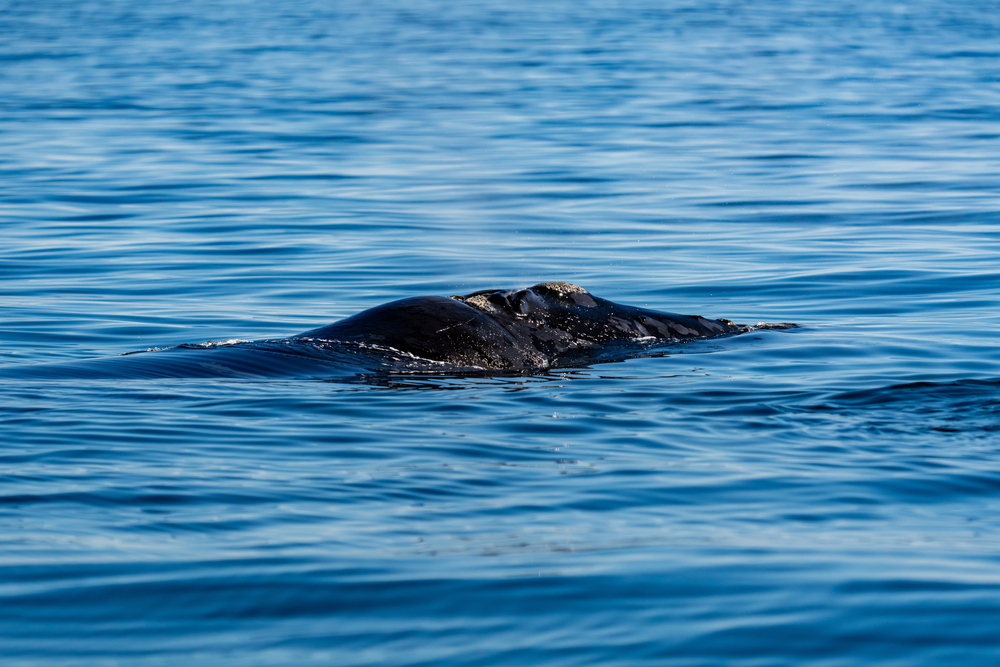
Further analysis revealed the bones belonged to a Northern Pacific Right whale and a Common Minke whale. Wooller expressed his surprise, saying, “I was pretty much gobsmacked… But then the rational science side of my brain kicked in — ‘We’ve got to do more forensic work here.’” The DNA analysis confirmed the bones’ true identity, as the study authors stated, “Our investigations culminated with DNA analyses of the two specimens, which secured identities as whales and corroborated our stable isotope findings.”
Theories on the Bones’ Journey
The presence of whale bones so far inland raises intriguing questions. One theory suggests ancient humans might have transported the bones from the coast. This practice has been documented in other regions but not in interior Alaska. Another possibility is that the bones traveled via ancient river routes, although this seems unlikely given the whales’ size and dietary needs.
Lastly, a clerical error might have occurred when the bones were first cataloged, leading to their misidentification. Adopt-a-Mammoth program and other research efforts have highlighted these possibilities.
Implications Of The Discovered Mistake
This discovery has significant implications for understanding Alaska’s history. It challenges previous assumptions about mammoth extinction timelines and highlights the importance of public research programs. As the researchers noted, stable isotope analysis and DNA testing were crucial in uncovering the truth. The case of mistaken identity serves as a reminder of the complexities in paleontological research and the value of revisiting old assumptions with new technology.
The whale bones found in Alaska’s interior have opened new avenues for research and understanding. While the mystery of how they ended up so far inland remains unsolved, the discovery underscores the importance of continuous exploration and the potential for unexpected findings in the field of paleontology.
