Taxonomy & Classification
- Kingdom
- Animalia
- Phylum
- Chordata
- Class
- Aves
- Order
- Sphenisciformes
- Family
- Spheniscidae
- Genus
- Pygoscelis
- Species
- Pygoscelis papua

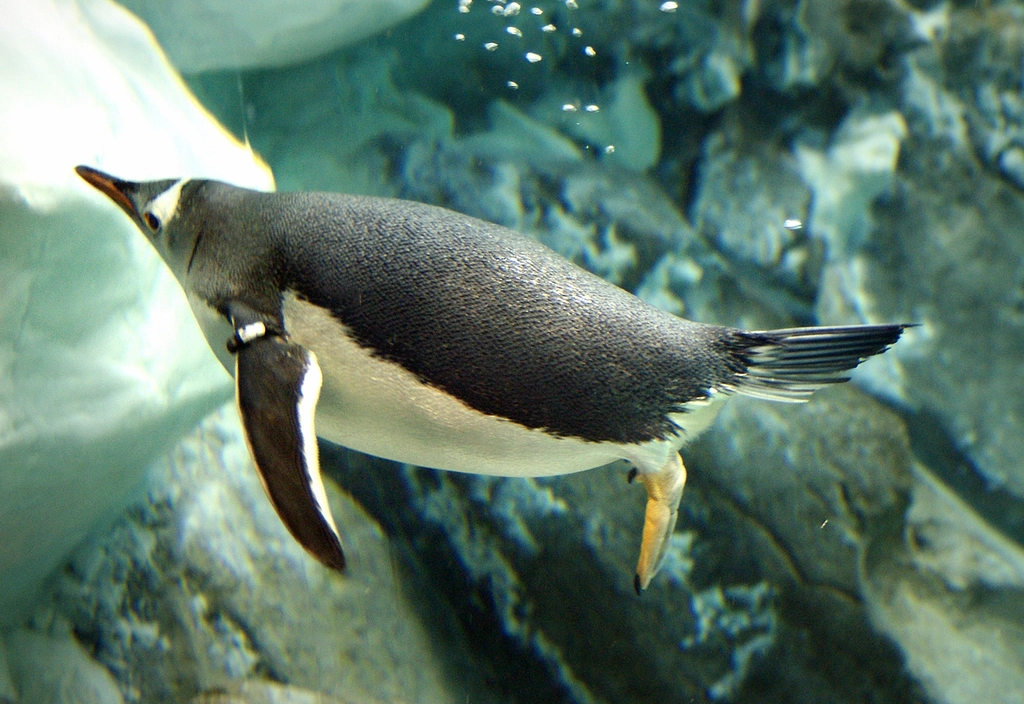 Photo Credit: Rawpixel
In the icy realms of the Southern Hemisphere, the Gentoo Penguin, scientifically known as Pygoscelis papua, stands out as a true marvel of nature. With its striking white stripe across the head and bright orange bill, this penguin is not just a delightful sight but also a symbol of resilience in one of the planet’s harshest environments. Imagine a colony of these spirited birds waddling across rocky shores, their playful antics and social interactions captivating anyone lucky enough to witness them. The Gentoo Penguin’s robust body, reaching heights of up to 36 inches, allows it to navigate the frigid waters with surprising agility, making it a skilled hunter of krill, fish, and squid.
Scientists and nature enthusiasts alike are drawn to the Gentoo Penguin for its unique behaviors and adaptations. These birds are known for their elaborate courtship rituals, where males perform charming displays to attract mates, showcasing their vibrant personalities. As they gather in large colonies on the rugged Antarctic islands, the sounds of their soft calls and the sight of their synchronized movements create a lively atmosphere that feels almost like a bustling community. The Gentoo Penguin plays a vital role in its ecosystem, acting as a mid-level predator that helps maintain the balance of marine life. As we dive deeper into the world of the Gentoo Penguin, we will explore its fascinating life cycle, diet, and the challenges it faces in a changing environment.
The Gentoo Penguin, a charming inhabitant of the Southern Hemisphere, holds a special place in the animal kingdom. Taxonomically, it belongs to the Kingdom Animalia, which includes all animals, and is classified under the Phylum Chordata, meaning it has a backbone. This flightless bird is part of the Class Aves, which encompasses all birds, and it falls under the Order Sphenisciformes, specifically the Family Spheniscidae. What makes the Gentoo Penguin particularly captivating is its distinctive white stripe across its head and its bright orange bill, setting it apart from its penguin relatives. These features not only make it visually striking but also play a role in its social interactions and mating rituals.
| Taxonomic Rank | Scientific Name | Meaning & Significance |
|---|---|---|
| Kingdom | Animalia | This name comes from the Latin word for “animal,” highlighting that Gentoo Penguins are part of the vast group of living organisms that are multicellular and consume organic material. |
| Phylum | Chordata | Derived from the Greek word “chordē,” meaning “string,” this term refers to the presence of a notochord, a flexible rod that supports the body, which all vertebrates, including penguins, possess at some stage of development. |
| Class | Aves | This Latin term means “birds,” indicating that Gentoo Penguins share characteristics with all birds, such as feathers and laying eggs, even though they have adapted to life in the water. |
| Order | Sphenisciformes | From the Greek “spheniskos,” meaning “little wedge,” this name reflects the penguin’s unique body shape, which is adapted for swimming rather than flying. |
| Family | Spheniscidae | This family name is derived from the same Greek root as the order, emphasizing the wedge-shaped body and aquatic lifestyle of these birds. |
| Genus | Pygoscelis | Meaning “rump leg,” this name refers to the penguin’s distinctive short legs and the way they are positioned on their bodies, which aids in their swimming abilities. |
Understanding the Gentoo Penguin’s classification reveals much about its evolutionary journey. As a member of the Spheniscidae family, it shares a common ancestor with other penguins, showcasing adaptations that have allowed it to thrive in cold, aquatic environments. Its unique physical traits, such as its streamlined body and specialized flippers, highlight the evolutionary pressures that have shaped its life in the frigid waters of the Southern Ocean. This classification not only helps scientists understand the Gentoo Penguin’s biology but also provides insights into the broader story of avian evolution and the diverse adaptations that have emerged in the animal kingdom.
The evolutionary journey of the Gentoo Penguin stretches back millions of years, tracing its lineage through a fascinating tapestry of change and adaptation. Penguins, as a group, began to diverge from their ancestral bird relatives around 60 million years ago, shortly after the age of dinosaurs. The Gentoo, specifically, is part of the Pygoscelis genus, which emerged as these flightless birds adapted to life in the frigid waters of the Southern Hemisphere.
The ancestors of modern penguins were likely small, agile birds that could still fly. Over time, as they adapted to a life spent mostly in the ocean, their wings transformed into flippers, perfect for swimming. This transition marked a significant evolutionary shift, allowing them to become expert divers. The Gentoo Penguin, with its distinctive white stripe across the head and bright orange bill, showcases adaptations that have helped it thrive in its icy habitat.
These adaptations have been crucial for the Gentoo Penguin’s survival in one of the harshest environments on Earth. Their ability to swim efficiently allows them to access food sources that many other animals cannot reach, while their social structures enhance their chances of raising healthy chicks. As they continue to navigate the challenges of climate change and shifting ecosystems, the Gentoo Penguin stands as a testament to the power of evolution in shaping life on our planet.
The Gentoo Penguin is a striking sight, standing proudly at a height that ranges from about 20 to 36 inches. With its robust body and distinctive features, this penguin exudes a sense of both grace and sturdiness. Its sleek, streamlined form is perfectly designed for life in the water, while its strong flippers and webbed feet make it an agile swimmer. The Gentoo’s most eye-catching trait is its bright orange bill, which contrasts beautifully with its black head and white stripe that runs from eye to eye, giving it a charmingly expressive face.
| Feature | Description |
|---|---|
| Height | 51cm – 90cm (20in – 36in) |
| Weight | 4kg – 8kg (8.8lbs – 18lbs) |
| Skin Type | Feathers |
These physical characteristics work together to enhance the Gentoo Penguin’s survival in its chilly habitat. The feathers provide insulation, keeping the penguin warm in icy waters and harsh winds. Its size and weight allow it to dive deep and swim efficiently, hunting for fish and krill, which are essential parts of its diet. The vibrant bill not only adds to its charm but also plays a role in attracting mates during the breeding season. Together, these features create a penguin that is not only visually captivating but also perfectly adapted to thrive in its environment.
The Gentoo Penguin thrives in a stunningly rugged environment, primarily found on rocky Antarctic islands. Picture steep cliffs and icy shores, where the sound of crashing waves meets the soft calls of these playful birds. Their homes are often adorned with patches of snow and ice, creating a stark yet beautiful contrast against the deep blue ocean. This habitat is not just picturesque; it provides the perfect setting for these penguins to nest and raise their young.
The climate in these regions is harsh and unforgiving, characterized by cold temperatures and strong winds. Gentoo Penguins are well-suited to this environment, as they prefer areas with ice and snow, which help them stay cool. The surrounding waters are rich in nutrients, supporting a diverse array of marine life that the penguins rely on for food. These conditions create a delicate balance, where the penguins must adapt to survive the extremes of their icy world.
To thrive in such a challenging habitat, Gentoo Penguins have developed several remarkable adaptations. Their thick layer of blubber and dense feathers keep them warm in frigid waters, while their strong flippers allow them to swim efficiently in search of fish and krill. Additionally, their nesting habits, often in rocky crevices, protect their eggs from the harsh elements. These adaptations not only ensure their survival but also highlight the incredible resilience of life in one of the planet’s most extreme environments.
The Gentoo Penguin leads a lively daily life filled with activities that revolve around its colony. These social birds are known for their energetic nature, often seen waddling across the rocky shores or diving into the frigid waters in search of food. Their day typically begins with a morning swim, where they hunt for fish and krill, their favorite snacks. After a hearty meal, they spend time preening their feathers, ensuring they stay waterproof and insulated against the cold. As the sun sets, they gather in groups, sharing warmth and safety as they settle down for the night.
Social behavior is a cornerstone of Gentoo Penguin life. These penguins thrive in colonies, which can number in the thousands. Within these bustling communities, they engage in a variety of interactions, from vocalizations to physical displays. Gentoo Penguins communicate through a series of distinctive calls, helping them identify mates and maintain group cohesion. Their social structure is quite complex, with established hierarchies that influence breeding and foraging behaviors. This strong sense of community not only fosters friendships but also enhances their chances of survival in the harsh Antarctic environment.
| Behavior Type | Description |
|---|---|
| Activity Patterns | Gentoo Penguins spend their days swimming, foraging for food, and preening their feathers to maintain insulation and waterproofing. |
| Social Structure | They live in large colonies, often consisting of thousands of individuals, which helps provide safety in numbers. |
| Communication Methods | These penguins use a variety of vocalizations and physical displays to communicate with each other, especially during mating season. |
The behaviors of Gentoo Penguins are not just fascinating; they are essential for their survival. By living in colonies, they can protect each other from predators and harsh weather. Their social interactions help them find food more efficiently and ensure that they can raise their young in a supportive environment. In the icy world they inhabit, these behaviors are vital, allowing Gentoo Penguins to thrive against the odds.
The Gentoo Penguin is a dedicated carnivore, primarily feasting on a diet rich in marine life. These agile birds are expert foragers, diving into the frigid waters to hunt for their favorite foods. Their primary meals consist of small fish, shrimp, and a particular favorite: krill, tiny crustaceans that are abundant in their icy habitat. With their streamlined bodies and powerful flippers, Gentoo Penguins can reach impressive depths as they chase after their prey, showcasing their remarkable swimming abilities.
| Dietary Aspect | Details |
|---|---|
| Diet Type | Carnivore |
| Favorite Foods | Krill, fish, shrimp |
| Prey Items | Small fish, crustaceans |
| Hunting/Foraging Strategies | Dives into water, uses speed and agility to catch prey |
This diet not only sustains the Gentoo Penguin but also plays a crucial role in its ecological niche. By preying on krill and small fish, these penguins help maintain the balance of marine ecosystems. Their daily routine revolves around foraging, which requires them to dive frequently and travel considerable distances in search of food. This energetic lifestyle is essential for their survival, especially during breeding seasons when they need to feed themselves and their chicks. The Gentoo Penguin’s diet is a perfect example of how interconnected life is in the ocean, highlighting the importance of each species in the grand tapestry of nature.
As the Antarctic summer approaches, Gentoo Penguins engage in a captivating courtship ritual. Males perform elaborate displays, including bowing and vocalizing to attract a mate. Once paired, they work together to build a nest, often using pebbles and other materials found nearby. The breeding season typically begins in late spring, around October, when the ice begins to melt, providing a suitable environment for nesting and raising their young.
| Reproductive Aspect | Details |
|---|---|
| Gestation Period | About 34 to 36 days |
| Litter Size | 2 eggs |
| Age of Maturity | About 2 to 3 years |
| Name of Young | Chicks |
Once the eggs hatch, both parents take turns caring for the chicks, keeping them warm and fed. The fluffy, gray chicks are born with a downy coat that helps them stay warm in the chilly environment. As they grow, they begin to explore their surroundings, learning to swim and hunt under the watchful eyes of their parents. This nurturing phase lasts several weeks, during which the young penguins develop the skills they need to thrive in the wild. Eventually, they will fledge, or grow their adult feathers, and join the colony as they embark on their own adventures in the icy waters of the Southern Ocean.
The Gentoo Penguin occupies a crucial role in the Antarctic food web. As a mid-level predator, it primarily feeds on krill, fish, and squid, making it an important link between the ocean’s resources and the larger predators that rely on it. However, this charming bird faces various dangers that threaten its survival in the harsh, icy environment it calls home.
To defend against these threats, Gentoo Penguins have developed several survival strategies. They often nest in large colonies, which provides safety in numbers, making it harder for predators to target individual birds. When danger approaches, they can quickly dive into the water, using their impressive swimming skills to evade attackers. Additionally, adult Gentoo Penguins are vigilant and protective of their young, using loud calls and aggressive displays to ward off potential threats. These behaviors help ensure that they can continue to thrive in their icy home.
A keystone species is an organism that plays a critical role in maintaining the structure of an ecosystem. Its presence or absence can significantly impact the environment and the other species that inhabit it. The Gentoo Penguin qualifies as a keystone species in its ecosystem, particularly in the frigid waters and rocky shores of the Antarctic. By influencing the population dynamics of its prey and serving as a food source for predators, the Gentoo Penguin helps to shape the ecological balance of its habitat.
Gentoo Penguins primarily feed on krill, fish, and squid, making them essential players in the marine food web. By consuming large quantities of krill, they help regulate its population, which in turn affects the species that rely on krill as a food source, such as seals and whales. This predation helps maintain a healthy balance in the ecosystem, preventing any one species from overwhelming the others. Additionally, the penguins’ nesting habits contribute to nutrient cycling in their environment. When they gather in colonies, their droppings enrich the soil, promoting plant growth that supports other wildlife.
The Gentoo Penguin also serves as an important indicator species. Changes in their population can signal shifts in the health of the marine ecosystem, such as the availability of food or the impacts of climate change. For instance, if the penguin population declines, it may suggest that krill stocks are diminishing, which could have cascading effects on other marine animals. Their presence helps scientists monitor the overall health of the Antarctic ecosystem, making them vital for conservation efforts.
If Gentoo Penguins were to disappear, the consequences would ripple through their ecosystem. Without these penguins, krill populations could surge unchecked, leading to overgrazing of phytoplankton, the foundation of the marine food web. This imbalance would not only affect other marine species but could also disrupt the entire Antarctic ecosystem. Additionally, the loss of Gentoo Penguins would mean fewer nutrients being returned to the soil, which could hinder plant growth and affect the animals that rely on those plants. In essence, the disappearance of this charming bird would create a domino effect, altering the delicate balance of life in the icy waters of the Southern Hemisphere.
The Gentoo Penguin occupies a vital ecological niche in its frigid habitat of rocky Antarctic islands. As a mid-level predator, it plays a significant role in the marine food web, influencing both the populations of its prey and the overall health of its ecosystem. By foraging for krill, fish, and squid, Gentoo Penguins help regulate these populations, ensuring that no single species overwhelms the delicate balance of their environment. Their presence is essential not only for their own survival but also for the myriad of other species that share their icy home.
| Ecosystem Service | Impact |
|---|---|
| Prey Regulation | Controls populations of krill, fish, and squid, preventing overpopulation. |
| Nutrient Cycling | Contributes to nutrient distribution through their waste, enriching the soil and water. |
| Habitat Creation | Their nesting activities can influence the structure of the coastal environment. |
| Food Source | Serves as prey for larger predators, linking various levels of the food web. |
Gentoo Penguins influence their ecosystem in several fascinating ways. For instance, their foraging habits not only help maintain the balance of marine life but also contribute to nutrient cycling. When they dive for food, they bring nutrients from the ocean depths to the surface, which supports the growth of phytoplankton—tiny plants that form the base of the marine food web. Additionally, their nesting sites can alter the landscape, creating areas where other species can thrive. The guano, or penguin droppings, enriches the soil, promoting plant growth that benefits other wildlife.
The broader ecological importance of Gentoo Penguins cannot be overstated. As a keystone species, their presence is crucial for maintaining the health of their ecosystem. Without them, the balance of marine life could be disrupted, leading to cascading effects throughout the food web. Their role highlights the interconnectedness of life in the Antarctic, reminding us that every species, no matter how small, plays a part in the grand tapestry of nature. By understanding and protecting Gentoo Penguins, we help safeguard the intricate web of life that thrives in one of the planet’s most extreme environments.
In the intricate web of life, symbiosis refers to the close interactions between different species, which can take on various forms. These relationships can be mutualistic, where both species benefit, parasitic, where one benefits at the expense of the other, or commensal, where one benefits while the other is neither helped nor harmed. The Gentoo Penguin, with its lively personality and unique adaptations, engages in several ecological relationships that highlight the interconnectedness of life in its icy habitat.
| Species/Type | Relationship Type | Description |
|---|---|---|
| Sea Lions | Commensal | Gentoo Penguins often share their rocky habitats with sea lions. While the sea lions do not directly benefit the penguins, their presence can deter some predators, providing a safer environment for the penguins. |
| Krill | Mutualistic | While krill are primarily a food source for Gentoo Penguins, the penguins help control krill populations, which can benefit the overall health of the marine ecosystem. |
| Seabirds | Mutualistic | Gentoo Penguins often nest near other seabirds. This proximity can provide protection from predators, as the presence of multiple species can confuse or deter threats. |
These relationships have evolved over time, shaped by the harsh conditions of the Antarctic environment. The Gentoo Penguin’s interactions with other species not only enhance its survival but also contribute to the balance of the ecosystem. By sharing their habitat with sea lions and nesting alongside other seabirds, Gentoo Penguins create a community that fosters safety and stability. In turn, their role as predators helps maintain the health of marine populations, illustrating the delicate dance of life in the frigid waters of the Southern Hemisphere.
Gentoo Penguins are not just adorable; they are also full of surprises that make them truly captivating. These remarkable birds have unique behaviors and adaptations that set them apart in the animal kingdom. Let’s dive into some intriguing facts about Gentoo Penguins that will spark your curiosity!
The Gentoo Penguin has long captured the imagination of humans, from early explorers to modern-day wildlife enthusiasts. Historically, these charming birds were first documented by European explorers in the 18th century, who marveled at their unique appearance and behavior. In various cultures, Gentoo Penguins have become symbols of resilience and adaptability, often featured in art and literature. Their striking black and white plumage, coupled with their lively antics, has made them a favorite among those who study and appreciate wildlife.
Today, the relationship between Gentoo Penguins and humanity is multifaceted, encompassing both conservation efforts and challenges. As climate change threatens their icy habitats, many organizations are working tirelessly to protect these penguins and their ecosystems. However, human activities, such as fishing and tourism, can lead to conflicts, as they disrupt the delicate balance of the penguins’ environment. While Gentoo Penguins are not domesticated, they often find themselves in close proximity to human activities, which can either benefit or harm their populations.
As we look to the future, the relationship between Gentoo Penguins and humanity holds both promise and responsibility. With continued efforts in conservation and sustainable practices, we can help ensure that these delightful birds thrive in their natural environments. By fostering a deeper understanding of their needs and the challenges they face, we can create a world where Gentoo Penguins and humans coexist harmoniously, enriching our lives and the ecosystems we share.
The Gentoo Penguin is currently classified as Near Threatened by the International Union for Conservation of Nature (IUCN). This status indicates that while the species is not yet endangered, it faces significant challenges that could lead to a decline in its population if not addressed. Recent estimates suggest that there are approximately 387,000 breeding pairs of Gentoo Penguins, but their numbers are showing signs of decline in certain regions. This trend raises concerns about the long-term viability of their populations in the wild.
| Conservation Factor | Status/Details |
|---|---|
| IUCN Status | Near Threatened |
| Population Estimates | Approximately 387,000 breeding pairs |
| Trend Direction | Declining in some areas |
The main threats to Gentoo Penguins stem from climate change, which affects their icy habitats and the availability of food sources. As ocean temperatures rise, the populations of krill, a primary food source for these penguins, can fluctuate dramatically. Additionally, human activities such as fishing and pollution can disrupt their feeding grounds and nesting sites. Predation by introduced species, like rats and cats on some islands, further complicates their survival.
Conservation efforts are underway to protect Gentoo Penguins and their habitats. Organizations are working to monitor their populations and implement measures to reduce human impact on their environment. Protected areas are being established to safeguard their breeding sites, and research is being conducted to better understand their needs. With continued support and awareness, there is hope that the Gentoo Penguin can thrive in its natural habitat for generations to come.
| Question | Answer |
|---|---|
| Where do Gentoo Penguins live? | Gentoo Penguins are found on rocky Antarctic islands. They prefer areas with ice-free land for nesting and are often seen on the sub-Antarctic islands like the Falklands and South Georgia. |
| What do Gentoo Penguins eat? | As carnivores, Gentoo Penguins primarily feed on fish, krill, and other small marine creatures. Their diet can vary depending on the availability of food in their environment. |
| How do Gentoo Penguins behave? | Gentoo Penguins are known for their playful and social nature. They often engage in group activities, such as swimming and foraging, and communicate with each other through a variety of vocalizations and body movements. |
| How do Gentoo Penguins reproduce? | During the breeding season, Gentoo Penguins build nests from pebbles and lay two eggs. Both parents take turns incubating the eggs and caring for the chicks once they hatch, which usually occurs after about 34 to 36 days. |
| What threats do Gentoo Penguins face? | Gentoo Penguins are classified as Near Threatened, facing challenges such as climate change, which affects their habitat and food supply. Additionally, human activities like fishing and pollution can impact their populations. |
| What are some interesting characteristics of Gentoo Penguins? | Gentoo Penguins are easily recognized by their bright orange beaks and distinctive white stripe across their heads. They are also the fastest swimming penguins, reaching speeds of up to 22 miles per hour! |
| How long do Gentoo Penguins live? | In the wild, Gentoo Penguins can live for about 15 to 20 years. Their lifespan can be influenced by environmental factors and threats they encounter throughout their lives. |