Taxonomy & Classification
- Kingdom
- Animalia
- Phylum
- Chordata
- Class
- Aves
- Order
- Galliformes
- Family
- Phasianidae
- Genus
- Gallus
- Species
- Gallus

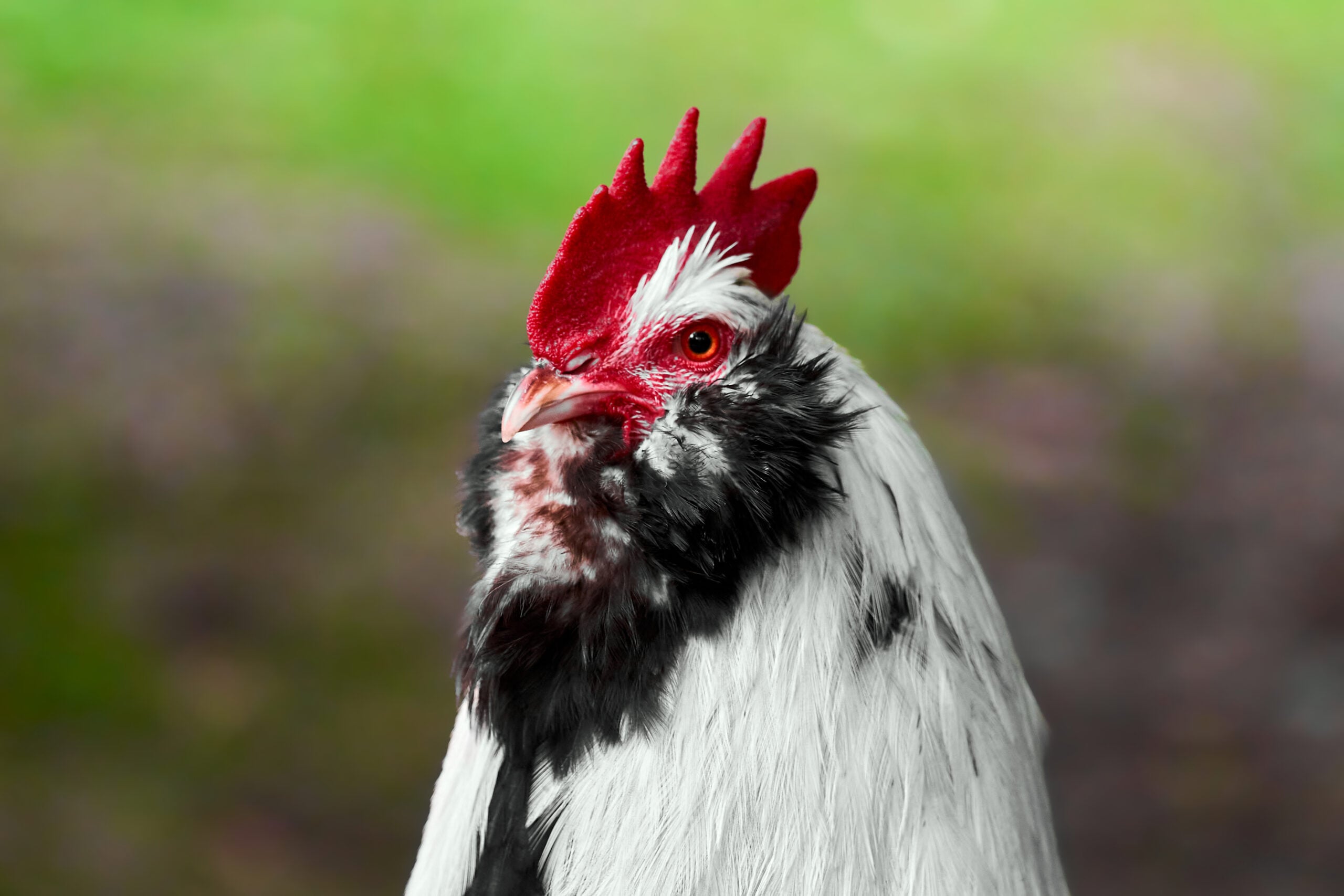 Photo Credit: A. Öztas / Wikimedia Commons
In the heart of rural landscapes, the Hamburg Chicken, scientifically known as Gallus gallus domesticus, struts with a flair that captures the eye and the imagination. With its striking plumage, often adorned in shimmering black and white patterns, this breed stands out among its feathered friends. The Hamburg Chicken is not just a pretty bird; it has a lively personality and a rich history that intrigues both scientists and nature lovers alike. Its origins trace back to the wild red junglefowl, and over centuries, it has evolved into a domesticated breed cherished for its beauty and productivity.
Imagine a sun-drenched morning where the Hamburg Chicken roams freely across a patch of grass, pecking at the ground in search of tasty morsels. Its graceful, upright posture and curious nature make it a delightful sight. As it scratches the earth, the chicken contributes to its ecosystem by aerating the soil and controlling insect populations. This playful bird is not just a source of eggs and meat; it plays a vital role in the environment, showcasing the interconnectedness of life. With each cluck and flutter, the Hamburg Chicken invites us to explore its world, revealing the fascinating dynamics of nature that keep our ecosystems thriving.
The Hamburg Chicken, a charming breed of domestic fowl, holds a special place in the tree of life. It belongs to the Kingdom Animalia, which includes all animals, and is classified under the Phylum Chordata, meaning it has a backbone. This breed is part of the Class Aves, which encompasses all birds, and it falls within the Order Galliformes, known for ground-feeding birds like chickens and turkeys. The Hamburg Chicken is particularly notable for its striking plumage and unique egg-laying capabilities, making it a favorite among poultry enthusiasts. Its classification reveals not just its biological relationships but also hints at its rich history of domestication and breeding.
| Taxonomic Rank | Scientific Name | Meaning & Significance |
|---|---|---|
| Kingdom | Animalia | This name signifies the broadest category of living organisms, encompassing all animals, including the Hamburg Chicken. |
| Phylum | Chordata | Derived from the Latin word “chorda,” meaning “string,” this term refers to animals with a notochord, a flexible rod that supports the body, which is a key feature in vertebrates. |
| Class | Aves | This term comes from the Latin word for “bird,” highlighting the Hamburg Chicken’s feathered nature and ability to lay eggs. |
| Order | Galliformes | From the Latin “gallus,” meaning “rooster,” this order includes birds that are typically ground-dwelling and known for their strong bodies and short wings. |
| Family | Phasianidae | This family name is derived from “phasianus,” the Latin word for pheasant, indicating a close relationship with other game birds. |
| Genus | Gallus | Meaning “rooster” in Latin, this genus includes all domestic chickens, emphasizing their domesticated lineage from wild ancestors. |
Understanding the Hamburg Chicken’s classification not only highlights its biological connections but also reveals its evolutionary journey. As a domesticated bird, it shares ancestry with wild species, showcasing how humans have shaped its development over generations. This journey from wild fowl to beloved farmyard companion illustrates the intricate relationship between nature and human influence, making the Hamburg Chicken a living testament to both evolution and agriculture.
The evolutionary journey of the Hamburg Chicken is a captivating tale that stretches back thousands of years. This breed, part of the Gallus genus, is a domesticated descendant of the wild red junglefowl, which roamed the forests of Southeast Asia. Over time, selective breeding and adaptation to various environments shaped the Hamburg Chicken into the delightful bird we know today.
The ancestors of the Hamburg Chicken were wild birds that thrived in tropical climates, showcasing vibrant plumage and agile flight. As humans began to domesticate these fowl, they selected for traits that suited agricultural life, such as docility and egg production. This marked a significant transition from wild to domesticated, as these birds adapted to living alongside humans. The Hamburg Chicken, specifically, was developed in the 19th century in Germany, where breeders focused on enhancing its unique appearance and productive capabilities.
These adaptations have played a crucial role in the survival and popularity of the Hamburg Chicken. Their ability to produce eggs consistently has made them a staple in poultry farming, while their friendly nature allows them to coexist harmoniously with humans. The vibrant feathering not only adds to their charm but also aids in their protection from predators. Overall, the evolutionary story of the Hamburg Chicken is a testament to how nature and human influence can intertwine to create a breed that is both functional and delightful.
The Hamburg Chicken is a striking bird that captures attention with its elegant form and lively demeanor. With a graceful, upright posture, this breed showcases a well-proportioned body that is both compact and robust. Its long neck and distinctive feather patterns create a visual spectacle, making it a favorite among poultry enthusiasts. The Hamburg Chicken’s overall appearance is not just about looks; it reflects a blend of functionality and beauty, designed for both foraging and display.
| Feature | Description |
|---|---|
| Size | Medium-sized, typically weighing between 4 to 6 pounds. |
| Color | Feathers can be black, white, or a mix of both, often with striking patterns. |
| Skin Type | Covered in soft, glossy feathers that provide insulation and protection. |
| Body Shape | Compact and well-rounded, with a broad breast and a slightly curved back. |
| Neck | Long and elegant, enhancing its graceful appearance. |
These physical features work together to create a bird that is not only visually appealing but also well-suited for its environment. The Hamburg Chicken’s feathers serve as insulation, keeping it warm in cooler weather while also providing a layer of protection from predators. Its medium size allows for agile movement, making it adept at foraging for food. The striking colors and patterns are not just for show; they can help the bird blend into its surroundings, offering a clever advantage against potential threats. In essence, the Hamburg Chicken is a beautiful example of how form and function can harmoniously coexist in the animal kingdom.
The Hamburg Chicken thrives in a variety of environments, primarily found in rural and semi-rural areas where it can roam freely. These birds enjoy open spaces with access to grass, dirt, and plenty of sunlight. They are often seen scratching the ground in search of insects and seeds, which are essential for their diet. The ideal habitat for Hamburg Chickens includes cozy coops or barns where they can roost safely at night, away from predators.
Hamburg Chickens prefer a temperate climate, which means they thrive in areas that experience mild summers and cool winters. They are not fond of extreme weather conditions, so a balanced environment is crucial for their well-being. These birds require access to fresh water and a diet rich in grains and greens to stay healthy. The right climate helps them maintain their energy levels and supports their natural behaviors, like foraging and socializing.
Over time, Hamburg Chickens have adapted beautifully to their habitats. Their feathers provide insulation, keeping them warm during cooler months, while their active nature helps them find food and stay fit. They are also social animals, often forming flocks that provide safety in numbers. This social structure not only helps them thrive but also allows them to communicate effectively, using a variety of clucks and calls to express their needs and emotions. These adaptations make the Hamburg Chicken a delightful addition to any farm or backyard.
The Hamburg Chicken leads a lively daily life filled with a variety of activities that keep it engaged and healthy. As dawn breaks, these birds awaken and begin their day with a hearty scratch at the ground, searching for seeds, insects, and other tasty morsels. They are active foragers, meaning they love to peck around and explore their surroundings. Throughout the day, you can find them basking in the sun, preening their feathers to keep them clean and shiny, and socializing with their flock. Their routine is not just about finding food; it also includes moments of rest and play, which are essential for their well-being.
Social behavior is a key aspect of the Hamburg Chicken’s life. These birds thrive in flocks, which provide them with safety and companionship. Within their groups, they establish a social hierarchy, often referred to as a pecking order. This means that some chickens are more dominant than others, influencing who gets to eat first or who gets the best spots to roost. Communication is vital in these social structures, and Hamburg Chickens use a variety of sounds, from clucks to squawks, to express their needs and feelings. They also engage in body language, such as fluffing their feathers or tilting their heads, to convey messages to one another.
| Behavior Type | Description |
|---|---|
| Foraging | Hamburg Chickens actively search for food by scratching the ground and pecking at seeds and insects. |
| Social Structure | They live in flocks with a pecking order that determines social interactions and access to resources. |
| Communication | These birds use a range of vocalizations and body language to communicate with each other. |
| Preening | They spend time cleaning their feathers, which helps maintain their health and insulation. |
| Resting | Hamburg Chickens take breaks throughout the day to conserve energy and socialize. |
The behaviors of the Hamburg Chicken are not just charming quirks; they play a crucial role in their survival. By foraging together, they can find food more efficiently, while their social structure helps protect them from predators. The communication methods they use ensure that all members of the flock are aware of potential dangers and can respond quickly. In essence, their daily activities and social interactions create a dynamic system that enhances their chances of thriving in their environment.
The Hamburg Chicken is an omnivore, which means it enjoys a varied diet that includes both plant and animal matter. These birds are not picky eaters; they will consume just about anything they can find. Their feeding behavior is quite active, as they scratch and peck at the ground to uncover seeds, insects, and other tasty morsels. This foraging strategy allows them to explore their environment and take advantage of the diverse food sources available in their habitat.
| Dietary Aspect | Details |
|---|---|
| Diet Type | Omnivore |
| Favorite Foods | Seeds, grains, insects, and small invertebrates |
| Prey Items | Insects, worms, and other small creatures |
| Hunting/Foraging Strategies | Scratching the ground and pecking to uncover food |
The diet of the Hamburg Chicken plays a crucial role in its ecology and daily routine. By consuming a wide range of foods, these birds help control insect populations and contribute to soil health through their foraging activities. Their active search for food keeps them engaged and healthy, allowing them to thrive in their environments. This adaptability not only supports their well-being but also enhances the ecosystem around them, making the Hamburg Chicken a valuable member of its community.
As the breeding season approaches, Hamburg Chickens engage in a delightful courtship ritual. Males, known as roosters, display their vibrant plumage and perform a series of dances to attract females, or hens. This lively behavior often includes crowing and puffing up their feathers to show off their strength and vitality. The breeding season typically peaks in the warmer months when food is abundant, allowing for the best conditions for raising young.
| Reproductive Aspect | Details |
|---|---|
| Gestation Period | 21 days |
| Litter Size | Average of 8-12 eggs |
| Age of Maturity | 5-6 months |
| Name of Young | Chicks |
Once the eggs are laid, the hen takes on the crucial role of incubating them. She will sit on the eggs, keeping them warm and turning them regularly to ensure even development. After about three weeks, the eggs hatch, revealing fluffy, yellow chicks. These little ones are precocial, meaning they are relatively mature and mobile shortly after hatching. The mother hen provides warmth, protection, and guidance as the chicks learn to forage and explore their surroundings. Over the next few months, the chicks grow rapidly, developing their feathers and learning essential survival skills. With attentive care from their mother, they soon transition into independent young adults, ready to join the lively world of Hamburg Chickens.
The Hamburg Chicken occupies a vital role in the food web, serving as both a prey and a contributor to the ecosystem. As a domesticated bird, it is primarily raised for its eggs and meat, but in the wild, it faces various threats from predators. These threats can significantly impact its population and survival, making it essential for the Hamburg Chicken to be aware of its surroundings and adapt to its environment.
To defend itself against these dangers, the Hamburg Chicken employs several survival strategies. These birds are known for their alertness and keen eyesight, which help them spot potential threats from a distance. When danger approaches, they often take to the cover of bushes or tall grass, using their natural camouflage to blend in with their surroundings. Additionally, they can make quick, agile movements to escape predators, and their social behavior allows them to alert one another to danger, enhancing their chances of survival in the wild.
A keystone species is an organism that plays a crucial role in maintaining the structure of its ecosystem. This means that its presence or absence can significantly impact the environment and other species living there. While the Hamburg Chicken is primarily a domesticated breed, it can still be considered a keystone species in certain agricultural settings. Its interactions with the environment and other organisms can help shape the ecosystem around it.
In a farm setting, Hamburg Chickens contribute to pest control by foraging for insects and larvae. This natural behavior helps keep pest populations in check, reducing the need for chemical pesticides. Additionally, their scratching and pecking habits aerate the soil, promoting healthy plant growth. As they dig through the ground, they also help break down organic matter, enriching the soil with nutrients that benefit crops and other plants.
Moreover, Hamburg Chickens are social animals that thrive in flocks. Their group behavior fosters a dynamic community where they communicate and interact with one another. This social structure can influence the behavior of other animals in the area, creating a balanced ecosystem. Their droppings also serve as fertilizer, providing essential nutrients to the soil and supporting plant life, which in turn supports other wildlife.
If Hamburg Chickens were to disappear from their ecosystems, the effects could be significant. Without their natural pest control, insect populations could explode, leading to crop damage and increased reliance on chemical pesticides. The soil might become compacted and less fertile without their aeration, negatively impacting plant growth. This decline in vegetation would ripple through the food web, affecting not only other animals but also the overall health of the ecosystem. In essence, the absence of Hamburg Chickens could lead to a less balanced and less productive environment.
The Hamburg Chicken occupies a fascinating ecological niche as an omnivorous bird that contributes significantly to its environment. By foraging for a variety of foods, including insects, seeds, and plants, these chickens help control pest populations while also promoting plant growth through seed dispersal. Their presence in rural and semi-rural areas creates a dynamic interaction with the ecosystem, influencing both the soil and the surrounding flora and fauna.
| Ecosystem Service | Impact |
|---|---|
| Pest Control | Reduces insect populations, benefiting crops and gardens. |
| Soil Aeration | Scratching the ground helps aerate the soil, improving its health. |
| Seed Dispersal | Helps in the growth of new plants by spreading seeds through droppings. |
| Nutrient Recycling | Contributes to soil fertility through manure, enriching the ground. |
The Hamburg Chicken’s influence can be seen in various ways. For instance, when these birds scratch the ground in search of food, they not only uncover insects but also aerate the soil, allowing water and nutrients to penetrate more deeply. This behavior promotes healthier plant growth, which in turn supports other wildlife. Additionally, as they consume seeds and fruits, they inadvertently help in the dispersal of these plants, allowing new growth in different areas. Their droppings serve as a natural fertilizer, enriching the soil and fostering a vibrant ecosystem.
The broader ecological importance of the Hamburg Chicken cannot be overstated. As a keystone species, their activities help maintain the balance of their environment. By controlling pests and enriching the soil, they support a diverse range of plants and animals. This interconnectedness highlights the vital role that even domesticated animals play in sustaining healthy ecosystems. The Hamburg Chicken is not just a source of food for humans; it is a crucial player in the intricate web of life that surrounds us.
In the intricate web of life, symbiosis plays a vital role in shaping the relationships between different species. Symbiosis refers to the close interactions between organisms, which can be beneficial, harmful, or neutral. These relationships can be classified into three main types: mutualism, where both species benefit; parasitism, where one species benefits at the expense of another; and commensalism, where one species benefits while the other is neither helped nor harmed. Understanding these connections helps us appreciate the balance of ecosystems and the roles that various species, like the Hamburg Chicken, play within them.
| Species/Type | Relationship Type | Description |
|---|---|---|
| Insects (e.g., beetles) | Mutualistic | Hamburg Chickens forage for insects, benefiting from a protein-rich diet while helping control insect populations. |
| Plants (e.g., grasses) | Commensal | Hamburg Chickens scratch the ground, which helps aerate the soil, benefiting plants without directly affecting the chickens. |
| Predators (e.g., foxes) | Parasitic | While not a direct relationship, Hamburg Chickens can fall prey to foxes, highlighting the risks they face in their environment. |
These relationships have evolved over time, shaped by the needs and behaviors of the species involved. The mutualistic bond between Hamburg Chickens and insects showcases how these birds contribute to their own well-being while also maintaining ecological balance. Similarly, their interactions with plants demonstrate how their activities can inadvertently support the growth of vegetation. On the other hand, the presence of predators like foxes serves as a reminder of the challenges that Hamburg Chickens face in the wild. Each of these relationships illustrates the dynamic interplay of life, where every species, including the Hamburg Chicken, plays a part in the grand story of nature.
The Hamburg Chicken is not just a pretty face in the poultry world; it has a rich history and some surprising traits that make it truly special. This breed, known for its striking appearance and lively personality, has captivated the hearts of many. Let’s explore some intriguing facts about these charming birds that will delight nature enthusiasts of all ages.
The Hamburg Chicken has a long and colorful history intertwined with humanity. Originating in the 18th century, this breed was developed in Europe, particularly in Germany, where it was prized for its striking appearance and egg-laying capabilities. The Hamburg Chicken quickly became a symbol of agricultural pride, representing the hard work and dedication of farmers. Its unique feather patterns and lively personality made it a favorite among poultry enthusiasts, and it soon spread to various parts of the world, influencing local cultures and cuisines. This bird is not just a source of food; it has also become a part of folklore and tradition, showcasing the deep bond between humans and domesticated animals.
Today, the relationship between Hamburg Chickens and people continues to evolve. Many farmers and backyard enthusiasts raise these birds for their beautiful eggs and friendly nature. However, challenges arise as urbanization and industrial farming practices threaten traditional poultry breeds. Conservation efforts are underway to protect the Hamburg Chicken and other heritage breeds, ensuring they remain a part of our agricultural landscape. Additionally, the domestication of these birds has led to conflicts over space and resources, as they compete with wild species for habitat. Yet, the joy of raising Hamburg Chickens often outweighs these challenges, as families bond over caring for their feathery friends.
As we look to the future, the relationship between Hamburg Chickens and humanity holds promise. With a growing interest in sustainable agriculture and local food sources, more people are recognizing the value of raising heritage breeds. This shift not only supports biodiversity but also fosters a deeper appreciation for the animals that share our lives. By nurturing this connection, we can ensure that the Hamburg Chicken continues to thrive, enriching our farms, kitchens, and communities for generations to come.
The Hamburg Chicken currently holds a conservation status of “Not Evaluated” by the International Union for Conservation of Nature (IUCN). However, it is important to note that the breed is recognized as threatened by the Livestock Conservancy. This means that while there is no formal assessment of its risk of extinction, the population is declining, and efforts are needed to ensure its survival. The exact number of Hamburg Chickens is not well-documented, but their status indicates a worrying trend that calls for attention.
| Conservation Factor | Status/Details |
|---|---|
| IUCN Status | Not Evaluated |
| Estimated Population Size | Threatened (exact numbers not specified) |
| Trend Direction | Declining |
One of the main threats to the Hamburg Chicken is the loss of genetic diversity, which can occur when breeding practices focus on a limited number of traits. This can lead to a decrease in the overall health and resilience of the breed. Additionally, as industrial farming practices dominate the poultry industry, traditional breeds like the Hamburg Chicken are often overlooked in favor of more commercially viable options. This shift not only threatens their population but also diminishes the rich variety of poultry that has been cultivated over centuries.
Conservation efforts are underway to help protect the Hamburg Chicken and other threatened breeds. Organizations like the Livestock Conservancy are working to raise awareness about the importance of preserving genetic diversity in livestock. By promoting responsible breeding practices and encouraging small-scale farming, they aim to create a sustainable future for these charming birds. With continued support and interest from poultry enthusiasts and farmers alike, there is hope that the Hamburg Chicken can thrive once more, enriching our agricultural heritage and biodiversity.
| Question | Answer |
|---|---|
| What is the habitat of Hamburg Chickens? | Hamburg Chickens are quite adaptable and can thrive in various environments. They are often found in backyards, farms, and free-range settings, where they have space to roam and forage. |
| What do Hamburg Chickens eat? | Hamburg Chickens are omnivores, meaning they eat both plants and animals. Their diet typically includes grains, seeds, insects, and even kitchen scraps, which helps them stay healthy and active. |
| What is the behavior of Hamburg Chickens? | These chickens are known for their friendly and curious nature. They are social birds that enjoy interacting with each other and their human caretakers, often displaying playful behaviors. |
| How do Hamburg Chickens reproduce? | Hamburg Chickens reproduce through mating, where the male fertilizes the eggs laid by the female. A hen can lay about 200 to 250 eggs per year, and she will incubate them for about 21 days until they hatch. |
| What threats do Hamburg Chickens face? | While Hamburg Chickens are not currently evaluated for conservation status, they can face threats from predators like raccoons, foxes, and birds of prey. Additionally, poor living conditions and disease can also pose risks to their health. |
| What are some interesting characteristics of Hamburg Chickens? | Hamburg Chickens are known for their striking plumage, which can come in various colors, including black, white, and silver. They are also excellent layers of medium-sized white eggs, making them popular among backyard chicken enthusiasts. |
| Are Hamburg Chickens good for beginners? | Yes, Hamburg Chickens are often recommended for beginners due to their friendly disposition and hardiness. They adapt well to different environments and are relatively easy to care for, making them a great choice for new chicken keepers. |