Taxonomy & Classification
- Kingdom
- Animalia
- Phylum
- Chordata
- Class
- Mammalia
- Order
- Primates
- Family
- Hominidae
- Genus
- Gorilla

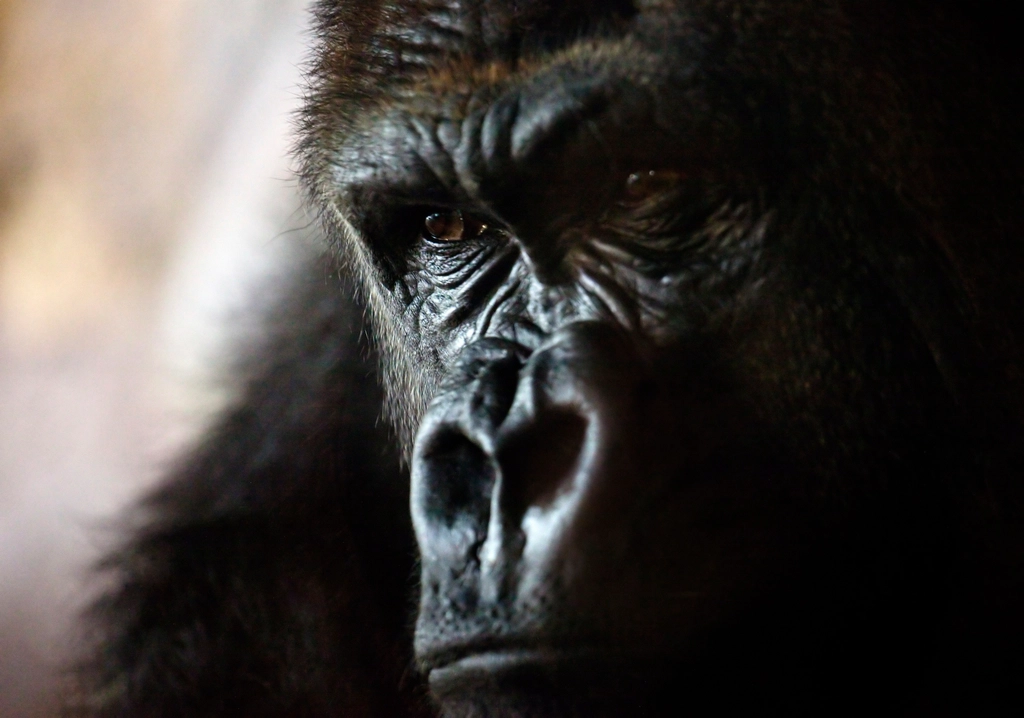 Photo Credit: Rawpixel
In the heart of Central Africa’s lush rainforests, the mighty Gorilla, scientifically known as Gorilla gorilla, roams with a presence that commands respect and admiration. Picture a towering figure, with broad shoulders and a powerful chest, moving gracefully through the dense underbrush. Its dark, shaggy fur glistens in the dappled sunlight that filters through the thick canopy above, while its expressive eyes reveal a depth of emotion and intelligence that captivates both scientists and nature lovers alike.
Gorillas are the largest primates on Earth, and their sheer size is matched only by their gentle nature. These magnificent creatures are primarily herbivores, munching on leaves, stems, and fruits, which play a crucial role in maintaining the health of their forest home. Their social structures are complex, often led by a dominant silverback male who protects and guides his family group. This fascinating blend of strength and tenderness makes gorillas a subject of endless curiosity, as researchers strive to understand their behaviors, communication, and the vital role they play in their ecosystems. As we delve deeper into the world of gorillas, we will explore their habitats, diets, and the challenges they face in a rapidly changing environment, revealing the intricate tapestry of life that surrounds these gentle giants.
Gorillas hold a special place in the tree of life, classified within the Kingdom Animalia, which includes all animals. They belong to the Phylum Chordata, meaning they have a backbone, and the Class Mammalia, indicating they are warm-blooded and nurse their young with milk. As members of the Order Primates, gorillas share a close evolutionary relationship with humans, chimpanzees, and orangutans. What sets gorillas apart is their impressive size and strength, combined with their gentle nature. These magnificent animals are not just the largest living primates; they also exhibit complex social behaviors and emotional depth, making them truly captivating.
| Taxonomic Rank | Scientific Name | Meaning & Significance |
|---|---|---|
| Kingdom | Animalia | This name comes from the Latin word for “animal,” highlighting that gorillas are part of the vast group of living organisms that are not plants or fungi. |
| Phylum | Chordata | Derived from the Greek word “chordē,” meaning “string,” this term refers to animals with a notochord, a flexible rod that supports the body, which gorillas possess during their development. |
| Class | Mammalia | This name comes from the Latin “mamma,” meaning “breast,” emphasizing that gorillas, like all mammals, have mammary glands to feed their young. |
| Order | Primates | From the Latin word “primus,” meaning “first,” this classification reflects the evolutionary significance of primates, which are often seen as the most advanced group of mammals. |
| Family | Hominidae | Known as the “great apes,” this name comes from the Latin “homo,” meaning “man,” indicating the close relationship between gorillas and humans. |
| Genus | Gorilla | This name is derived from the Greek word “gorillai,” which refers to a tribe of hairy women, highlighting the gorilla’s distinctive and impressive physical appearance. |
Understanding where gorillas fit in the taxonomic hierarchy reveals much about their evolutionary journey. As part of the Hominidae family, they share a common ancestor with humans, which dates back millions of years. This connection not only emphasizes their intelligence and social structures but also highlights the importance of conservation efforts. Protecting gorillas and their habitats is crucial, as they play a vital role in their ecosystems and remind us of our shared heritage in the animal kingdom.
The evolutionary journey of gorillas stretches back millions of years, weaving through a complex tapestry of change and adaptation. These magnificent primates belong to the family Hominidae, which includes humans, chimpanzees, and orangutans. The story of gorillas begins in the dense forests of Africa, where their ancestors roamed during the late Miocene epoch, around 10 to 15 million years ago. This period was marked by significant climatic shifts that influenced the habitats and lifestyles of many species, including the ancestors of modern gorillas.
The earliest ancestors of gorillas were small, tree-dwelling primates that thrived in the lush canopies of ancient forests. Over time, as the environment changed, some of these primates began to adapt to life on the ground. This transition was crucial, as it allowed them to exploit new food sources and avoid competition with other tree-dwelling species. The development of larger body sizes and more robust skeletal structures helped these early gorillas navigate their terrestrial habitats more effectively.
As they evolved, gorillas developed several key adaptations that set them apart from their relatives. Their strong arms and large hands became essential for climbing and foraging, while their powerful jaws and teeth allowed them to consume a varied diet of leaves, stems, and fruits. These adaptations not only supported their survival but also played a significant role in their social structures and behaviors.
These evolutionary adaptations have been vital for gorillas’ survival in the wild. Their size and strength provide protection against predators, while their social structures foster cooperation and support among group members. By being herbivorous, they can take advantage of the abundant plant life in their forest habitats, ensuring they have enough food to thrive. As they continue to adapt to their environment, gorillas remain a testament to the power of evolution and the intricate connections within the natural world.
Gorillas are truly awe-inspiring animals, embodying strength and grace in their physical form. With their massive bodies and powerful limbs, they command attention in the lush forests they call home. Adult males, known as silverbacks, can weigh between 100 to 200 kilograms, or 220 to 440 pounds, making them one of the largest primates on Earth. Their broad chests and muscular arms are designed for both strength and agility, allowing them to navigate their environment with surprising ease.
| Feature | Description |
|---|---|
| Size | Adult males can weigh between 100-200 kg (220-440 lbs) and stand about 1.5 to 1.8 meters (5 to 6 feet) tall when upright. |
| Color | Gorillas typically have dark brown to black fur, with silverback males developing a distinctive silver sheen on their backs as they mature. |
| Skin Type | Gorillas have hair-covered skin, which helps regulate body temperature and provides protection from the elements. |
| Facial Features | They possess strong jaws and large, expressive eyes that convey a range of emotions, from curiosity to playfulness. |
These physical features are not just for show; they play vital roles in the gorilla’s survival. Their impressive size and strength help them defend their groups against predators and rivals. The thick fur not only keeps them warm in cooler climates but also acts as a barrier against insects and harsh weather. The silverback’s striking appearance signals maturity and dominance, essential for maintaining social order within their troops. Together, these characteristics create a powerful and adaptable animal, perfectly suited to thrive in the dense jungles of Africa.
Gorillas thrive in the lush, vibrant rainforests and dense jungles of Central Africa. Picture towering trees draped in vines, with sunlight filtering through the thick canopy above. The air is rich with the sounds of chirping birds and rustling leaves, creating a symphony of life. These habitats are not just beautiful; they provide gorillas with the food and shelter they need to survive. The dense foliage offers a safe haven from predators, while the variety of plants serves as a buffet of delicious leaves, fruits, and stems.
Gorillas prefer warm, humid climates, typically found in areas where temperatures range from 70 to 90 degrees Fahrenheit. These rainforests receive abundant rainfall, often exceeding 100 inches a year, creating a lush environment that supports a diverse ecosystem. The humidity helps keep the gorillas’ skin hydrated, which is essential for their health. They thrive in areas with plenty of vegetation, as this is where they find their favorite foods, like leaves and fruits.
To adapt to their rainforest homes, gorillas have developed several clever strategies. Their strong limbs allow them to climb trees and navigate through thick underbrush with ease. They have a keen sense of smell, which helps them locate food even in dense vegetation. Additionally, their social structure, living in groups called troops, provides safety in numbers, allowing them to protect each other from potential threats. These adaptations make gorillas perfectly suited to their vibrant, yet challenging, jungle habitats.
Gorillas lead a daily life that is both structured and dynamic, filled with activities that reflect their natural instincts and social nature. As the sun rises, these gentle giants begin their day by foraging for food, which primarily consists of leaves, stems, and fruits. They spend several hours munching on their favorite snacks, using their strong jaws and teeth to break down tough plant material. After a hearty meal, gorillas often engage in grooming, a behavior that not only keeps their fur clean but also strengthens social bonds within the group. As the day unfolds, they may rest, play, or move to new feeding areas, showcasing their adaptability and intelligence.
Social behavior is a cornerstone of gorilla life, as they live in groups known as troops. These troops are typically led by a dominant male, often called a silverback due to the distinctive silver hair that develops on his back as he matures. The silverback plays a crucial role in maintaining peace and order within the group, protecting the females and young from potential threats. Gorillas communicate through a variety of vocalizations, gestures, and facial expressions, allowing them to express emotions and coordinate activities. This social structure fosters cooperation and support, essential for the survival of the troop.
| Behavior Type | Description |
|---|---|
| Foraging | Gorillas spend a significant part of their day searching for and eating leaves, fruits, and stems, which provide essential nutrients. |
| Grooming | This activity helps maintain hygiene and strengthens social bonds among troop members, promoting a sense of community. |
| Troop Structure | Gorillas live in family groups led by a dominant silverback, who ensures the safety and stability of the troop. |
| Communication | They use a range of sounds, gestures, and facial expressions to convey messages, from warning calls to playful interactions. |
The behaviors of gorillas are not just fascinating; they are vital for their survival in the wild. By foraging effectively, they ensure they have enough food to thrive. Grooming fosters strong relationships, which are crucial for group cohesion and protection against predators. The social structure led by a silverback provides stability and security, while their communication skills help them navigate the complexities of group life. Together, these behaviors create a harmonious existence that allows gorillas to flourish in their lush, forested homes.
Gorillas are primarily herbivores, meaning they mainly eat plant-based foods, but they are classified as omnivores because they can also consume small amounts of animal matter. Their diet is rich in leaves, fruits, and flowers, which they find in their lush forest habitats. Gorillas are skilled foragers, using their strong hands and impressive strength to reach high branches and pull down tasty treats. They spend a significant part of their day searching for food, often moving through their territory to find the freshest and most nutritious options.
| Dietary Aspect | Details |
|---|---|
| Diet Type | Omnivore |
| Favorite Foods | Leaves, fruits, and flowers |
| Prey Items | Occasional small insects |
| Hunting/Foraging Strategies | Foraging through trees and bushes, using strength to access food |
This diverse diet plays a crucial role in shaping the gorilla’s ecology and daily routine. By consuming a variety of plant materials, gorillas help maintain the health of their forest environment, promoting plant growth and seed dispersal. Their foraging habits also dictate their movements throughout the day, as they travel in search of food, which fosters social interactions within their groups. In this way, gorillas not only sustain themselves but also contribute to the vibrant ecosystems they inhabit.
Gorillas have a fascinating mating behavior that is deeply rooted in their social structure. Typically, these magnificent primates mate throughout the year, but they may show increased activity during certain seasons. Males, known as silverbacks, play a crucial role in attracting females. They display their strength and dominance through vocalizations, chest-beating, and other impressive behaviors. This courtship ritual helps establish bonds and ensures the continuation of their lineage.
| Reproductive Aspect | Details |
|---|---|
| Gestation Period | Approximately 8.5 months |
| Litter Size | 1 |
| Age of Maturity | 4 to 6 years |
| Name of Young | Infant |
Once a baby gorilla, called an infant, is born, the journey of growth and development begins. The mother provides exceptional care, nurturing her young with warmth and protection. Infants cling to their mothers for safety and comfort, learning essential skills through observation and interaction. As they grow, young gorillas become more independent, exploring their surroundings while still relying on their mothers for guidance. This close-knit relationship fosters strong social bonds, preparing them for life in the complex world of gorilla society. Over time, these infants mature into adults, ready to take their place in the troop and continue the cycle of life.
Gorillas occupy a vital position in the food web of their rainforest habitat. As large herbivores, they primarily feed on leaves, stems, and fruits, which helps maintain the balance of plant life in their ecosystem. While they are not typically preyed upon by many animals, they still face threats from various predators and human activities that can disrupt their existence.
To defend themselves against these dangers, gorillas rely on their impressive size and strength. Adult males, known as silverbacks, can weigh up to 400 pounds and are formidable protectors of their group. When threatened, they may display aggressive behaviors, such as chest-beating and loud vocalizations, to intimidate potential predators. Additionally, gorillas often stay in groups, which provides safety in numbers. By working together, they can keep a watchful eye for danger and protect their young, ensuring their survival in a world filled with challenges.
A keystone species is an organism that plays a crucial role in maintaining the structure of its ecosystem. This means that its presence and activities significantly influence the environment and the other species living there. Gorillas qualify as a keystone species due to their impact on the rainforest ecosystems of Central Africa. Their behaviors and dietary habits help shape the environment in ways that benefit many other organisms.
Gorillas primarily feed on a variety of plant materials, including leaves, stems, and fruits. By consuming these plants, they help control vegetation growth, which in turn allows sunlight to reach the forest floor. This process encourages the growth of smaller plants and trees, creating a diverse habitat for countless other species. Additionally, as gorillas move through the forest, they inadvertently disperse seeds through their droppings. This seed dispersal is vital for the regeneration of many plant species, ensuring that the forest remains healthy and vibrant.
Moreover, gorillas are social animals that live in groups, known as troops. Their social interactions and movements can create pathways through dense vegetation, making it easier for other animals to navigate the forest. This not only benefits smaller mammals and birds but also helps maintain the overall biodiversity of the ecosystem. The presence of gorillas can even influence the behavior of other species, as their size and strength can deter potential threats.
If gorillas were to disappear from their ecosystem, the consequences would be profound. Without these gentle giants, plant growth could become unregulated, leading to overgrowth that might choke out smaller species. The loss of seed dispersal would hinder the regeneration of many plants, potentially causing a decline in forest diversity. This, in turn, would affect countless other animals that rely on the forest for food and shelter. The intricate web of life in the rainforest would unravel, demonstrating just how vital gorillas are to their environment.
Gorillas play a vital role in shaping their ecosystems, particularly in the lush rainforests and dense jungles of Central Africa. As large herbivores, they occupy a unique ecological niche, primarily feeding on a variety of plant materials. This diet not only sustains them but also influences the growth and health of the vegetation around them. By consuming leaves, stems, and fruits, gorillas help to control plant populations, ensuring that no single species dominates the landscape. Their presence is essential for maintaining the balance of their habitat, making them a keystone species.
| Ecosystem Service | Impact |
|---|---|
| Seed Dispersal | Gorillas eat fruits and then excrete the seeds, helping new plants to grow in different areas. |
| Vegetation Control | By feeding on certain plants, gorillas prevent overgrowth and promote biodiversity. |
| Soil Enrichment | Their waste adds nutrients to the soil, enhancing the growth of various plant species. |
| Habitat Creation | Gorillas create clearings in the forest, which can benefit other species by providing sunlight and space. |
Gorillas influence their environment in several specific ways. For instance, when they consume fruits, they not only satisfy their hunger but also play a crucial role in seed dispersal. The seeds pass through their digestive systems and are deposited in new locations, where they can germinate and grow into new plants. This process helps maintain the diversity of plant life in the rainforest. Additionally, by munching on certain types of vegetation, gorillas help control which plants thrive, preventing any one species from taking over and allowing a variety of plants to flourish.
The broader ecological importance of gorillas cannot be overstated. As keystone species, their activities support the entire ecosystem, influencing everything from plant diversity to the health of the soil. By maintaining the balance of their habitat, gorillas indirectly support countless other species, including insects, birds, and smaller mammals that rely on the same environment. Protecting gorillas and their habitats is essential not only for their survival but also for the health of the entire rainforest ecosystem. In this way, these magnificent primates are not just inhabitants of their environment; they are vital architects of it.
In the intricate web of life, gorillas engage in various partnerships with other species, showcasing the beauty of symbiosis. Symbiosis refers to the close interactions between different species, which can be beneficial, harmful, or neutral. These relationships are essential for the health of ecosystems, as they help maintain balance and promote biodiversity. Gorillas, as large herbivores, interact with their environment and other species in ways that highlight the interconnectedness of life in the rainforest.
| Species/Type | Relationship Type | Description |
|---|---|---|
| Birds (e.g., oxpeckers) | Mutualistic | Oxpeckers perch on gorillas to eat ticks and parasites from their skin, providing the gorillas with relief from pests while the birds get a meal. |
| Fungi | Commensal | Fungi grow on decaying plant matter in gorilla habitats, breaking it down and enriching the soil, benefiting the ecosystem without directly affecting gorillas. |
| Insects (e.g., ants) | Parasitic | Some ants may bite or irritate gorillas, feeding on their skin or hair, which can be harmful to the gorillas. |
These relationships have evolved over time, shaped by the needs and behaviors of the species involved. Mutualistic partnerships, like that of gorillas and oxpeckers, enhance the survival of both parties, while commensal relationships contribute to the overall health of the ecosystem. Parasitic interactions, although harmful, also play a role in natural selection, pushing gorillas to adapt and thrive despite challenges. Understanding these connections helps us appreciate the delicate balance of life in the rainforest and the vital roles that each species plays in their shared environment.
Gorillas are not just the gentle giants of the jungle; they are full of surprises that reveal their intelligence and adaptability. Here are some intriguing facts that showcase the wonders of these incredible primates.
Throughout history, gorillas have captivated human imagination and culture. Early encounters with these majestic primates often sparked a mix of fear and fascination. In many African cultures, gorillas are seen as symbols of strength and wisdom, appearing in folklore and art. These powerful beings have inspired stories and legends, highlighting the deep connection between humans and the natural world. As explorers ventured into the dense jungles of Africa, they brought tales of gorillas back to the Western world, further embedding these animals into our cultural consciousness.
Today, the relationship between gorillas and humans is complex and multifaceted. On one hand, conservation efforts are underway to protect these endangered animals and their habitats from deforestation and poaching. Organizations work tirelessly to educate communities about the importance of gorillas in maintaining ecological balance. However, conflicts also arise, particularly when human activities encroach on gorilla territories. Encounters can lead to misunderstandings and even violence, as both species vie for resources. While gorillas are not domesticated animals, some researchers study their behavior in captivity to better understand their needs and social structures.
As we look to the future, the relationship between gorillas and humanity holds both promise and challenges. With continued efforts in conservation and education, there is hope for a more harmonious coexistence. By understanding and respecting these incredible animals, we can ensure that gorillas thrive in their natural habitats while enriching our own lives. The journey ahead will require collaboration, compassion, and a commitment to preserving the wonders of the natural world for generations to come.
Gorillas are currently classified as Near Threatened, a status that reflects the challenges they face in the wild. Their populations are under pressure, with estimates suggesting that there are between 100,000 and 200,000 individuals remaining. While some populations show signs of stability, others are declining, highlighting the urgent need for conservation efforts to protect these magnificent primates.
| Conservation Factor | Status/Details |
|---|---|
| IUCN Status | Near Threatened |
| Population Estimates | 100,000 to 200,000 individuals |
| Trend Direction | Varies by population; some stable, others declining |
The main threats to gorillas stem from human activities. Habitat loss due to deforestation, agriculture, and urban development is a significant concern. Additionally, poaching and illegal wildlife trade pose serious risks, as gorillas are hunted for bushmeat or captured for the exotic pet trade. Diseases, particularly those transmitted from humans, also threaten their survival, making it crucial to address these issues to ensure their future.
Conservation efforts are underway to protect gorillas and their habitats. Organizations are working to establish protected areas, promote sustainable land use, and raise awareness about the importance of gorillas in their ecosystems. Community-based initiatives are also vital, as they engage local populations in conservation efforts. With continued dedication and support, there is hope for a brighter future for these incredible primates, allowing them to thrive in the wild for generations to come.
| Question | Answer |
|---|---|
| What is the natural habitat of gorillas? | Gorillas primarily live in rainforests and dense jungles. These lush environments provide them with plenty of food and shelter, allowing them to thrive in their natural surroundings. |
| What do gorillas eat? | Gorillas are omnivores, which means they eat both plants and animals. Their diet mainly consists of leaves, stems, fruit, and occasionally small insects, making them important for the ecosystem as they help disperse seeds. |
| How do gorillas behave in the wild? | Gorillas are social animals that live in groups called troops, usually led by a dominant male known as a silverback. They communicate through vocalizations, body language, and facial expressions, showing a range of emotions from joy to aggression. |
| How do gorillas reproduce? | Gorillas typically reach sexual maturity around 10 to 12 years of age. After a gestation period of about 8.5 months, a female usually gives birth to a single infant, which she cares for closely, teaching it essential survival skills. |
| What are the main threats to gorillas? | Gorillas face several threats, including habitat loss due to deforestation and poaching. Additionally, diseases like Ebola can significantly impact their populations, making conservation efforts crucial for their survival. |
| What are some interesting characteristics of gorillas? | Gorillas are known for their impressive strength and intelligence. They can use tools, such as sticks to measure water depth, and they have complex social structures, showcasing their ability to form strong bonds within their troops. |
| How do gorillas communicate with each other? | Gorillas communicate using a variety of sounds, gestures, and facial expressions. They can grunt, roar, or even laugh, and their body language plays a significant role in conveying their feelings and intentions to others in the troop. |