Taxonomy & Classification
- Kingdom
- Animalia
- Phylum
- Chordata
- Class
- Reptilia
- Order
- Squamata
- Family
- Pythonidae
- Genus
- Morelia
- Species
- Morelia spilota

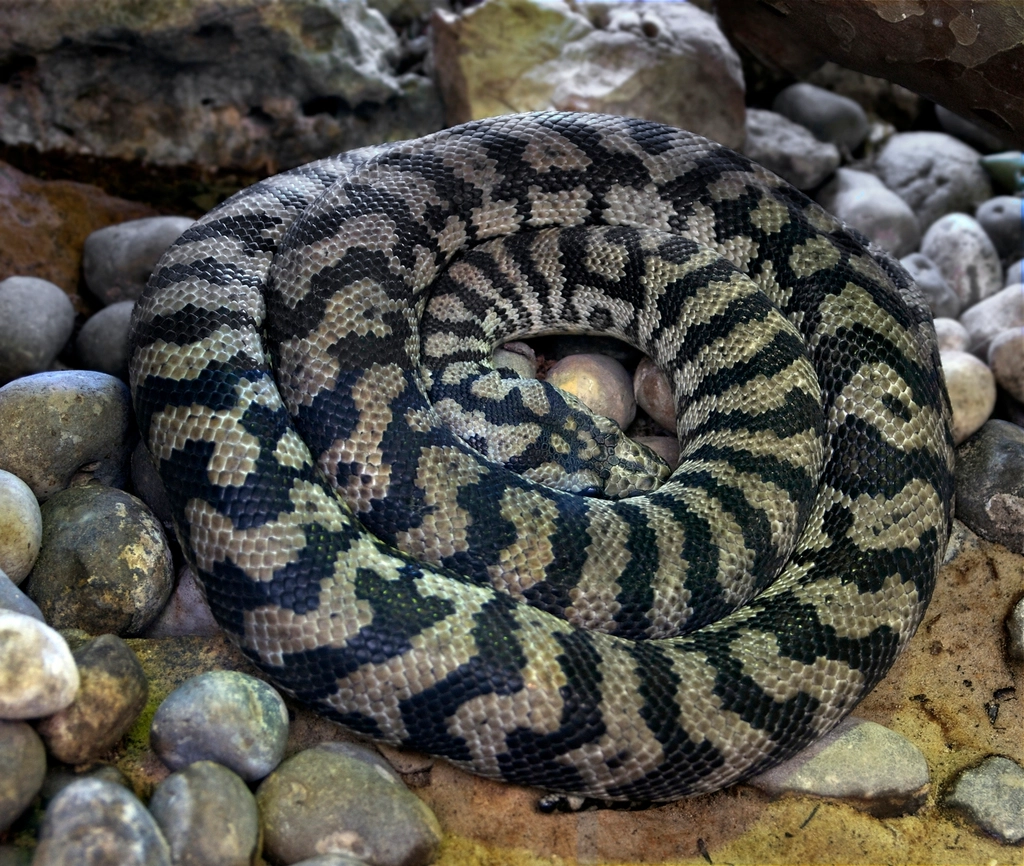 Photo Credit: Rawpixel
In the lush, verdant landscapes of Australia, the Carpet Python, or Morelia spilota, glides silently through the trees, its striking patterns blending seamlessly with the dappled sunlight filtering through the leaves. This magnificent snake, with its long, muscular body that can stretch between 6 to 10 feet, is a master of camouflage. Its scales shimmer in hues of gold, black, and brown, creating a mesmerizing tapestry that captivates both scientists and nature lovers alike. The Carpet Python’s ability to adapt to various habitats—from dense rainforests to arid woodlands—showcases its resilience and versatility, making it a fascinating subject of study.
As a nocturnal hunter, the Carpet Python comes alive under the cover of darkness, using its keen senses to navigate the world around it. With a diet that includes birds and small mammals, this snake plays a crucial role in maintaining the balance of its ecosystem. Its stealthy approach and powerful constriction techniques make it an effective predator, while its presence in the food web highlights its importance in the natural world. Whether coiled on a branch or slithering through the underbrush, the Carpet Python embodies the wonders of adaptation and survival, inviting us to explore the intricate connections that define life in the wild.
The Carpet Python, scientifically known as Morelia spilota, occupies a fascinating position in the tree of life. This snake belongs to the kingdom Animalia, which includes all animals, and is part of the phylum Chordata, meaning it has a backbone. As a member of the class Reptilia, it shares traits with other reptiles, such as being cold-blooded and having scaly skin. What sets Carpet Pythons apart is their striking coloration and patterns, which help them blend into their surroundings, making them skilled ambush predators. Their adaptability to various habitats, from rainforests to arid regions, showcases their evolutionary success.
| Taxonomic Rank | Scientific Name | Meaning & Significance |
|---|---|---|
| Kingdom | Animalia | This name signifies that Carpet Pythons are part of the vast group of multicellular organisms known as animals. |
| Phylum | Chordata | Chordata means “having a notochord,” which is a flexible rod that supports the body, a feature present in all vertebrates. |
| Class | Reptilia | Reptilia refers to reptiles, a class characterized by their scaly skin and ability to lay eggs on land. |
| Order | Squamata | Squamata means “scaly,” highlighting the distinctive scales that cover the skin of snakes and lizards. |
| Family | Pythonidae | This family name comes from the Greek word “python,” which refers to large, non-venomous snakes known for constricting their prey. |
| Genus | Morelia | Morelia is derived from the Latin word for “mole,” reflecting the burrowing habits of some species in this genus. |
| Species | spilota | Spilota comes from the Greek word for “spotted,” which describes the beautiful patterns found on the Carpet Python’s skin. |
Understanding the taxonomic classification of the Carpet Python reveals much about its evolutionary journey. As a member of the Pythonidae family, it shares a common ancestor with other pythons, which evolved unique adaptations for survival. The Carpet Python’s ability to thrive in diverse environments speaks to its resilience and versatility, traits that have been honed over millions of years. This classification not only highlights its biological connections but also emphasizes the intricate web of life that connects all living beings on our planet.
The evolutionary journey of the Carpet Python, or Morelia spilota, stretches back millions of years, intertwining with the history of snakes themselves. These serpents belong to the family Pythonidae, which emerged during the late Cretaceous period, around 100 million years ago. As the world transformed through dramatic climate changes and shifting landmasses, the ancestors of Carpet Pythons adapted to diverse environments, leading to the fascinating species we see today.
The Carpet Python’s lineage can be traced to ancient reptiles that roamed the Earth long before the age of dinosaurs. Early snakes were likely small and burrowing, but as they evolved, they developed various adaptations that allowed them to thrive in different habitats. One significant transition was the shift from a terrestrial lifestyle to an arboreal one, meaning they became skilled at climbing trees. This adaptation opened up new hunting opportunities and provided safety from ground predators. Over time, Carpet Pythons also developed a remarkable ability to camouflage themselves among the foliage, blending seamlessly into their surroundings to ambush prey.
These evolutionary adaptations have been crucial for the Carpet Python’s survival. The ability to sense heat helps them locate prey in low-light conditions, while their constriction technique ensures they can capture and consume larger animals. Their beautiful patterns not only serve as effective camouflage but also attract mates, ensuring the continuation of their lineage. Together, these traits have allowed Carpet Pythons to thrive in a variety of environments, from rainforests to arid regions, showcasing the incredible power of evolution in shaping life on Earth.
The Carpet Python is a stunning sight to behold, with a body that exudes both grace and power. Its long, muscular form can reach impressive lengths, often stretching between 6 to 10 feet. This snake is not just long; it is also robust, with a thick body that allows it to constrict its prey effectively. The Carpet Python’s skin is covered in smooth, shiny scales that glisten in the light, creating a mesmerizing pattern that resembles a beautiful tapestry. This intricate design not only captivates the eye but also serves a purpose in the wild.
| Feature | Description |
|---|---|
| Size | Typically 6 to 10 feet long |
| Color | Varies from yellow to black, often with intricate patterns |
| Skin Type | Covered in smooth, shiny scales |
| Body Structure | Long and muscular, allowing for powerful constriction |
The Carpet Python’s striking coloration and scale patterns are not just for show; they play a crucial role in its survival. The dark and light hues help it blend into its surroundings, providing excellent camouflage among the branches and foliage of its forest habitat. This stealthy appearance allows the Carpet Python to ambush unsuspecting prey, such as small mammals and birds. Its robust body and powerful muscles enable it to strike quickly and constrict its catch, ensuring a successful meal. Together, these features make the Carpet Python a master of its environment, perfectly adapted to thrive in the wild.
The Carpet Python thrives in a variety of habitats that paint a vivid picture of its adaptability. Imagine lush rainforests, where the air is thick with humidity and the sounds of wildlife fill the atmosphere. Picture open woodlands, where sunlight filters through the leaves, creating a patchwork of light and shadow on the forest floor. These snakes are also found in rocky outcrops and even suburban areas, showcasing their ability to blend into diverse environments.
Carpet Pythons prefer warm climates, typically found in areas where temperatures range from mild to hot. They thrive in environments with plenty of cover, such as trees and shrubs, which provide both shelter and hunting grounds. The humidity levels in their habitats are often high, especially in rainforests, which helps keep their skin moist and supports their overall health. These conditions are essential for their survival, as they rely on the warmth of their surroundings to regulate their body temperature.
Over time, Carpet Pythons have developed remarkable adaptations that allow them to excel in their chosen habitats. Their excellent climbing skills enable them to navigate trees with ease, where they can hunt birds and small mammals. Their coloration, often a mix of browns, yellows, and blacks, helps them blend seamlessly into the dappled light of the forest, making them effective ambush predators. This camouflage, combined with their ability to thrive in both wild and urban settings, showcases their resilience and versatility in the face of changing environments.
The daily life of a Carpet Python is a blend of stealth and patience. As a primarily nocturnal hunter, this snake comes alive at night, slithering through its habitat in search of food. During the day, it often finds a cozy spot to rest, coiled around a branch or nestled in the foliage, where it can stay hidden from both predators and the heat of the sun. When dusk falls, the Carpet Python begins its search for prey, using its keen sense of smell and heat-sensing pits to locate warm-blooded animals like rodents and birds. This methodical approach to hunting showcases its adaptability and skill as a predator.
Socially, Carpet Pythons are mostly solitary creatures. They prefer to live alone, which allows them to maintain their territory and avoid competition for food. However, during the mating season, these snakes become more social, seeking out potential partners. Males may engage in a fascinating ritual of combat, where they wrestle each other to establish dominance and attract females. This brief period of social interaction is crucial for reproduction, but once the mating season is over, they return to their solitary ways, each snake reclaiming its own space in the wild.
| Behavior Type | Description |
|---|---|
| Hunting | Nocturnal activity focused on stalking and ambushing prey using keen senses. |
| Resting | Daytime behavior involving hiding in trees or foliage to avoid predators and conserve energy. |
| Social Interaction | Solitary most of the time, but engages in combat rituals during mating season to attract mates. |
| Communication | Primarily non-verbal; relies on body language and scent marking to establish territory. |
The behaviors of the Carpet Python are finely tuned to ensure its survival in the wild. By being a solitary hunter, it minimizes competition and maximizes its chances of catching prey. Its ability to remain hidden during the day protects it from predators, while its social interactions during mating season allow for the continuation of its species. Each aspect of its daily life is a testament to the balance of nature, where every action contributes to the ongoing story of life in the wild.
The Carpet Python has a diverse diet that primarily consists of birds and small mammals. This snake is an opportunistic feeder, meaning it will take advantage of whatever prey is available in its environment. With its keen sense of smell and excellent climbing abilities, the Carpet Python is well-equipped to hunt in trees and on the ground. It often waits patiently for its prey to come close before striking with precision, using its powerful body to constrict and subdue its meal.
| Dietary Aspect | Details |
|---|---|
| Diet Type | Carnivorous |
| Favorite Foods | Birds and small mammals |
| Prey Items | Rodents, possums, and various bird species |
| Hunting Strategies | Ambush predator; uses stealth and patience to strike |
The diet of the Carpet Python plays a crucial role in its ecological niche. By preying on birds and small mammals, it helps control their populations, contributing to the balance of its ecosystem. This hunting behavior also influences the snake’s daily routine, as it must be active during the night to find food while avoiding potential predators. The Carpet Python’s adaptability in diet and hunting strategies showcases its important role in the natural world, making it a vital part of its habitat.
As the breeding season approaches, Carpet Pythons engage in a captivating courtship ritual. Males will often compete for the attention of females, using their keen sense of smell to detect pheromones, which are chemical signals that indicate a female is ready to mate. This season typically occurs during the warmer months, when temperatures rise and food is plentiful. After a successful mating, the female will prepare to lay her eggs, a crucial step in the continuation of her species.
| Reproductive Aspect | Details |
|---|---|
| Gestation Period | Approximately 60 to 70 days |
| Litter Size | Up to 18 eggs |
| Age of Maturity | About 2 to 3 years |
| Name of Young | Hatchlings, neonates |
After the eggs are laid, the female Carpet Python takes on the role of protector. She coils around her eggs, providing warmth and shielding them from potential threats. This behavior is quite special, as it showcases her dedication to her young. Once the hatchlings emerge, they are fully independent and ready to face the world. These tiny snakes, known as neonates, are miniature versions of their parents, equipped with the skills they need to survive. As they grow, they will shed their skin multiple times, a process that allows them to grow and develop into the magnificent adults they are destined to become.
The Carpet Python plays a vital role in its ecosystem, sitting comfortably in the middle of the food web. As a predator, it helps control populations of small mammals and birds, ensuring a balance in its environment. However, this beautiful snake is not without its challenges. It faces various threats that can impact its survival, from natural predators to human activities.
To defend itself against these dangers, the Carpet Python has developed several clever survival strategies. When threatened, it can remain motionless, blending into its surroundings thanks to its striking patterns. This camouflage helps it avoid detection by both predators and curious onlookers. Additionally, if cornered, the Carpet Python can strike with impressive speed, using its powerful muscles to defend itself. By staying alert and using its natural instincts, this snake continues to thrive in the wild despite the challenges it faces.
A keystone species is a vital part of its ecosystem, meaning its presence and activities have a significant impact on the environment and other living things. The Carpet Python, or Morelia spilota, qualifies as a keystone species due to its role as a predator in various habitats, including rainforests and woodlands. By regulating the populations of its prey, this snake helps maintain the balance of its ecosystem, making it an essential player in the natural world.
The ecological impact of the Carpet Python is profound. As a predator, it primarily feeds on birds and small mammals, which helps control their populations. For instance, when Carpet Pythons hunt, they prevent certain species from becoming too numerous, which can lead to overgrazing or depletion of vegetation. This balance is crucial for the health of the ecosystem, as it allows various plant species to thrive, supporting a diverse range of other animals.
Moreover, the Carpet Python’s presence influences the behavior of its prey. Small mammals and birds often alter their foraging habits and nesting sites to avoid predation. This change can lead to a more diverse array of plant life, as different species of plants may flourish when certain animals are kept in check. The Carpet Python, therefore, indirectly supports the growth of various flora, which in turn provides habitat and food for other creatures.
If the Carpet Python were to disappear from its ecosystem, the consequences could be severe. Without this snake to keep prey populations in check, small mammals and birds could multiply unchecked, leading to overgrazing and a decline in plant diversity. This shift would ripple through the food web, affecting not only the plants but also the animals that rely on them for shelter and food. Ultimately, the loss of the Carpet Python would disrupt the delicate balance of its ecosystem, highlighting just how crucial this snake is to the health of its environment.
The Carpet Python, or Morelia spilota, plays a crucial role in its ecosystem, acting as both predator and prey. This snake is often found in diverse habitats, from rainforests to woodlands, where it helps maintain the balance of various animal populations. By controlling the numbers of small mammals and birds, the Carpet Python ensures that no single species dominates the environment, allowing for a rich tapestry of life to flourish.
| Ecosystem Service | Impact |
|---|---|
| Population Control | Regulates the numbers of small mammals and birds, preventing overpopulation. |
| Prey for Larger Predators | Serves as a food source for larger animals, contributing to the food web. |
| Habitat Structure | Utilizes trees and shrubs for hunting, influencing plant growth and structure. |
| Nutrient Cycling | Through its waste, it returns nutrients to the soil, supporting plant life. |
The Carpet Python’s influence can be seen in various ways. For instance, by preying on rodents, it helps keep their populations in check, which in turn protects crops and reduces the spread of disease. Additionally, when Carpet Pythons are consumed by larger predators, such as eagles or large mammals, they provide essential nutrients that support these species. Their presence in the trees also encourages the growth of certain plants, as they create spaces for sunlight to reach the forest floor, promoting biodiversity.
The broader ecological importance of the Carpet Python cannot be overstated. As a keystone species, its activities ripple through the ecosystem, affecting many other organisms. By maintaining balance among various species, the Carpet Python helps ensure a healthy environment where plants and animals can thrive together. This interconnectedness highlights the delicate web of life in which every creature, no matter how small, plays a vital role.
In the intricate web of life, symbiosis refers to the close and often long-term interactions between different species. These relationships can take many forms, including mutualism, where both species benefit, parasitism, where one benefits at the expense of the other, and commensalism, where one benefits while the other is neither helped nor harmed. The Carpet Python, known scientifically as Morelia spilota, engages in various ecological relationships that highlight the complexity of its interactions with other species in its environment.
| Species/Type | Relationship Type | Description |
|---|---|---|
| Birds (e.g., tree-dwelling species) | Commensalism | Birds may nest in trees where Carpet Pythons reside, benefiting from the snake’s presence as a deterrent to larger predators without affecting the python. |
| Small mammals (e.g., rodents) | Predatory | Carpet Pythons prey on small mammals, which are essential for their diet, showcasing a predator-prey relationship. |
| Parasites (e.g., ticks) | Parasitism | Ticks and other parasites may attach to Carpet Pythons, feeding on their blood, which can harm the snake while benefiting the parasites. |
These relationships have evolved over time, shaped by the needs and survival strategies of the species involved. The Carpet Python’s role as both predator and host creates a dynamic balance in its ecosystem. By preying on small mammals, it helps regulate their populations, while its interactions with birds and parasites illustrate the diverse ways life forms can coexist. Understanding these connections not only enriches our knowledge of the Carpet Python but also highlights the importance of preserving the delicate balance of nature.
The Carpet Python is a captivating snake that showcases the wonders of adaptation and survival in the wild. With its striking patterns and impressive hunting skills, this species has many surprising traits that will intrigue nature lovers of all ages.
The Carpet Python, known scientifically as Morelia spilota, has woven itself into the fabric of human culture and history for centuries. Indigenous peoples of Australia have long regarded this snake with a mix of reverence and fear. In various Aboriginal myths, the Carpet Python is often seen as a powerful spirit, symbolizing strength and wisdom. These stories highlight the deep connection between the snake and the land, illustrating how humans have historically viewed this reptile not just as a creature of the wild, but as a significant part of their cultural identity.
Today, the relationship between Carpet Pythons and humans is multifaceted. While many people admire these snakes for their beauty and ecological role, conflicts can arise, especially in urban areas where their natural habitats overlap with human development. Some homeowners may view them as pests, leading to calls for removal. However, conservation efforts are underway to educate the public about the importance of Carpet Pythons in controlling rodent populations and maintaining ecological balance. Additionally, some enthusiasts keep Carpet Pythons as pets, fostering a deeper appreciation for their unique behaviors and characteristics.
Looking ahead, the future of the relationship between Carpet Pythons and humanity will likely depend on education and coexistence. As urban areas expand, fostering a sense of respect and understanding for these snakes will be crucial. By recognizing their role in the ecosystem and appreciating their cultural significance, we can work towards a harmonious relationship that benefits both humans and Carpet Pythons alike. With continued efforts in conservation and awareness, there is hope for a future where these magnificent snakes are celebrated rather than feared.
The Carpet Python, or Morelia spilota, currently holds a conservation status of “Least Concern” according to the International Union for Conservation of Nature (IUCN). This means that, for now, the species is not facing an immediate threat of extinction. With an estimated population size of over 100,000 individuals, Carpet Pythons are relatively stable in their natural habitats. However, while their numbers are currently healthy, ongoing monitoring is essential to ensure that they remain secure in the wild.
| Conservation Factor | Status/Details |
|---|---|
| IUCN Status | Least Concern |
| Estimated Population Size | Over 100,000 |
| Population Trend | Stable |
The main threats to Carpet Pythons include habitat loss and degradation, primarily due to human activities such as deforestation and urban development. As forests are cleared for agriculture or housing, these snakes lose their natural homes, which can lead to a decline in their populations. Additionally, illegal wildlife trade poses a risk, as some people capture these beautiful snakes for the pet trade or for their skins. Such pressures can disrupt their populations and the delicate balance of their ecosystems.
Conservation efforts are underway to protect the Carpet Python and its habitats. Organizations and local communities are working together to promote sustainable land use practices that help preserve the forests where these snakes thrive. Education programs are also being implemented to raise awareness about the importance of Carpet Pythons in their ecosystems. With continued efforts and a commitment to conservation, the outlook for the Carpet Python remains positive, ensuring that future generations can appreciate this stunning species in the wild.
| Question | Answer |
|---|---|
| What is the habitat of the Carpet Python? | Carpet Pythons are found in a variety of habitats, including rainforests, woodlands, and even urban areas. They are native to Australia and New Guinea, where they often seek shelter in trees or rocky crevices. |
| What do Carpet Pythons eat? | These snakes are carnivorous, meaning they eat meat. Their diet mainly consists of small mammals, birds, and sometimes reptiles, which they catch using their excellent climbing skills and stealth. |
| How do Carpet Pythons behave? | Carpet Pythons are mostly nocturnal, meaning they are active at night. They are known for their calm demeanor, but they can be defensive if threatened, using their powerful bodies to constrict prey or defend themselves. |
| How do Carpet Pythons reproduce? | Carpet Pythons are oviparous, which means they lay eggs. A female can lay between 20 to 50 eggs, and she will incubate them by coiling around them to keep them warm until they hatch. |
| What threats do Carpet Pythons face? | These snakes face threats from habitat destruction due to urban development and agriculture. Additionally, they can be hunted for their beautiful skins, which are highly valued in the fashion industry. |
| What are some interesting characteristics of Carpet Pythons? | Carpet Pythons are known for their stunning patterns and colors, which can vary widely depending on their location. They are also excellent climbers and can often be found resting on branches, showcasing their adaptability to different environments. |
| How long do Carpet Pythons live? | In the wild, Carpet Pythons can live up to 15 years, but in captivity, they may live even longer, sometimes reaching 20 years or more. Their longevity is often due to the controlled environment and absence of predators. |