Taxonomy & Classification
- Kingdom
- Animalia
- Phylum
- Chordata
- Class
- Amphibia
- Order
- Anura
- Family
- Pipidae
- Genus
- Xenopus
- Species
- Xenopus laevis

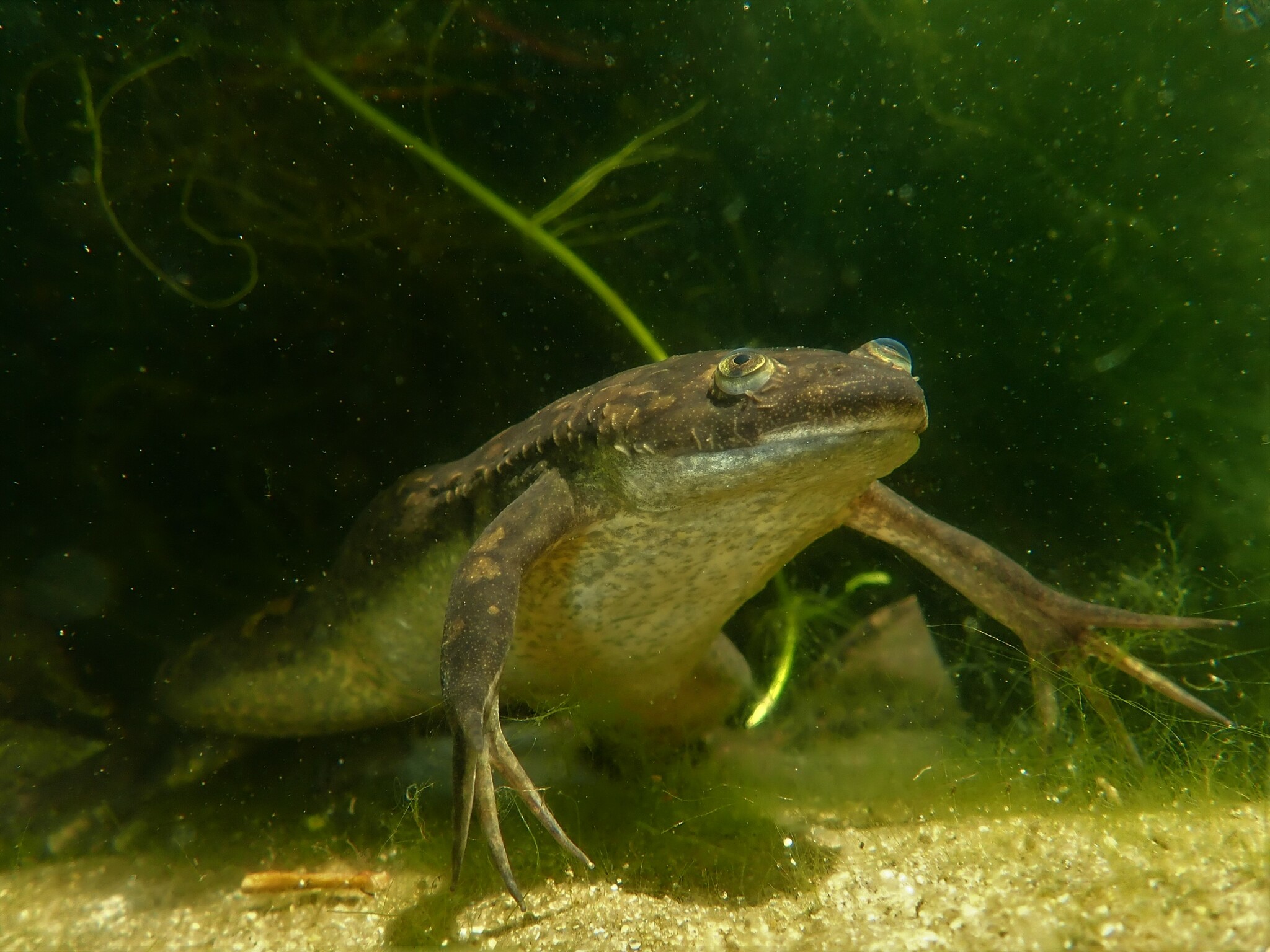 Photo Credit: Lodewicus de Honsvels / Wikimedia Commons
In the heart of Africa, where the sun glimmers on still waters, lives the African Clawed Frog, known scientifically as Xenopus laevis. This remarkable amphibian is a master of its environment, often found lounging in warm, stagnant ponds surrounded by lush grasslands. With its smooth, streamlined body and distinctive claws, it glides effortlessly through the water, making it a captivating sight for anyone lucky enough to catch a glimpse. Its unique adaptations, such as the ability to breathe through its skin and its nocturnal lifestyle, have made it a subject of fascination for scientists and nature enthusiasts alike.
Imagine a serene pond, where the air is filled with the sounds of chirping insects and the gentle rustle of leaves. Here, the African Clawed Frog thrives, spending its days resting in the cool depths and emerging at night to hunt for small fish and insects. Its keen senses and agile movements allow it to be both predator and prey in this vibrant ecosystem. As we explore the life of Xenopus laevis, we will uncover the secrets of its behavior, diet, and the vital role it plays in maintaining the balance of its watery home. Join us on this adventure into the world of the African Clawed Frog, where every splash and croak tells a story of survival and adaptation.
The African Clawed Frog, scientifically known as Xenopus laevis, occupies a distinctive position in the animal kingdom. It belongs to the class Amphibia, which includes all frogs, toads, and salamanders. What sets this species apart is its unique adaptations, such as its clawed toes, which help it navigate through water with ease. This frog is not just a common amphibian; it has also played a significant role in scientific research, particularly in developmental biology and genetics. Its ability to regenerate tissues and its transparent embryos make it a valuable model organism for scientists around the world.
| Taxonomic Rank | Scientific Name | Meaning & Significance |
|---|---|---|
| Kingdom | Animalia | This name signifies that the African Clawed Frog is part of the vast group of multicellular organisms that are primarily heterotrophic, meaning they obtain their food by consuming other organisms. |
| Phylum | Chordata | Chordata refers to animals that have a notochord, a flexible rod that supports the body. In frogs, this structure is present during their early development. |
| Class | Amphibia | Amphibia means “double life,” highlighting the frog’s ability to live both in water and on land during different life stages. |
| Order | Anura | Anura translates to “without a tail,” which is a defining characteristic of adult frogs, including the African Clawed Frog. |
| Family | Pipidae | Pipidae is derived from the Latin word for “frog,” and this family includes frogs that are primarily aquatic and have flattened bodies, like the African Clawed Frog. |
| Genus | Xenopus | Xenopus means “strange foot,” referring to the frog’s unique webbed feet that aid in swimming and its claw-like structures. |
| Species | laevis | Laevis means “smooth,” which describes the frog’s skin texture, distinguishing it from other species with rougher skin. |
Understanding the African Clawed Frog’s classification reveals much about its evolutionary journey. As a member of the Pipidae family, it shares common ancestry with other aquatic frogs, showcasing adaptations that have allowed it to thrive in diverse environments. Its unique features, such as the clawed toes and smooth skin, reflect millions of years of evolution, enabling it to survive and flourish in its native habitats across Africa. This classification not only highlights its biological traits but also underscores the interconnectedness of life on Earth, reminding us of the intricate web of relationships that define the animal kingdom.
The African Clawed Frog, or Xenopus laevis, has a captivating evolutionary history that stretches back millions of years. This amphibian is part of the Pipidae family, which is known for its unique adaptations and aquatic lifestyle. The story of the African Clawed Frog begins in the early Cretaceous period, around 145 million years ago, when the ancestors of modern frogs started to diverge from other amphibians. Over time, these early amphibians evolved into various forms, leading to the diverse species we see today.
The ancestors of the African Clawed Frog were likely more terrestrial, spending time on land as well as in water. As they adapted to their environments, some species began to thrive in aquatic habitats. This transition marked a significant evolutionary shift, as these frogs developed features that made them excellent swimmers. One of the most notable changes was the development of webbed feet, which allowed them to paddle through water with ease. Additionally, their bodies became more streamlined, reducing drag as they moved through their watery homes.
These evolutionary adaptations have played a crucial role in the survival of the African Clawed Frog. By becoming expert swimmers with specialized reproductive strategies, they have successfully navigated the challenges of their aquatic environments. Their ability to adapt their diet and utilize their skin for respiration further enhances their resilience, allowing them to thrive in diverse habitats across Africa. This remarkable journey through time showcases the incredible ways life can adapt and flourish in the face of changing environments.
The African Clawed Frog is a captivating amphibian that draws attention with its unusual body structure and striking features. Its body is smooth and streamlined, allowing it to glide effortlessly through water. With a rounded shape and a flat head, this frog has a somewhat whimsical appearance. Its most distinctive characteristic is its front toes, which are equipped with sharp claws. These claws are not just for show; they help the frog dig and forage in its aquatic environment.
| Feature | Description |
|---|---|
| Size | Typically weighs between 25-220 grams (1-8 ounces) and can grow up to 12 centimeters (about 4.7 inches) in length. |
| Color | Usually a greenish or brownish hue, which helps it blend into its surroundings. |
| Skin Type | Smooth and moist, typical of amphibians, allowing for effective respiration through the skin. |
| Distinctive Feature | Clawed front toes that aid in digging and foraging for food. |
The combination of its size, color, and specialized claws makes the African Clawed Frog a master of its environment. Its smooth skin not only aids in breathing but also helps it stay hydrated, which is crucial for survival in both aquatic and semi-aquatic habitats. The ability to dig and forage effectively allows it to find food and shelter, ensuring its place in the ecosystem. Together, these features create a well-adapted amphibian that thrives in the diverse landscapes of Africa.
The African Clawed Frog thrives in warm, stagnant waters, often surrounded by lush grasslands. Picture a serene pond or a slow-moving stream, where the sun filters through the leaves, creating a dappled light on the water’s surface. These frogs prefer areas where the water is calm, allowing them to hide among the reeds and grasses. This habitat not only provides them with food but also offers protection from predators.
The climate in these regions is typically warm, which is essential for the African Clawed Frog’s survival. They thrive in temperatures that are comfortable for them, usually between 20 to 30 degrees Celsius (68 to 86 degrees Fahrenheit). The water they inhabit is often shallow and rich in organic material, providing a perfect environment for their food sources, like insects and small aquatic creatures. These frogs are also quite adaptable, able to tolerate varying levels of salinity and pollution in their habitats.
To survive in these specific environments, the African Clawed Frog has developed several fascinating adaptations. Their strong, webbed feet make them excellent swimmers, allowing them to navigate through dense vegetation with ease. They also have a unique ability to breathe through their skin, which helps them absorb oxygen directly from the water. This adaptation is particularly useful in stagnant waters where oxygen levels can fluctuate. By blending into their surroundings and utilizing their specialized features, these frogs have become well-suited to their warm, watery homes.
The African Clawed Frog leads a life that is both intriguing and adaptable, primarily active during the night. As a nocturnal creature, it spends its days resting in the cool, murky waters of ponds or streams, emerging under the cover of darkness to hunt and explore. With its keen sense of touch and excellent swimming abilities, this amphibian searches for food, which mainly consists of insects and small invertebrates. The night is when it truly comes alive, using its agile limbs to navigate through its aquatic environment, showcasing its remarkable ability to thrive in the shadows.
While the African Clawed Frog is generally solitary, it does exhibit some interesting social behaviors during mating season. Males will call out to attract females, using a series of croaks and clicks that echo through the water. This vocal communication is crucial for finding a mate, as it helps establish territory and signal readiness to breed. Outside of this period, these frogs prefer to keep to themselves, relying on their stealth and camouflage to avoid predators and hunt for food.
| Behavior Type | Description |
|---|---|
| Activity Patterns | Nocturnal foraging for food, primarily at night, while resting during the day. |
| Social Structure | Generally solitary, with social interactions mainly occurring during mating season. |
| Communication Methods | Vocalizations such as croaks and clicks used by males to attract females and establish territory. |
The behaviors of the African Clawed Frog are finely tuned to ensure its survival in the wild. By being active at night, it avoids many daytime predators and can hunt more effectively in the dark. Its solitary nature allows it to minimize competition for food, while its vocal calls during mating season ensure that it can reproduce successfully. This combination of strategies helps the African Clawed Frog thrive in its natural habitat, showcasing the delicate balance of life in the animal kingdom.
The African Clawed Frog is a dedicated carnivore, meaning it primarily eats meat. This amphibian has a voracious appetite for a variety of small creatures, including fish, insects, and even worms. With its keen sense of sight and quick reflexes, the African Clawed Frog is an adept hunter, using its long, webbed toes to propel itself through the water in search of food. When it spots a potential meal, it can quickly snap its jaws shut, capturing its prey with impressive speed.
| Dietary Aspect | Details |
|---|---|
| Diet Type | Carnivore |
| Favorite Foods | Small fish, water bugs, insects, spiders, worms |
| Prey Items | Small aquatic animals and invertebrates |
| Hunting/Foraging Strategies | Uses keen eyesight and quick movements to catch prey |
This diet plays a crucial role in the African Clawed Frog’s ecology and daily routine. By feeding on a variety of small animals, it helps control their populations, contributing to the balance of its aquatic ecosystem. Additionally, its nocturnal lifestyle allows it to hunt when many of its prey are active, ensuring it has a steady supply of food. This adaptability not only supports its survival but also highlights the interconnectedness of life in its watery habitat.
When it comes to reproduction, the African Clawed Frog has some interesting behaviors. Mating typically occurs during the rainy season, which provides the perfect conditions for their eggs to thrive. Males attract females by producing a series of croaks and calls, creating a symphony of sounds that echo through their watery homes. Once a female is ready to mate, she will lay her eggs in the water, where the male fertilizes them. This process is not just a quick encounter; it can involve a dance of sorts, with the male clinging to the female’s back as she releases her eggs.
| Reproductive Aspect | Details |
|---|---|
| Gestation Period | About 2-3 weeks |
| Litter Size | Up to 1,000 eggs |
| Age of Maturity | 10-12 months |
| Name of Young | Tadpole |
After the eggs are fertilized, they develop into tadpoles, which are the young frogs. These tadpoles hatch after a couple of weeks and begin their lives as small, aquatic creatures. They are equipped with gills for breathing underwater and a tail for swimming. As they grow, they undergo a fascinating transformation called metamorphosis. During this time, they develop legs, lose their tails, and their gills are replaced by lungs, allowing them to breathe air. Interestingly, the African Clawed Frog does not provide parental care after the eggs are laid, so the tadpoles must fend for themselves as they grow into adults. This journey from tadpole to frog is a remarkable adventure, showcasing the resilience and adaptability of these amphibians in their natural habitat.
The African Clawed Frog plays a vital role in its ecosystem, acting as both predator and prey. Positioned in the food web, it helps control populations of insects and small fish while also serving as a meal for larger animals. This delicate balance is crucial for maintaining the health of its aquatic habitat.
To defend itself against these threats, the African Clawed Frog has developed several survival strategies. When faced with danger, it can quickly dive underwater, using its strong legs to propel itself away from predators. Additionally, its ability to remain still and blend into its surroundings helps it avoid detection. However, the biggest challenge it faces is not just from predators but also from environmental issues like water pollution, which can severely impact its population and habitat. By adapting to its surroundings and being aware of its enemies, this amphibian continues to thrive in its watery world.
A keystone species is an organism that has a disproportionately large impact on its environment relative to its abundance. This means that if it were removed, the ecosystem would change dramatically. The African Clawed Frog, or Xenopus laevis, qualifies as a keystone species due to its significant role in controlling populations of other organisms and maintaining the balance of its aquatic habitat.
In its warm, stagnant water habitat, the African Clawed Frog plays a crucial role in the food web. As a carnivore, it primarily feeds on small fish, insects, and worms. By preying on these species, it helps regulate their populations, preventing any one group from becoming too dominant. For example, if the frog’s population were to decline, the number of insects could explode, leading to overgrazing of aquatic plants and a decline in water quality. This ripple effect can disrupt the entire ecosystem, affecting not just the frogs but also other species that rely on the same habitat.
Moreover, the African Clawed Frog serves as a food source for larger predators, such as birds and snakes. This connection highlights its role in the ecosystem as both a predator and prey. By supporting these larger animals, the frog contributes to the biodiversity of its environment. Additionally, its presence can indicate the health of the ecosystem. A thriving population of African Clawed Frogs often signals a balanced and healthy aquatic environment.
If the African Clawed Frog were to disappear, the consequences would be significant. The balance of its ecosystem would be disrupted, leading to potential overpopulation of insects and a decline in plant life. This could result in poorer water quality and a less diverse habitat, ultimately affecting all species that depend on that environment. The loss of this amphibian would not only impact its immediate surroundings but could also have far-reaching effects on the entire ecosystem, demonstrating just how vital this small creature is to the health of its world.
The African Clawed Frog, known scientifically as Xenopus laevis, plays a vital role in its ecosystem, particularly in warm, stagnant waters like ponds and slow-moving streams. This amphibian thrives in environments rich with grasslands, where it contributes to the balance of life. As a nocturnal creature, it is most active at night, hunting for food and interacting with its surroundings. Its presence helps shape the aquatic community, influencing both the plant and animal life around it.
| Ecosystem Service | Impact |
|---|---|
| Predation | Controls populations of insects and small fish, maintaining balance in the food web. |
| Prey for larger animals | Serves as a food source for birds, snakes, and other predators, supporting biodiversity. |
| Nutrient cycling | Contributes to the breakdown of organic matter, enriching the water and supporting plant growth. |
| Habitat structure | Creates microhabitats in the water, which can benefit other aquatic organisms. |
The African Clawed Frog’s diet consists mainly of small creatures, including insects and fish, which it captures with its agile movements. By preying on these animals, it helps regulate their populations, preventing any one species from overwhelming the ecosystem. Additionally, as it consumes organic matter, it aids in nutrient cycling, breaking down materials that enrich the water. This process supports the growth of aquatic plants, which in turn provide oxygen and habitat for other organisms.
The ecological importance of the African Clawed Frog extends beyond its immediate environment. As a keystone species, its presence is crucial for maintaining the health of its ecosystem. If this frog were to disappear, the balance of life in its habitat could shift dramatically, leading to overpopulation of certain species and a decline in others. By understanding the role of the African Clawed Frog, we gain insight into the intricate web of life that sustains our planet, reminding us of the interconnectedness of all living things.
In the intricate web of life, symbiosis refers to the close and often long-term interactions between different species. These relationships can take many forms, including mutualism, where both species benefit, parasitism, where one benefits at the expense of the other, and commensalism, where one benefits while the other is neither helped nor harmed. The African Clawed Frog, known scientifically as Xenopus laevis, engages in various ecological relationships that highlight the complexity of its environment and the interconnectedness of life.
| Species/Type | Relationship Type | Description |
|---|---|---|
| Water Plants | Mutualistic | The African Clawed Frog benefits from the shelter and breeding grounds provided by aquatic plants, while the frog’s presence helps to aerate the water, promoting plant health. |
| Parasites (e.g., flatworms) | Parasitic | Some flatworms can attach to the skin of the African Clawed Frog, feeding on its blood and nutrients, which can weaken the frog over time. |
| Small Fish | Commensal | Small fish may seek refuge near the African Clawed Frog, benefiting from its presence without affecting the frog, as it goes about its activities. |
The evolution of these relationships is a testament to nature’s adaptability and resilience. Over time, the African Clawed Frog has developed these partnerships to enhance its survival and reproductive success. Mutualistic relationships, like those with water plants, create a thriving habitat that benefits both parties. Meanwhile, parasitic interactions remind us of the challenges faced in the wild, where balance is key. Understanding these connections not only enriches our knowledge of the African Clawed Frog but also highlights the importance of preserving the delicate ecosystems they inhabit.
The African Clawed Frog, known scientifically as Xenopus laevis, is a captivating amphibian that holds many surprises. From its unique adaptations to its role in scientific research, this frog is more than just a common pond dweller.
The African Clawed Frog, or Xenopus laevis, has a long and intriguing history with humanity that dates back centuries. Indigenous cultures in Africa have revered this amphibian for its unique characteristics and adaptability. In some regions, these frogs have been associated with fertility and rebirth, often appearing in folklore and traditional stories. Their distinctive claws, which help them navigate their watery habitats, have also sparked curiosity and admiration among people. As a result, the African Clawed Frog has woven itself into the cultural fabric of various communities, symbolizing resilience and the interconnectedness of life.
Today, the relationship between the African Clawed Frog and humans is multifaceted, encompassing both conservation efforts and challenges. As urbanization and habitat destruction threaten their natural environments, conservationists are working tirelessly to protect these frogs and their ecosystems. However, the African Clawed Frog has also become a subject of conflict, particularly in areas where it has been introduced outside its native range. In some cases, these frogs have disrupted local ecosystems, leading to competition with native species. Additionally, they are used in scientific research, particularly in studies related to developmental biology and genetics, showcasing their importance in advancing human knowledge.
As we look to the future, the relationship between the African Clawed Frog and humanity will likely continue to evolve. With ongoing efforts in conservation and education, there is hope for a more harmonious coexistence. By understanding the ecological roles these frogs play and addressing the challenges they face, we can ensure that both the African Clawed Frog and human communities thrive together. The journey ahead will require collaboration and respect for the natural world, reminding us that every species, no matter how small, has a vital role in the tapestry of life.
The African Clawed Frog, or Xenopus laevis, currently holds a conservation status of “Least Concern” according to the International Union for Conservation of Nature (IUCN). This means that, at present, the species is not facing an immediate threat of extinction. In fact, its population is considered abundant, indicating that there are plenty of these frogs hopping around in their natural habitats. However, while the overall numbers are stable, it is essential to keep an eye on their populations to ensure they remain healthy and thriving.
| Conservation Factor | Status/Details |
|---|---|
| IUCN Status | Least Concern |
| Estimated Population Size | Abundant |
| Population Trend | Stable |
Despite their current stable status, African Clawed Frogs face several threats that could impact their future. Habitat destruction is a significant concern, as wetlands and ponds are often drained for agriculture or urban development. Additionally, pollution from chemicals and waste can harm their delicate ecosystems. The introduction of invasive species can also disrupt their natural habitats, leading to competition for food and space. These factors highlight the importance of monitoring their environments to ensure these frogs continue to thrive.
Conservation efforts are underway to protect the African Clawed Frog and its habitats. Organizations are working to preserve wetlands and promote sustainable land use practices that benefit both wildlife and local communities. Education and awareness campaigns are also crucial, helping people understand the importance of these frogs in their ecosystems. With continued efforts, the outlook for the African Clawed Frog remains positive, allowing future generations to enjoy the wonders of this remarkable amphibian.
| Question | Answer |
|---|---|
| What is the natural habitat of the African Clawed Frog? | The African Clawed Frog thrives in warm, stagnant waters, often found in ponds and marshes. These frogs prefer areas with plenty of vegetation, which provides shelter and places to hunt for food. |
| What do African Clawed Frogs eat? | As carnivores, African Clawed Frogs primarily feed on small invertebrates, such as insects and worms. They use their keen eyesight to spot prey and their quick reflexes to catch it with their powerful tongues. |
| How do African Clawed Frogs behave in the wild? | These frogs are known for their curious and active nature. They often spend time swimming and exploring their environment, using their strong legs to propel themselves through the water. |
| How do African Clawed Frogs reproduce? | During the breeding season, female African Clawed Frogs lay hundreds of eggs in water. The eggs hatch into tadpoles, which eventually develop into adult frogs, completing their life cycle. |
| What threats do African Clawed Frogs face? | While currently listed as Least Concern, African Clawed Frogs can be affected by habitat loss and pollution. Changes in their environment can impact their populations, making conservation efforts important. |
| What is a unique characteristic of the African Clawed Frog? | One of the most distinctive features of the African Clawed Frog is its clawed front toes. These claws help the frogs dig and navigate through their aquatic habitats, making them quite unique among amphibians. |
| Can African Clawed Frogs be kept as pets? | Yes, African Clawed Frogs are popular in the pet trade due to their interesting behavior and ease of care. However, they require a suitable aquatic environment and a diet rich in protein to thrive in captivity. |