Taxonomy & Classification
- Kingdom
- Animalia
- Phylum
- Chordata
- Class
- Aves
- Order
- Passeriformes
- Family
- Tyrannidae
- Genus
- Tyrannus
- Species
- Tyrannus tyrannus

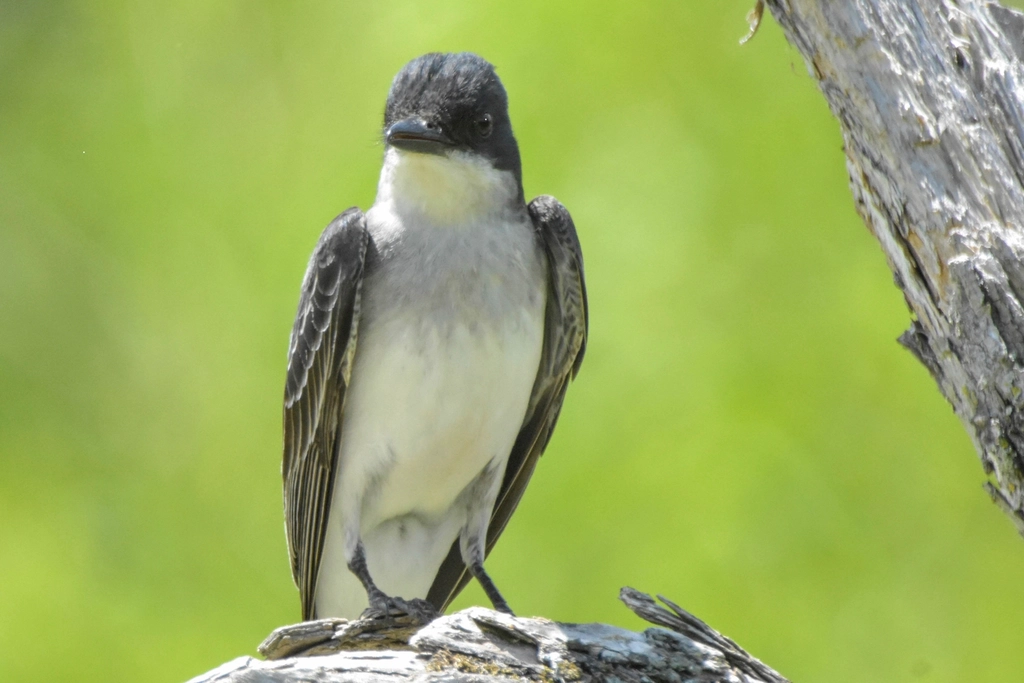 Photo Credit: Rawpixel
In the sun-drenched fields and open woodlands of North America, the Eastern Kingbird, known scientifically as Tyrannus tyrannus, flits gracefully through the air. With its striking black head and sleek grey body, this small bird captures the eye of anyone lucky enough to spot it. Its white underparts gleam in the sunlight, creating a stunning contrast that makes it stand out against the vibrant greens and browns of its habitat. The Eastern Kingbird is not just a pretty face; it is a master of aerial acrobatics, often seen diving and swooping to catch insects mid-flight. This remarkable skill has made it a favorite among birdwatchers and nature enthusiasts alike.
Scientists are captivated by the Eastern Kingbird for more than just its beauty. This bird plays a vital role in its ecosystem, helping to control insect populations while also serving as prey for larger birds. Its lively behavior and social interactions add to its charm, making it a fascinating subject for study. As spring arrives, the Eastern Kingbird engages in elaborate courtship displays, showcasing its agility and strength to attract a mate. With each flutter and dive, it tells a story of survival, adaptation, and the intricate dance of life in the wild. Join us as we explore the world of the Eastern Kingbird, uncovering the secrets of its life cycle, diet, and the important role it plays in the natural world.
The Eastern Kingbird holds a special place in the tree of life, showcasing the intricate connections among living beings. This bird belongs to the kingdom Animalia, which includes all animals, and is classified under the phylum Chordata, meaning it has a backbone. As a member of the class Aves, it shares traits with all birds, such as feathers and the ability to lay eggs. What sets the Eastern Kingbird apart is its belonging to the family Tyrannidae, known for their aggressive behavior and aerial prowess. This bird is not just a pretty face; it plays a vital role in its ecosystem by controlling insect populations and is a true marvel of avian adaptation.
| Taxonomic Rank | Scientific Name | Meaning & Significance |
|---|---|---|
| Kingdom | Animalia | This name comes from the Latin word “animalis,” meaning “having breath,” highlighting the living nature of all animals. |
| Phylum | Chordata | Derived from the Greek word “chordē,” meaning “string,” referring to the notochord, a flexible rod that supports the body in all vertebrates. |
| Class | Aves | This term comes from the Latin word for “bird,” emphasizing the defining characteristics of this class, such as feathers and beaks. |
| Order | Passeriformes | From the Latin “passer,” meaning “sparrow,” this order includes perching birds, known for their ability to grasp branches with their feet. |
| Family | Tyrannidae | This name means “tyrant,” reflecting the aggressive nature of these birds, which often chase away larger birds from their territory. |
| Genus | Tyrannus | Also derived from the Latin word for “tyrant,” this genus includes birds known for their bold behavior and striking presence. |
The classification of the Eastern Kingbird reveals much about its evolutionary journey. As a member of the Tyrannidae family, it shares a lineage with other bold and dynamic birds, showcasing adaptations that have allowed them to thrive in various environments. This lineage highlights the evolutionary pressures that shaped their behaviors and physical traits, such as their aerial agility and territorial instincts. Understanding where the Eastern Kingbird fits in the grand tapestry of life not only deepens our appreciation for this bird but also illuminates the complex relationships that bind all living organisms together.
The Eastern Kingbird, a striking bird known for its bold black and white plumage, has a rich evolutionary history that stretches back millions of years. This journey begins in the late Cretaceous period, around 70 million years ago, when the ancestors of modern birds began to emerge from theropod dinosaurs. Over time, these early avian forms evolved into a diverse array of species, including the Eastern Kingbird, which belongs to the family Tyrannidae, a group of birds known for their agile flight and insect-catching prowess.
The ancestors of the Eastern Kingbird were likely small, insectivorous birds that thrived in lush, forested environments. As the climate changed and habitats transformed, these birds adapted to new challenges. One major transition occurred as they developed stronger wings and improved flight capabilities, allowing them to catch insects mid-air. This adaptation was crucial for survival, as it enabled them to exploit a rich food source. Another significant evolutionary step was the development of a more robust beak, which allowed them to consume a wider variety of prey, from insects to small fruits. These changes helped them thrive in diverse environments, from open fields to wooded areas.
These evolutionary adaptations have played a vital role in the Eastern Kingbird’s success. By mastering the art of flight and developing a versatile diet, this bird has become a common sight across North America. Its ability to defend its territory and adapt to various habitats ensures that it continues to thrive in a changing world, showcasing the incredible resilience of nature.
The Eastern Kingbird is a striking avian presence, easily recognized by its sleek form and bold coloration. This small bird, weighing in at just 1.3 ounces, boasts a streamlined body that allows it to dart through the air with agility. Its head is adorned with a dark crown, contrasting sharply with its white underparts. The most eye-catching feature is the white tips on its tail feathers, which create a stunning display when the bird takes flight.
| Feature | Description |
|---|---|
| Size | Small, weighing about 1.3 ounces |
| Color | Dark gray to black on the back, white underneath |
| Skin Type | Feathers, providing insulation and waterproofing |
| Distinctive Feature | White tips on tail feathers, enhancing flight visibility |
The combination of these features not only makes the Eastern Kingbird visually striking but also serves important survival functions. Its lightweight body and powerful wings enable quick maneuvers, essential for catching insects mid-air, which is a primary food source. The contrasting colors help it blend into its surroundings while also signaling to other birds during flight. The white-tipped tail feathers play a crucial role in communication and navigation, making this bird a master of the skies.
The Eastern Kingbird thrives in open areas where trees and shrubs create a perfect blend of shelter and hunting grounds. Imagine a sunlit field dotted with tall grasses, interspersed with clusters of leafy trees. This bird loves to perch on the edges of these spaces, where it can easily spot insects flitting about. The combination of open skies and nearby perches makes it an ideal setting for this agile flyer, allowing it to swoop down and catch its meals with impressive speed.
The Eastern Kingbird prefers climates that offer a mix of warmth and seasonal changes. It enjoys areas where summers are sunny and mild, providing plenty of food sources like insects. These birds are often found in regions that experience a range of temperatures, as they migrate to warmer areas during the colder months. The presence of trees and shrubs is crucial, as these provide nesting sites and protection from predators.
Adaptation is key to the Eastern Kingbird’s success in its chosen habitats. With its keen eyesight and agile flight, it has developed the ability to hunt effectively in open spaces. The bird’s nesting habits also reflect its environment; it often builds its nests in shrubs or low trees, which offer safety from larger animals. This clever use of its surroundings allows the Eastern Kingbird to thrive, making it a common sight in the landscapes it calls home.
The Eastern Kingbird leads a lively and dynamic daily life, filled with a variety of activities that keep it engaged and alert. As dawn breaks, these birds begin their day with a chorus of cheerful calls, signaling the start of their morning routines. They spend much of their time perched on high branches, scanning the surroundings for insects, their primary food source. With quick, agile movements, they swoop down to catch flying insects mid-air, showcasing their impressive aerial skills. Throughout the day, they also engage in preening, a behavior that helps keep their feathers clean and waterproof, ensuring they remain in top condition for flight.
Socially, Eastern Kingbirds are known for their strong pair bonds. They often form monogamous pairs during the breeding season, working together to build nests and raise their young. These birds are quite territorial, defending their nesting areas from intruders, which can include other birds. When they are not nesting, they may be seen in small groups, especially during migration. Their social interactions are marked by a variety of vocalizations, which serve as both communication and warning signals. This social structure helps them maintain a sense of community while also ensuring that they can effectively protect their territory.
| Behavior Type | Description |
|---|---|
| Hunting | Eastern Kingbirds are skilled hunters, catching insects in mid-air with swift, agile flight. |
| Territorial Defense | They fiercely protect their nesting areas from other birds, using vocalizations and displays to assert dominance. |
| Pair Bonding | During breeding season, they form strong monogamous pairs, collaborating to build nests and care for their young. |
| Social Interaction | They communicate through a variety of calls, which help maintain group dynamics and alert others to potential threats. |
The behaviors of the Eastern Kingbird are not just fascinating; they are essential for survival. By honing their hunting skills, they ensure a steady food supply, while their territorial nature protects their nests from predators. The strong bonds formed between pairs enhance the chances of successfully raising offspring, contributing to the overall health of their population. Through their social interactions and communication, they create a network of support that helps them thrive in their environments. Each behavior plays a crucial role in the intricate dance of life that defines the Eastern Kingbird’s existence.
The Eastern Kingbird is an omnivore, which means it enjoys a varied diet that includes both plant and animal matter. However, this bird is particularly fond of insects, making them a primary food source. With its agile flight and keen eyesight, the Eastern Kingbird is a master at catching flying insects mid-air. It often perches on a high branch, scanning the surroundings for potential meals. When it spots a tasty target, it swoops down with impressive speed and precision, showcasing its hunting prowess.
| Dietary Aspect | Details |
|---|---|
| Diet Type | Omnivore |
| Favorite Foods | Insects, including flies and beetles |
| Prey Items | Flying insects, occasionally berries |
| Hunting/Foraging Strategies | Perches to scan for prey, then dives to catch insects in mid-air |
The Eastern Kingbird’s diet plays a crucial role in its daily routine and the ecosystem it inhabits. By consuming large quantities of insects, it helps control pest populations, making it a valuable ally for farmers and gardeners alike. This bird’s energetic foraging habits also mean it spends a significant part of its day hunting, which keeps it active and engaged in its environment. As it flits from perch to perch, the Eastern Kingbird not only sustains itself but also contributes to the balance of nature, showcasing the interconnectedness of all living things.
As spring arrives, the Eastern Kingbird begins its courtship rituals, which are as lively as the bird itself. Males perform impressive aerial displays, swooping and diving to attract a mate. Once a pair forms, they work together to establish a territory, often defending it vigorously against intruders. The breeding season typically spans from late spring to early summer, a time when these birds are busy building nests and preparing for the arrival of their young.
| Reproductive Aspect | Details |
|---|---|
| Gestation Period | About 14 days |
| Litter Size | 3 to 6 eggs |
| Age of Maturity | 1 year |
| Name of Young | Chicks |
Once the eggs hatch, the parents take on the vital role of caregivers. Both the male and female Eastern Kingbird share the responsibility of feeding their chicks, bringing them a diet rich in insects and other small foods. The chicks grow quickly, developing feathers and strength as they prepare to leave the nest. After about two weeks, they fledge, or take their first flight, marking the beginning of their journey into independence. With parental guidance, these young birds learn essential survival skills, setting the stage for their own adventures in the wild.
The Eastern Kingbird occupies a vital role in the food web, acting as both predator and prey. This small bird, with its agile flight and sharp beak, helps control insect populations, making it an important player in its ecosystem. However, it also faces numerous dangers that threaten its survival, from natural predators to human-induced challenges.
To combat these threats, the Eastern Kingbird has developed several clever defensive behaviors. When faced with predators, it often takes to the skies, performing agile aerial maneuvers to evade capture. Additionally, these birds are known to fiercely defend their nests, using loud calls and aggressive dives to deter intruders. By staying alert and adapting to their environment, Eastern Kingbirds continue to thrive despite the challenges they encounter.
A keystone species is a vital part of its ecosystem, playing a role that affects many other organisms and the environment itself. The Eastern Kingbird, with its lively presence and unique behaviors, can be considered a keystone species in its habitat. This small bird helps maintain the balance of its ecosystem, particularly through its interactions with insects and other wildlife.
One of the Eastern Kingbird’s most significant ecological impacts is its role in controlling insect populations. As an omnivore, it primarily feeds on insects, including flies, beetles, and grasshoppers. By keeping these populations in check, the Eastern Kingbird helps prevent outbreaks that could harm plants and other animals. This natural pest control is essential for maintaining the health of the ecosystems where these birds thrive.
Additionally, the Eastern Kingbird serves as a food source for larger predators, such as hawks and snakes. Its presence in the food web supports the survival of these predators, which rely on a diverse diet to thrive. The loss of the Eastern Kingbird could disrupt this balance, leading to a decline in predator populations and further affecting the ecosystem.
Moreover, the Eastern Kingbird’s nesting habits contribute to the health of its environment. By building nests in shrubs and trees, it provides shelter for other species, including insects and small mammals. This nesting behavior creates microhabitats that support a variety of life forms, enhancing biodiversity in its surroundings.
If the Eastern Kingbird were to disappear, the ripple effects would be felt throughout its ecosystem. Insect populations could surge, leading to potential damage to plants and crops. Larger predators that rely on the kingbird for food might struggle to find enough to eat, resulting in their decline. The loss of this bird would not only disrupt the balance of nature but also diminish the rich tapestry of life that thrives in its habitat. The Eastern Kingbird is more than just a beautiful bird; it is a crucial player in the intricate web of life.
The Eastern Kingbird occupies a crucial ecological niche as a skilled insect hunter and a vibrant presence in open habitats. This bird thrives in areas where trees and shrubs provide both shelter and hunting grounds. By controlling insect populations, the Eastern Kingbird helps maintain a balance in its ecosystem, ensuring that no single species overwhelms the environment. Its role as a predator not only supports its own survival but also contributes to the health of the habitats it frequents.
| Ecosystem Service | Impact |
|---|---|
| Insect Control | Reduces pest populations, benefiting plants and agriculture. |
| Seed Dispersal | Helps in the spread of various plant species through its diet. |
| Food Source | Serves as prey for larger birds and mammals, supporting the food web. |
The Eastern Kingbird’s influence is evident in its daily activities. By feasting on a variety of insects, such as grasshoppers and beetles, it keeps these populations in check, which is especially important for farmers and gardeners. Additionally, as it moves from tree to tree, it may inadvertently help disperse seeds from the fruits it consumes, promoting plant diversity in its habitat. This interplay between the Eastern Kingbird and its environment showcases how one species can significantly impact the health and balance of an ecosystem.
The broader ecological importance of the Eastern Kingbird cannot be overstated. As a keystone species, its presence supports a web of life that includes plants, insects, and other animals. By maintaining insect populations and aiding in seed dispersal, the Eastern Kingbird contributes to the resilience of its ecosystem. This vibrant bird not only enriches the landscapes it inhabits but also serves as a reminder of the interconnectedness of all living things, highlighting the importance of every species in the grand tapestry of nature.
In the intricate web of nature, symbiosis plays a vital role in the survival and success of many species. Symbiosis refers to the close and often long-term interactions between different biological species. These relationships can take various forms, including mutualism, where both species benefit, parasitism, where one benefits at the expense of the other, and commensalism, where one benefits while the other is neither helped nor harmed. The Eastern Kingbird, a lively and agile bird, engages in several fascinating partnerships with other species, showcasing the diverse ways life interacts in the wild.
| Species/Type | Relationship Type | Description |
|---|---|---|
| Red-winged Blackbird | Mutualistic | Eastern Kingbirds often share nesting areas with Red-winged Blackbirds, benefiting from the protection offered by the blackbirds’ aggressive behavior towards potential predators. |
| Brood Parasites (e.g., Cowbirds) | Parasitic | Cowbirds may lay their eggs in Eastern Kingbird nests, leading to competition for resources as the kingbird raises the cowbird chick, which can outcompete its own young. |
| Various Insects | Commensal | Insects that thrive in the same habitats as Eastern Kingbirds may benefit from the kingbird’s hunting activities, as the bird helps control insect populations, creating a more favorable environment for other insects. |
The evolution of these relationships highlights the adaptability and interconnectedness of species in ecosystems. Over time, the Eastern Kingbird has developed strategies to thrive alongside other birds, whether by sharing nesting spaces for safety or facing challenges posed by brood parasites. These interactions not only enhance the survival of the kingbird but also contribute to the balance of their habitats. By understanding these partnerships, we gain insight into the complex dynamics of nature, where every species plays a role in the grand tapestry of life.
The Eastern Kingbird is a captivating bird that showcases a blend of beauty and remarkable behavior. With its striking black and white plumage and agile flight, this small avian marvel has some surprising traits that will intrigue nature lovers of all ages.
The Eastern Kingbird has long been a part of human history, weaving its way into the cultural fabric of various communities. Native American tribes often viewed this bird as a symbol of protection and vigilance, thanks to its sharp eyesight and bold demeanor. In literature and folklore, the Eastern Kingbird has been celebrated for its tenacity and spirited nature, often representing freedom and the beauty of the natural world. As people have observed these birds flitting through fields and perching on fences, they have come to appreciate their role in the ecosystem, particularly as insect hunters.
Today, the relationship between Eastern Kingbirds and humans is multifaceted. On one hand, these birds are cherished for their contributions to pest control, helping to keep insect populations in check. On the other hand, they face challenges due to habitat loss and environmental changes caused by urban development and agriculture. Conservation efforts are underway to protect their habitats, ensuring that these vibrant birds continue to thrive. However, conflicts can arise when their nesting sites are disturbed, particularly in agricultural areas where farmers may inadvertently disrupt their breeding grounds.
As we look to the future, the relationship between Eastern Kingbirds and humanity holds promise and challenges. With increased awareness of environmental issues, more people are advocating for the protection of natural habitats. This growing appreciation can lead to stronger conservation initiatives, ensuring that these spirited birds continue to grace our skies. By fostering a deeper understanding of their ecological importance, we can work together to create a world where Eastern Kingbirds thrive alongside us, enriching our lives with their presence and beauty.
The Eastern Kingbird is currently classified as “Least Concern” by the International Union for Conservation of Nature (IUCN). This means that, at present, the species does not face an immediate threat of extinction. With an estimated population size of around 26 million individuals, the Eastern Kingbird remains relatively abundant across its range. However, ongoing monitoring is essential to ensure that this vibrant bird continues to thrive in its natural habitats.
| Conservation Factor | Status/Details |
|---|---|
| IUCN Status | Least Concern |
| Estimated Population Size | 26,000,000 |
| Population Trend | Stable |
Despite its stable status, the Eastern Kingbird faces several threats that could impact its future. Habitat loss is a significant concern, as agricultural expansion and urban development reduce the open areas and shrubby habitats these birds prefer. Additionally, pesticide use can diminish their food sources, particularly insects, which are a primary part of their diet. Climate change also poses a risk, as shifting weather patterns can affect migration and breeding success.
Conservation efforts for the Eastern Kingbird focus on habitat preservation and restoration. By protecting open fields and maintaining healthy ecosystems, we can help ensure that these birds have the resources they need to thrive. Organizations and local communities are working together to promote sustainable land use practices. With continued awareness and action, the outlook for the Eastern Kingbird remains positive, allowing future generations to enjoy the sight of this striking bird soaring through the skies.
| Question | Answer |
|---|---|
| What is the habitat of the Eastern Kingbird? | The Eastern Kingbird prefers open areas that have trees and shrubs. These environments provide the perfect spots for nesting and hunting for food. |
| What does the Eastern Kingbird eat? | This bird is an omnivore, which means it eats both plants and animals. Its diet mainly consists of insects, but it also enjoys berries and other fruits. |
| How does the Eastern Kingbird behave? | The Eastern Kingbird is known for its bold and aggressive behavior, especially when defending its territory. It often chases away larger birds that come too close to its nesting area. |
| How does the Eastern Kingbird reproduce? | During the breeding season, Eastern Kingbirds build their nests in shrubs or trees. The female typically lays 3 to 5 eggs, which both parents help to incubate until they hatch. |
| What threats do Eastern Kingbirds face? | While the Eastern Kingbird is currently classified as Least Concern, it still faces threats from habitat loss and pesticide use. These factors can reduce their food supply and nesting sites. |
| What is a distinctive feature of the Eastern Kingbird? | One of the most distinctive features of the Eastern Kingbird is the white tips on its tail feathers. This unique characteristic helps to identify the bird in the wild. |
| Are Eastern Kingbirds social birds? | Eastern Kingbirds are generally solitary or found in pairs, especially during the breeding season. However, they can be seen in small groups during migration, which adds to their social behavior. |