Taxonomy & Classification
- Kingdom
- Animalia
- Phylum
- Chordata
- Class
- Mammalia
- Order
- Carnivora
- Family
- Canidae
- Genus
- Canis
- Species
- Canis Lupus

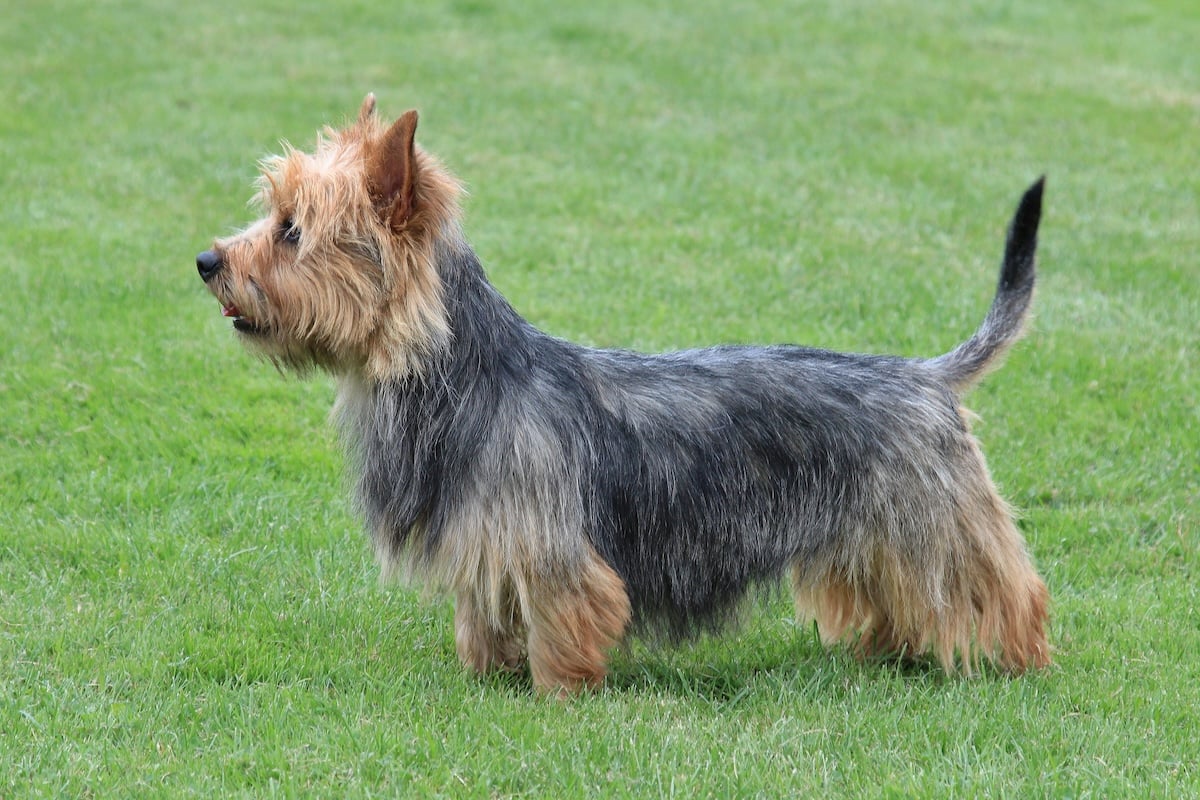 Photo Credit: CaptureLight at Deposit Photos
In the sun-drenched landscapes of Australia, the Australian Terrier, scientifically known as Canis lupus familiaris, scampers with a spirited energy that captures the hearts of all who encounter it. This small yet robust dog, with its wiry coat and lively demeanor, is a delightful blend of strength and charm. Its distinctive features, such as the rough, weather-resistant fur and bright, inquisitive eyes, make it not just a companion but a fascinating subject for scientists and nature enthusiasts alike. The Australian Terrier’s adaptability to various environments and its keen hunting instincts showcase the remarkable ways this breed has evolved to thrive in the wild.
Imagine a scene where the Australian Terrier bounds through the tall grasses of the outback, its tail wagging with excitement as it explores its surroundings. With a nose to the ground, it sniffs out hidden treasures, from the tiniest insects to the rustling leaves of small critters. This energetic little dog, originally bred to hunt vermin and assist farmers, embodies the spirit of adventure and curiosity. As we delve deeper into the world of the Australian Terrier, we will uncover its rich history, unique behaviors, and the vital role it plays in its ecosystem, revealing why this breed continues to enchant dog lovers and wildlife enthusiasts around the globe.
The Australian Terrier holds a special place in the tree of life, showcasing the rich diversity of the animal kingdom. This small yet sturdy dog is a member of the Canidae family, which includes wolves, foxes, and domestic dogs. What sets the Australian Terrier apart is its spirited personality and adaptability, traits that have made it a beloved companion in homes across the globe. With a history rooted in Australia, this breed was developed for its tenacity and ability to hunt small vermin, reflecting the unique challenges of its environment.
| Taxonomic Rank | Scientific Name | Meaning & Significance |
|---|---|---|
| Kingdom | Animalia | This name signifies that the Australian Terrier is part of the vast group of multicellular organisms that are primarily heterotrophic, meaning they consume other organisms for energy. |
| Phylum | Chordata | Chordata refers to animals that have a notochord, a flexible rod that supports the body. In the case of the Australian Terrier, this means it shares a common ancestry with all vertebrates, including humans! |
| Class | Mammalia | Mammalia indicates that this breed is warm-blooded and has fur or hair, along with mammary glands that allow females to nurse their young. The Australian Terrier’s thick coat helps it thrive in various climates. |
| Order | Carnivora | Carnivora is the order that includes meat-eating mammals. While the Australian Terrier may enjoy a varied diet, its ancestors were skilled hunters, a trait that still influences its behavior today. |
| Family | Canidae | Canidae encompasses all dog-like mammals, highlighting the Australian Terrier’s close relationship with other dogs and wolves, sharing traits like social behavior and communication. |
| Genus | Canis | Canis means “dog” in Latin, emphasizing the Australian Terrier’s identity as a domestic dog, descended from wild ancestors that roamed the earth long ago. |
Understanding the Australian Terrier’s classification reveals much about its evolutionary journey. As a member of the Canidae family, it shares a lineage with both wild and domestic species, showcasing the adaptability and resilience that have allowed it to thrive in various environments. This classification not only highlights its physical traits but also its behavioral instincts, rooted in a long history of companionship and utility. The Australian Terrier is a living testament to the intricate web of life, connecting us to the broader narrative of evolution and the diverse forms of life that share our planet.
The Australian Terrier’s evolutionary journey is a captivating tale that stretches back to the early 19th century. This breed emerged in Australia, where it was developed from a mix of various terrier breeds brought by European settlers. These settlers sought a small, agile dog that could thrive in the rugged Australian landscape, leading to the creation of a breed that is both resilient and resourceful.
The ancestors of the Australian Terrier were likely a blend of the rough-coated terriers from Britain, such as the Skye Terrier and the Cairn Terrier. These breeds were known for their tenacity and hunting skills, traits that were essential for catching small vermin in the harsh Australian environment. Over time, selective breeding focused on enhancing these qualities, resulting in a dog that not only excelled in hunting but also adapted well to life as a companion.
The adaptations of the Australian Terrier have played a crucial role in its survival and success. Its compact size and rough coat enable it to endure the challenges of the Australian environment, while its strong prey drive and intelligence make it a versatile companion. These traits not only helped the breed thrive in the wild but also endeared it to families, ensuring its place in homes across the globe. The Australian Terrier is a testament to the power of evolution and the bond between humans and dogs.
The Australian Terrier is a small but robust dog that exudes a lively spirit and a sense of adventure. With a compact body and a strong, muscular build, this breed stands out with its distinctive features. Its head is proportionate to its body, showcasing a flat skull and a well-defined stop, which is the area between the forehead and the muzzle. The Australian Terrier’s expressive eyes are dark and sparkling, giving it an alert and intelligent appearance. Its ears are small, pointed, and stand erect, adding to its keen and watchful demeanor.
| Feature | Description |
|---|---|
| Size | Small, typically weighing between 11 to 14 pounds |
| Color | Predominantly blue and tan, with variations in shades |
| Skin Type | Hair, featuring a harsh, weather-resistant outer coat |
| Body Structure | Compact and sturdy, with a strong back and well-proportioned limbs |
| Tail | Usually docked, carried high and straight |
These physical characteristics are not just for show; they serve important purposes in the Australian Terrier’s life. The sturdy build allows for agility and endurance, making it an excellent companion for outdoor activities. Its weather-resistant coat protects it from the elements, while the alert expression and erect ears help it stay aware of its surroundings. This combination of features equips the Australian Terrier to thrive in various environments, whether it’s chasing after small game or simply enjoying a romp in the backyard.
The Australian Terrier thrives in a variety of environments, showcasing its adaptability and resilience. This spirited little dog is often found in homes across Australia, where it enjoys the companionship of families and individuals alike. Its typical habitat includes both urban settings and rural landscapes, where it can explore gardens, parks, and open fields. The Australian Terrier is known for its energetic nature, making it a perfect fit for places where it can run and play freely.
The climate that suits the Australian Terrier is generally mild to warm, reflecting the conditions of its native land. This breed is well-equipped to handle sunny days, as it has a weather-resistant coat that helps protect it from the elements. While it enjoys outdoor activities, it also appreciates the comfort of a cozy home, making it versatile in both hot and temperate climates. However, extreme cold or wet conditions can be challenging for this breed, as they prefer drier environments.
Over time, the Australian Terrier has developed several adaptations that help it thrive in its chosen habitats. Its sturdy build and energetic disposition allow it to navigate various terrains, from bustling city streets to open fields. The breed’s keen intelligence and alertness make it an excellent watchdog, always ready to protect its family. With a playful spirit and a love for adventure, the Australian Terrier has become a beloved companion, perfectly suited to the diverse landscapes of Australia and beyond.
The Australian Terrier leads a vibrant daily life filled with energy and curiosity. These spirited dogs wake up ready to explore their surroundings, often starting their day with a playful romp in the yard or a brisk walk with their human companions. Their keen senses are always on alert, making them excellent watchdogs. Throughout the day, they engage in various activities, from chasing after toys to digging in the garden, showcasing their natural instincts and playful nature. As the sun sets, they wind down, often curling up next to their owners, ready to recharge for another day of adventure.
Socially, Australian Terriers are known for their friendly and outgoing personalities. They thrive on interaction, not just with their human families but also with other dogs. These terriers are pack-oriented, meaning they enjoy being part of a group, whether it’s their human family or a gathering of canine friends at the park. Their playful antics and affectionate nature help them form strong bonds, making them beloved companions. Communication is key in their social interactions; they use a mix of barks, body language, and even playful nudges to express their feelings and needs.
| Behavior Type | Description |
|---|---|
| Activity Patterns | Australian Terriers are active and playful, engaging in daily exercise through walks, playtime, and exploration. They love to dig and chase, reflecting their terrier heritage. |
| Social Structure | These dogs are pack animals, thriving in social settings. They bond closely with their families and enjoy the company of other dogs, often forming playful relationships. |
| Communication Methods | Australian Terriers communicate through a variety of barks, growls, and body language. They express excitement, alertness, and affection, making their needs known to their humans. |
The behaviors of the Australian Terrier are not just for fun; they play a crucial role in their survival. Their active lifestyle keeps them physically fit, which is essential for their health and longevity. Their social nature helps them build strong relationships, ensuring they have support and companionship. By communicating effectively, they can alert their families to potential dangers, making them not only delightful pets but also vigilant protectors. In the wild, these traits would be vital for finding food, avoiding threats, and thriving in a community.
The Australian Terrier is an omnivore, which means it enjoys a varied diet that includes both plant and animal matter. This adaptability in eating habits allows the breed to thrive in different environments. Typically, they enjoy a mix of high-quality dog food, fresh fruits, and vegetables, along with occasional treats of meat. Their feeding behavior is influenced by their energetic lifestyle, as they require a balanced diet to support their playful and active nature.
| Dietary Aspect | Details |
|---|---|
| Diet Type | Omnivore |
| Favorite Foods | High-quality dog food, fruits like apples and blueberries, vegetables such as carrots and peas |
| Prey Items | Small rodents, insects, and occasionally birds |
| Hunting/Foraging Strategies | Active scavengers, using their keen sense of smell and agility to locate food |
The Australian Terrier’s diet plays a crucial role in its ecology and daily routine. By being omnivorous, it can adapt to various food sources, which is especially important in changing environments. This flexibility not only supports their health and energy levels but also influences their behavior, making them curious explorers. Their foraging habits encourage them to engage with their surroundings, leading to a lively and interactive lifestyle that keeps them both physically and mentally stimulated.
The mating behavior of the Australian Terrier is both instinctual and social. During the breeding season, which typically occurs in the spring, males become particularly attentive and playful, often engaging in spirited displays to attract females. These displays can include playful barking, tail wagging, and even gentle nipping. Once a female is in heat, she will signal her readiness to mate, and the pair will engage in a courtship dance that strengthens their bond before mating occurs.
| Reproductive Aspect | Details |
|---|---|
| Gestation Period | Approximately 63 days |
| Litter Size | Average of 4 puppies |
| Age of Maturity | About 12 months |
| Name of Young | Puppies |
Once the puppies are born, the mother takes on the vital role of caregiver. She provides warmth, nourishment, and protection to her young, ensuring they are safe and healthy. The puppies are born blind and deaf, relying entirely on their mother for survival in those early days. As they grow, they begin to explore their surroundings, developing their senses and social skills. By the time they reach maturity at around 12 months, they are ready to embark on their own adventures, carrying forward the spirited legacy of the Australian Terrier.
The Australian Terrier occupies a fascinating niche in the food web, primarily as a small, agile predator. While it is known for its tenacity and hunting skills, this breed also faces various dangers in its environment. As a small dog, it is vulnerable to larger predators and other threats that can impact its survival. Understanding these dangers helps us appreciate the challenges this spirited breed encounters in its daily life.
To defend itself against these threats, the Australian Terrier employs a range of survival strategies. Its keen senses allow it to detect danger quickly, while its energetic nature helps it escape from potential predators. Additionally, this breed is known for its bold and confident demeanor, often barking to ward off intruders. By staying alert and using its agility, the Australian Terrier navigates its environment with a mix of caution and courage, ensuring its place in the wild and in our hearts.
A keystone species is an organism that plays a critical role in maintaining the structure of an ecosystem. Its presence or absence can significantly impact the environment and the other species that live there. While the Australian Terrier is a lively and adaptable dog breed, it does not qualify as a keystone species. Instead, it is a companion animal that thrives in human environments, primarily serving as a pet rather than a pivotal player in natural ecosystems.
Even though the Australian Terrier is not a keystone species, it does have some ecological impacts, particularly in the contexts where it interacts with wildlife and its human companions. For instance, these dogs are known for their hunting instincts, which can help control populations of small pests like rodents. By keeping these populations in check, Australian Terriers can indirectly support the health of gardens and farms, where overpopulation of pests can lead to crop damage.
Moreover, the Australian Terrier’s omnivorous diet allows it to adapt to various food sources, which can influence local ecosystems. When these dogs forage, they may inadvertently disperse seeds from plants they consume, contributing to plant diversity in their surroundings. This behavior can help maintain a balanced ecosystem, even if it is primarily in a domestic setting.
If the Australian Terrier were to disappear, the immediate effects might not be as dramatic as those caused by the loss of a true keystone species. However, there could be a ripple effect. Without these dogs, pest populations might increase, leading to more significant crop damage and potential economic impacts for farmers. Additionally, the absence of this breed could diminish the joy and companionship it brings to families, highlighting the importance of even non-keystone species in our lives and ecosystems.
The Australian Terrier, a lively and adaptable breed, plays a significant role in shaping its ecosystem. As a small omnivore, it contributes to the balance of its environment by controlling pest populations and participating in the food web. This breed’s energetic nature and inquisitive behavior allow it to explore various habitats, from urban areas to rural landscapes, where it interacts with other species and influences the ecological dynamics around it.
| Ecosystem Service | Impact |
|---|---|
| Pest Control | Helps manage populations of small rodents and insects, preventing overpopulation. |
| Soil Aeration | As it digs and explores, it loosens the soil, promoting better water absorption and root growth. |
| Seed Dispersal | By foraging, it can inadvertently spread seeds, aiding in plant diversity. |
| Companion Species | Enhances human well-being and encourages biodiversity in urban settings. |
The Australian Terrier’s influence is evident in its interactions with the environment. For instance, while hunting small pests, it helps keep their populations in check, which is crucial for maintaining a balanced ecosystem. Additionally, as these terriers dig and explore, they aerate the soil, allowing water and nutrients to reach plant roots more effectively. This natural behavior not only benefits the plants but also supports a variety of other organisms that rely on healthy soil.
The broader ecological importance of the Australian Terrier extends beyond its immediate actions. By serving as a companion animal, it fosters a connection between humans and nature, encouraging people to appreciate and protect their local environments. This breed’s presence in urban areas can promote biodiversity, as it interacts with various species and habitats. In essence, the Australian Terrier is not just a pet; it is a vital player in the intricate web of life, reminding us of the interconnectedness of all living things.
In the intricate web of life, symbiosis refers to the close interactions between different species, which can take many forms. These relationships can be mutualistic, where both species benefit, parasitic, where one benefits at the other’s expense, or commensal, where one benefits while the other is neither helped nor harmed. Understanding these connections helps us appreciate how species like the Australian Terrier interact with their environment and other organisms, creating a dynamic balance in their ecosystems.
| Species/Type | Relationship Type | Description |
|---|---|---|
| Rodents | Mutualistic | Australian Terriers may help control rodent populations, while rodents can provide a source of food for the terriers. |
| Fleas | Parasitic | Fleas can infest Australian Terriers, feeding on their blood and causing discomfort. |
| Birds | Commensal | Birds may follow Australian Terriers to scavenge leftover food, benefiting from the terrier’s foraging without affecting it. |
These relationships have evolved over time, shaped by the needs and behaviors of the species involved. The Australian Terrier, with its keen hunting instincts and omnivorous diet, has adapted to thrive alongside various animals. By controlling pest populations, it plays a vital role in its ecosystem, while also facing challenges from parasites like fleas. Meanwhile, the interactions with birds highlight how some species can benefit from the activities of others without causing harm. This delicate balance of relationships showcases the interconnectedness of life and the importance of each species in maintaining ecological harmony.
The Australian Terrier is a small dog with a big personality, and it has some surprising traits that make it truly special. Here are a few intriguing facts that showcase the charm and adaptability of this spirited breed.
The Australian Terrier has a rich history intertwined with humanity, dating back to the early 19th century when it was developed in Australia. Originally bred to hunt vermin and assist farmers, these spirited dogs quickly became beloved companions. Their tenacity and loyalty made them not just working dogs but also cherished family members. In Australian culture, the breed symbolizes resilience and adaptability, traits that resonate deeply with the spirit of the land and its people. As settlers faced the challenges of a new environment, the Australian Terrier stood by their side, proving to be a reliable partner in both work and play.
Today, the relationship between Australian Terriers and humans continues to evolve. These dogs are not only popular pets but also play roles in various activities, from agility competitions to therapy work. Their intelligence and eagerness to please make them excellent candidates for training, allowing them to thrive in diverse environments. However, challenges remain, such as the need for responsible breeding practices to ensure their health and well-being. As urbanization increases, the balance between preserving their natural instincts and adapting to modern living conditions becomes crucial.
Looking ahead, the future of the Australian Terrier and humanity appears promising. As awareness grows about the importance of animal welfare and responsible pet ownership, these dogs will likely continue to thrive in homes across Australia and beyond. With their playful nature and strong bond with humans, Australian Terriers will remain not just companions but also vital members of our communities. By nurturing this relationship, we can ensure that these spirited dogs continue to enrich our lives for generations to come.
The Australian Terrier currently holds a conservation status of “Not Listed,” which means it is not considered endangered or threatened at this time. This breed has a stable population, primarily due to its popularity as a companion animal in Australia and beyond. While specific population estimates are not readily available, the Australian Terrier remains a cherished pet, suggesting that its numbers are healthy and consistent.
| Conservation Factor | Status/Details |
|---|---|
| IUCN Status | Not Listed |
| Population Estimates | Not specifically available |
| Trend Direction | Stable |
Despite its current stable status, the Australian Terrier faces some challenges that could impact its future. One of the main threats includes the potential for genetic health issues due to a limited gene pool, as many purebred dogs are bred for specific traits. Additionally, as urbanization increases, the breed may encounter habitat loss and reduced opportunities for exercise and socialization, which are vital for its well-being.
Conservation efforts for the Australian Terrier focus on responsible breeding practices to maintain genetic diversity and health. Organizations dedicated to dog welfare are working to educate breeders and owners about the importance of health screenings and ethical breeding. With these initiatives in place, the outlook for the Australian Terrier remains positive, ensuring that this spirited breed continues to thrive in homes and hearts around the world.
| Question | Answer |
|---|---|
| What is the habitat of the Australian Terrier? | The Australian Terrier is primarily a domestic dog breed, meaning it lives in homes with people. They thrive in various environments, from city apartments to rural homes, as long as they have enough space to play and exercise. |
| What do Australian Terriers eat? | Australian Terriers are omnivores, which means they eat both plants and animals. A balanced diet for them includes high-quality dog food, fresh vegetables, and occasional treats like lean meats or fruits. |
| What is the behavior of Australian Terriers like? | These dogs are known for their lively and friendly nature. They are intelligent, alert, and can be quite playful, making them great companions for families and active individuals. |
| How do Australian Terriers reproduce? | Like all dogs, Australian Terriers reproduce through mating between a male and a female. The female typically has a litter of 3 to 5 puppies after a gestation period of about 63 days. |
| What threats do Australian Terriers face? | As a breed, Australian Terriers are not currently listed as endangered, but they can face threats from overbreeding and poor breeding practices. It's important for potential owners to choose reputable breeders to ensure healthy puppies. |
| What are some interesting characteristics of Australian Terriers? | Australian Terriers are known for their distinctive rough coat and small size, typically weighing around 14 to 20 pounds. They are also recognized for their strong hunting instincts, originally bred to catch small vermin on farms. |
| How much exercise do Australian Terriers need? | These energetic dogs require regular exercise to stay healthy and happy. Daily walks, playtime, and mental stimulation through training or games are essential to keep them engaged and prevent boredom. |