Taxonomy & Classification
- Kingdom
- Animalia
- Phylum
- Chordata
- Class
- Aves
- Order
- Pelecaniformes
- Family
- Ardeidae
- Genus
- Egretta

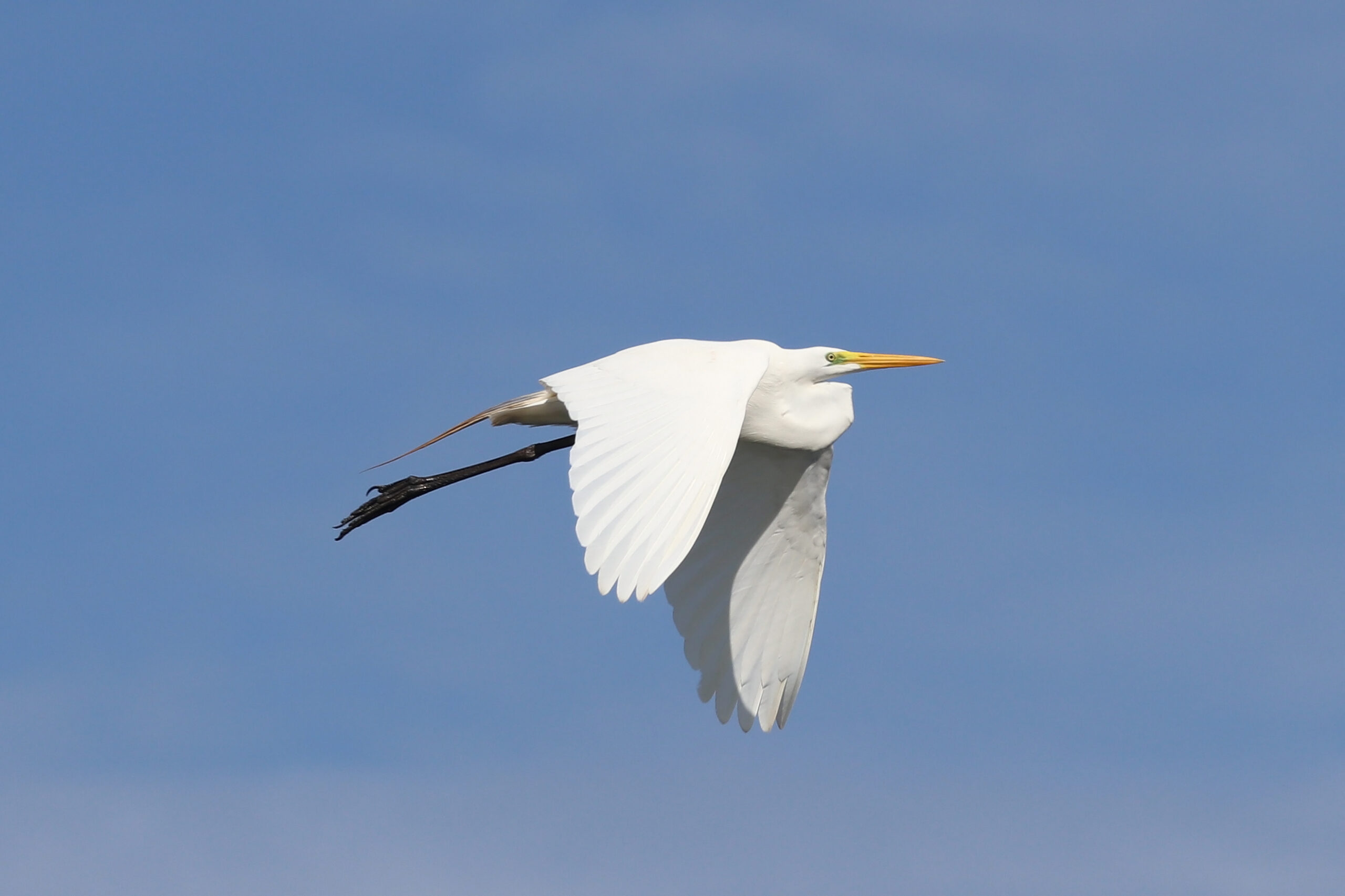 Photo Credit: Charlesjsharp / Wikimedia Commons
In the shimmering wetlands of the world, the egret, known scientifically as Ardea alba, stands as a symbol of grace and beauty. With its long legs and elegant neck, this striking bird wades through shallow waters, searching for its next meal. The sunlight glints off its pristine white feathers, creating a dazzling display that captivates both nature enthusiasts and scientists alike. Egrets are not just visually stunning; they play a vital role in their ecosystems, acting as both predators and indicators of environmental health.
Imagine a tranquil pond, surrounded by lush greenery, where egrets glide effortlessly across the water’s surface. Their keen eyes scan for fish, crustaceans, and other small creatures, showcasing their remarkable hunting skills. These birds are diurnal, meaning they are most active during the day, and their daily routines are filled with fascinating behaviors that reveal their adaptability and intelligence. As we explore the world of egrets, we will uncover their unique lifestyles, the challenges they face, and the important roles they play in maintaining the balance of their wetland habitats. Join us on this adventure to learn more about these magnificent birds and the secrets of their watery realms.
The egret, a graceful bird often seen wading in shallow waters, holds a special place in the tree of life. Taxonomically, it belongs to the Kingdom Animalia, which includes all animals, and is classified under the Phylum Chordata, meaning it has a backbone. Egrets are part of the Class Aves, which encompasses all birds, and they fall under the Order Pelecaniformes, a group that includes pelicans and herons. Within this order, egrets are members of the Family Ardeidae, known for their long legs and necks, which help them hunt in aquatic environments. The genus Egretta is where egrets truly shine, showcasing their elegance and adaptability. What makes egrets particularly captivating is their striking plumage and social behavior, often seen in flocks, which adds to their charm in the avian world.
| Taxonomic Rank | Scientific Name | Meaning & Significance |
|---|---|---|
| Kingdom | Animalia | This name comes from the Latin word “animalis,” meaning “having breath,” highlighting the living nature of all animals. |
| Phylum | Chordata | Derived from the Greek word “chordē,” meaning “string,” referring to the notochord, a flexible rod that supports the body in all vertebrates. |
| Class | Aves | This term comes from the Latin word for “bird,” emphasizing the unique characteristics that define all birds, such as feathers and beaks. |
| Order | Pelecaniformes | From the Latin “pelecanus,” meaning “pelican,” and “forma,” meaning “shape,” this order includes birds with similar body structures, particularly those adapted for fishing. |
| Family | Ardeidae | This name is derived from the Latin “ardea,” meaning “heron,” which reflects the family’s close association with wading birds that share similar habitats and behaviors. |
| Genus | Egretta | The name comes from the French word “aigrette,” meaning “heron,” which highlights the elegant appearance of these birds, especially their long, slender necks and striking feathers. |
The classification of egrets reveals much about their evolutionary journey. As members of the Ardeidae family, they share a common ancestry with other wading birds, which have adapted to life near water. Their unique adaptations, such as long legs for wading and specialized hunting techniques, showcase how they have evolved to thrive in diverse environments. Understanding their taxonomic position not only highlights their physical traits but also connects them to a broader ecological narrative, illustrating the intricate web of life that has developed over millions of years. Egrets are not just beautiful birds; they are a testament to the wonders of evolution and the interconnectedness of all living things.
The evolutionary journey of the egret stretches back millions of years, intertwining with the history of wetlands and the rise of birds. Egrets belong to the family Ardeidae, which includes herons and bitterns, and their ancestors first appeared during the late Eocene epoch, around 34 to 56 million years ago. As the Earth’s climate changed and habitats evolved, these birds adapted to thrive in diverse environments, leading to the elegant forms we see today.
The early ancestors of egrets were likely similar to other wading birds, with long legs and necks that allowed them to hunt in shallow waters. Over time, they developed specialized features that enhanced their survival. One major transition was the evolution of their long, slender bodies, which improved their agility and efficiency while hunting. As they adapted to different habitats, some species began to exhibit striking plumage, especially during breeding seasons, which played a crucial role in attracting mates.
These adaptations have been vital for egrets, enabling them to thrive in various ecosystems. Their long legs and sharp beaks make them efficient hunters, while their striking plumage enhances their reproductive success. By living in colonies, they also benefit from increased protection against threats. Together, these traits have allowed egrets to flourish in wetlands around the world, showcasing the beauty of evolution in action.
The egret is a stunning bird that captures the eye with its elegant form and striking presence. Standing tall with long, slender legs and a graceful neck, it embodies a sense of poise and agility. Its body is streamlined, allowing it to glide effortlessly over water and land. The overall impression is one of beauty and efficiency, perfectly adapted to its wetland habitat.
| Feature | Description |
|---|---|
| Weight | 7.8 ounces to 3.3 pounds |
| Skin Type | Feathers |
| Most Distinctive Feature | Long legs and necks |
These physical characteristics work together to enhance the egret’s survival in its environment. The long legs allow it to wade through shallow waters with ease, while the elongated neck helps it reach for fish and other prey hidden among reeds and grasses. Its lightweight body, combined with feathers that provide insulation and buoyancy, enables it to move gracefully and efficiently, whether in flight or while hunting. This combination of features not only makes the egret a beautiful sight but also a skilled predator in its watery domain.
Egrets thrive in a variety of wetland habitats that paint a picturesque scene of tranquility and life. Imagine a serene pond, its surface shimmering under the sun, surrounded by lush greenery and tall grasses. These elegant birds can often be spotted wading through shallow waters, their long legs gracefully moving through the reflections. They are equally at home in marshes, where the soft sounds of croaking frogs and rustling reeds create a symphony of nature. Lakes and streams also serve as perfect spots for egrets, providing ample opportunities for hunting and nesting.
Egrets prefer climates that offer a mix of warmth and moisture, making wetlands their ideal environment. They thrive in areas where the temperature is mild, as this supports the rich biodiversity they rely on for food. These birds are often found in regions that experience seasonal flooding, which creates the shallow waters they love. The presence of aquatic plants and small fish is crucial, as these provide both shelter and sustenance.
To adapt to their watery homes, egrets have developed several fascinating traits. Their long legs allow them to wade through water with ease, while their sharp beaks are perfectly designed for catching fish and other small prey. Egrets also have a keen sense of sight, enabling them to spot movement in the water from a distance. Their white plumage, which helps them blend into the sunlit environment, is not just beautiful but also functional, as it reflects sunlight and keeps them cool. These adaptations make egrets not only survivors but also graceful inhabitants of their wetland realms.
Egrets lead a vibrant daily life, filled with activities that showcase their adaptability and keen instincts. As diurnal birds, they rise with the sun, embarking on a quest for food in the early morning light. Wading through shallow waters, they use their long legs to navigate the wetlands, searching for fish, frogs, and other small creatures. Their hunting technique is a blend of patience and precision; they often stand still for long periods, waiting for the perfect moment to strike with their sharp beaks. As the day progresses, egrets may also engage in preening, a behavior that helps keep their feathers clean and waterproof, ensuring they remain buoyant and agile in the water.
Socially, egrets exhibit semi-social behavior, often seen in small groups, especially during feeding times. These gatherings can be quite lively, as egrets communicate through a series of soft calls and body movements. While they may not form large flocks like some other birds, their interactions are crucial for maintaining social bonds and coordinating their activities. When feeding together, egrets may spread out to cover more ground, using their keen eyesight to spot potential threats or food sources. This social structure allows them to benefit from the safety of numbers while still enjoying their independence.
| Behavior Type | Description |
|---|---|
| Activity Patterns | Egrets are diurnal, meaning they are active during the day, primarily hunting for food in the early morning and late afternoon. |
| Social Structure | They are semi-social, often seen in small groups, which helps them find food and stay alert to predators. |
| Communication Methods | Egrets communicate through soft calls and body language, which helps them coordinate activities and maintain social bonds. |
The behaviors of egrets are finely tuned to ensure their survival in the wild. By being active during the day, they maximize their hunting opportunities while avoiding nocturnal predators. Their semi-social nature allows them to benefit from group dynamics, enhancing their ability to find food and stay safe. Through effective communication, they can alert one another to danger and share information about food sources. All these behaviors work together, creating a harmonious balance that helps egrets thrive in their wetland habitats.
Egrets are carnivorous birds that primarily feast on a variety of aquatic and terrestrial creatures. Their diet mainly consists of fish, crustaceans, amphibians, and even small mammals. With their keen eyesight and patient hunting techniques, egrets are skilled foragers, often seen standing still in shallow waters, waiting for the perfect moment to strike. They use their long, sharp beaks to snatch up prey with impressive speed and precision, making them effective hunters in their watery domains.
| Dietary Aspect | Details |
|---|---|
| Diet Type | Carnivore |
| Favorite Foods | Fish, crustaceans, amphibians, small mammals, reptiles, birds, and insects |
| Prey Items | Fish, crabs, frogs, small rodents, and various insects |
| Hunting/Foraging Strategies | Standing still and waiting for prey, stalking slowly, and using quick strikes with their beaks |
The diet of egrets plays a crucial role in their ecology and daily routines. By consuming a wide range of prey, they help maintain the balance of their ecosystems, controlling populations of fish and other small animals. Their hunting habits also influence their social behavior, as egrets often forage in groups, which can increase their chances of finding food. This collaborative approach not only enhances their survival but also enriches the vibrant tapestry of life in the wetlands they inhabit.
During the breeding season, egrets engage in captivating courtship displays that showcase their elegance and grace. Males often perform elaborate dances, puffing out their feathers and calling to attract females. This season typically occurs in spring and early summer, when the weather is warm and food is plentiful. Once a pair has formed, they work together to build a nest, usually in trees or shrubs near water, where they can keep their young safe from predators.
| Reproductive Aspect | Details |
|---|---|
| Gestation Period | Approximately 3 weeks |
| Litter Size | 3 to 5 eggs |
| Age of Maturity | 3 years |
| Name of Young | Nestlings, fledglings |
Once the eggs hatch, the parents are dedicated caregivers. They feed their nestlings a diet of regurgitated food, which is rich in nutrients. As the young egrets grow, they develop their feathers and learn to fly, a process that takes several weeks. Parental care is crucial during this time, as the fledglings rely on their parents for protection and guidance. Eventually, the young egrets will leave the nest and begin their journey into adulthood, ready to explore the world and perhaps start families of their own.
Egrets play a vital role in the food web, acting as both predators and prey. These elegant birds primarily hunt for fish and other small creatures, helping to maintain the balance of their wetland ecosystems. However, they are not at the top of the food chain. Egrets face various dangers that threaten their survival, making them vulnerable in their natural habitats.
To defend themselves against these threats, egrets have developed several survival strategies. They often rely on their keen eyesight and stealth to spot danger from afar, allowing them to take flight at the first sign of trouble. When threatened, egrets can also use their long legs to quickly wade into deeper waters, where predators cannot follow. Additionally, their white plumage can help them blend into the bright reflections of sunlight on water, making it harder for predators to spot them. Through these clever adaptations, egrets continue to navigate the challenges of their environment.
A keystone species is a vital part of its ecosystem, meaning its presence and activities have a significant impact on the environment and other species. Egrets, with their elegant wading and hunting behaviors, can indeed be considered a keystone species in their wetland habitats. Their role is crucial in maintaining the balance of the ecosystem, influencing both the populations of their prey and the overall health of the environment.
Egrets primarily feed on fish, crustaceans, and amphibians, making them important predators in their habitats. By controlling the populations of these species, egrets help prevent overpopulation, which can lead to habitat degradation. For example, if fish populations were to explode unchecked, they could overgraze aquatic plants, disrupting the entire ecosystem. Additionally, egrets often hunt in groups, which can increase their efficiency in catching prey, further enhancing their role as effective predators.
Moreover, egrets contribute to nutrient cycling in their ecosystems. As they hunt, they also excrete waste that enriches the soil and water, promoting plant growth. This, in turn, supports a diverse range of other species, from insects to larger mammals that rely on healthy vegetation for food and shelter. Their presence can also attract other wildlife, creating a vibrant community around wetland areas.
If egrets were to disappear from their ecosystems, the consequences could be severe. Without these skilled hunters, fish and amphibian populations might surge, leading to overgrazing of aquatic vegetation. This imbalance could result in a decline in water quality and a loss of habitat for many other species. The ripple effects would be felt throughout the ecosystem, demonstrating just how interconnected life is in these vibrant wetland environments. The absence of egrets would not only diminish the beauty of these habitats but also threaten the delicate balance that sustains them.
Egrets occupy a crucial ecological niche in wetland environments, where they serve as both predators and indicators of ecosystem health. These elegant birds thrive in habitats like ponds, streams, lakes, and marshes, where they wade through shallow waters in search of food. Their presence signals a balanced ecosystem, as they rely on a diverse array of aquatic life for sustenance. By maintaining the populations of their prey, egrets help ensure that the delicate web of life in these habitats remains intact.
| Ecosystem Service | Impact |
|---|---|
| Predation | Controls fish and invertebrate populations, preventing overpopulation. |
| Habitat Monitoring | Indicates the health of wetland ecosystems through their presence and behavior. |
| Nutrient Cycling | Contributes to nutrient distribution through their feeding and waste. |
| Seed Dispersal | Assists in the spread of aquatic plants by transporting seeds in their feathers or digestive system. |
Egrets influence their ecosystems in several specific ways. For instance, by preying on fish and crustaceans, they help regulate these populations, which can otherwise grow unchecked. This predation is vital for maintaining the balance of aquatic life. Additionally, egrets often feed in groups, which can create a ripple effect, encouraging other species to thrive in the same area. Their foraging habits also stir up sediment, which can promote the growth of aquatic plants, further enriching their habitat.
The broader ecological importance of egrets cannot be overstated. As keystone species, their activities shape the structure of their environments, supporting a diverse range of life. By controlling prey populations and contributing to nutrient cycling, egrets play a pivotal role in sustaining the health of wetlands. Protecting these habitats not only benefits egrets but also the myriad of species that depend on the intricate balance they help maintain. In this way, egrets are not just beautiful birds; they are essential guardians of their ecosystems.
In the intricate web of life, symbiosis plays a vital role, connecting different species in various ways. Symbiosis refers to the close and often long-term interactions between two different biological species. These relationships can be mutualistic, where both species benefit; commensal, where one benefits while the other is neither helped nor harmed; or parasitic, where one species benefits at the expense of the other. Egrets, with their elegant presence in wetland habitats, engage in fascinating partnerships that highlight the beauty of nature’s interconnectedness.
| Species/Type | Relationship Type | Description |
|---|---|---|
| Buffalo | Mutualistic | Egrets often perch on the backs of buffalo, eating ticks and other parasites. The buffalo get pest control, while the egrets enjoy a meal. |
| Fish | Commensal | As egrets wade through shallow waters, they stir up fish and other small creatures. The fish are not harmed, but the egrets benefit by catching them for food. |
| Other wading birds | Mutualistic | When egrets and other wading birds forage together, they can scare fish into shallow waters, making it easier for all to catch their meals. |
These relationships have evolved over time, shaped by the needs and behaviors of the species involved. Egrets have developed a keen ability to recognize opportunities for cooperation, which enhances their survival. By working alongside buffalo, they gain access to food while helping to keep their hosts free of pests. Similarly, their interactions with fish and other birds demonstrate how collaboration can lead to mutual benefits. Such partnerships not only enrich the lives of egrets but also contribute to the overall health of their ecosystems, showcasing the delicate balance of nature.
Egrets are not just beautiful birds; they are also full of surprises that reveal their fascinating lives and behaviors. Here are some intriguing facts that will captivate nature enthusiasts of all ages.
Egrets have long been intertwined with human history, captivating cultures around the world. In ancient Egypt, these elegant birds were revered and often depicted in art, symbolizing purity and grace. Many indigenous cultures have also celebrated egrets, recognizing their role in the ecosystem and incorporating them into folklore. Their striking appearance and graceful movements have made them a subject of admiration, inspiring poetry and stories that highlight the beauty of nature. As humans have interacted with egrets over the centuries, these birds have become symbols of the delicate balance between wildlife and human activity.
Today, the relationship between egrets and humanity is complex, marked by both cooperation and conflict. As urban development expands, egrets often find their natural habitats threatened, leading to conservation efforts aimed at protecting these beautiful birds. Organizations work tirelessly to preserve wetland areas, ensuring that egrets have safe places to nest and feed. However, conflicts can arise when egrets are seen as pests, particularly in agricultural areas where they may feed on fish stocks or crops. In some regions, egrets have even adapted to urban environments, finding new ways to coexist with people, which can lead to fascinating interactions.
As we look to the future, the relationship between egrets and humanity holds both promise and challenges. With increasing awareness of environmental issues, more people are advocating for the protection of natural habitats. This growing appreciation for biodiversity can lead to stronger conservation efforts, ensuring that egrets continue to thrive alongside us. By fostering a sense of stewardship for the environment, we can create a world where egrets and humans coexist harmoniously, celebrating the beauty of nature together.
The conservation status of egrets is currently classified as “Least Concern” by the International Union for Conservation of Nature (IUCN). This means that, overall, egrets are not facing immediate threats that could lead to their extinction. However, while their population size is estimated to be unknown, many species of egrets are still experiencing fluctuations in numbers due to various environmental factors.
| Conservation Factor | Status/Details |
|---|---|
| IUCN Status | Least Concern |
| Estimated Population Size | Unknown |
| Population Trend | Fluctuating |
Egrets face several threats that can impact their populations. Habitat loss is one of the most significant challenges, as wetlands are drained for agriculture and urban development. Pollution also poses a danger, as chemicals can contaminate the water and food sources that egrets rely on. Additionally, climate change is altering their habitats, affecting the availability of food and nesting sites. These factors can lead to localized declines in certain egret populations, even if the overall status remains stable.
Conservation efforts are underway to protect egrets and their habitats. Organizations are working to restore wetlands and promote sustainable land use practices that benefit both wildlife and people. Public awareness campaigns help educate communities about the importance of preserving these beautiful birds and their ecosystems. With continued efforts, the outlook for egrets remains hopeful, as they adapt to changing environments and thrive in protected areas.
| Question | Answer |
|---|---|
| What is the habitat of an egret? | Egrets are commonly found in wetlands, which include ponds, streams, lakes, and marshes. These areas provide them with plenty of food and places to nest. |
| What do egrets eat? | Egrets are carnivores, meaning they primarily eat meat. Their diet mainly consists of fish, frogs, and small invertebrates, which they catch using their sharp beaks. |
| How do egrets behave in the wild? | Egrets are known for their graceful movements and patience while hunting. They often stand still for long periods, waiting for the perfect moment to strike at their prey. |
| How do egrets reproduce? | Egrets typically build their nests in trees or shrubs near water. During the breeding season, they perform elaborate courtship displays to attract mates, and both parents help care for the young. |
| What threats do egrets face? | While egrets are currently classified as Least Concern, they still face threats from habitat loss and pollution. Wetland destruction due to urban development and agriculture can significantly impact their populations. |
| What is a distinctive feature of egrets? | One of the most distinctive features of egrets is their long legs and necks. These adaptations help them wade through water and reach for prey in shallow areas. |
| Are egrets social birds? | Yes, egrets are often seen in groups, especially during feeding and nesting. They can form large colonies, which helps them protect against predators and find food more efficiently. |