Taxonomy & Classification
- Kingdom
- Animalia
- Phylum
- Arthropoda
- Class
- Insecta
- Order
- Diptera

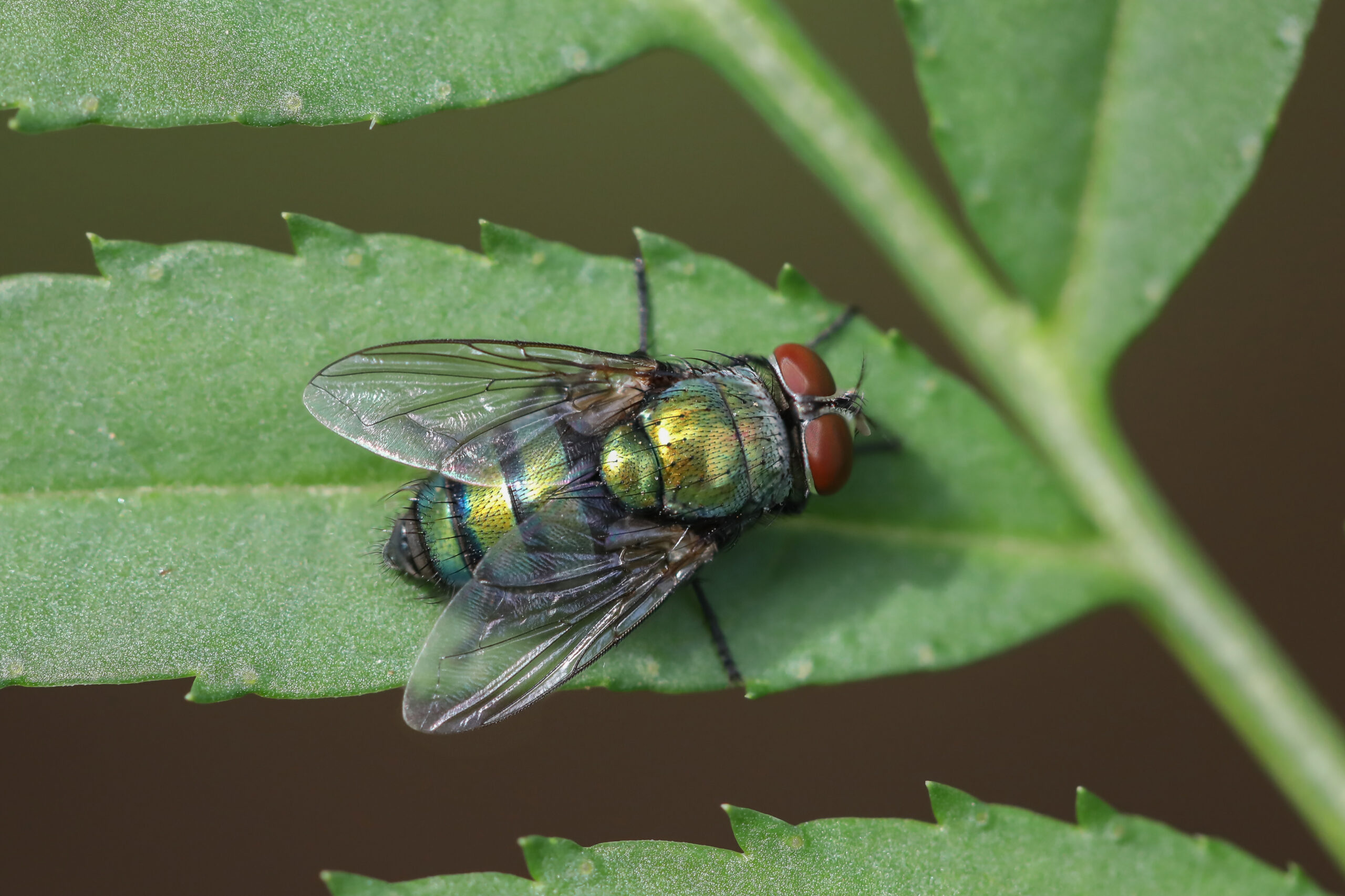 Photo Credit: Basile Morin / Wikimedia Commons
In the bustling world of nature, the fly, scientifically known as Diptera, flits about with a grace that belies its small size. Imagine a sun-drenched garden, where vibrant flowers bloom and the air is filled with the sweet scent of nectar. Here, flies dart and dance, their iridescent bodies glinting in the light as they navigate through the colorful landscape. With their large, multifaceted eyes and delicate wings, these tiny insects are not just common visitors; they are vital players in the ecosystem, helping to pollinate plants and break down organic matter.
What makes flies particularly captivating to scientists and nature enthusiasts alike is their incredible adaptability and diverse lifestyles. They thrive in a variety of environments, from lush gardens to bustling compost heaps, where they feast on decaying fruits and vegetables. This ability to flourish in different habitats showcases their resilience and importance in the food web. Flies are often misunderstood, seen merely as pests buzzing around our heads, but they play a crucial role in maintaining the balance of nature. As we explore the fascinating world of flies, we will uncover their unique behaviors, life cycles, and the essential roles they play in our ecosystems.
Flies are intriguing members of the animal kingdom, occupying a special place in the vast tree of life. They belong to the phylum Arthropoda, which includes all animals with jointed legs and exoskeletons, like spiders and crabs. Within this phylum, flies are classified under the class Insecta, the largest group of animals on Earth. What sets flies apart is their incredible adaptability and diversity; there are over 120,000 species of flies, each with unique behaviors and habitats. Their ability to thrive in various environments—from lush forests to bustling cities—makes them a vital part of ecosystems, contributing to processes like pollination and decomposition.
| Taxonomic Rank | Scientific Name | Meaning & Significance |
|---|---|---|
| Kingdom | Animalia | The name “Animalia” comes from the Latin word “animalis,” meaning “having breath” or “living.” This reflects the essential characteristic of all animals: they are living organisms that breathe and move. |
| Phylum | Arthropoda | “Arthropoda” means “jointed feet” in Greek, highlighting the jointed limbs that are a defining feature of this group, which includes insects, arachnids, and crustaceans. |
| Class | Insecta | The term “Insecta” is derived from the Latin word “insectum,” meaning “cut into sections.” This refers to the segmented body structure of insects, which typically includes a head, thorax, and abdomen. |
| Order | Diptera | “Diptera” translates to “two wings” in Greek, a nod to the most distinctive feature of flies: they possess only one pair of wings, unlike many other insects that have two pairs. |
The classification of flies reveals a fascinating evolutionary history that dates back millions of years. As members of the order Diptera, they have evolved specialized adaptations that allow them to occupy various ecological niches. Their unique wing structure and life cycles have enabled them to become successful in diverse environments. Understanding their taxonomic position not only highlights their biological significance but also underscores their role in the intricate web of life on our planet. Flies are more than just pests; they are essential players in the ecosystems they inhabit, showcasing the beauty of evolution in action.
The evolutionary journey of flies stretches back over 300 million years, tracing their origins to the Carboniferous period. This was a time when the Earth was lush with forests and swarming with early insects. Flies, belonging to the order Diptera, which means “two wings,” have undergone significant transformations that have allowed them to thrive in diverse environments across the globe.
The ancestors of modern flies were likely small, winged insects that resembled today’s mayflies. Over time, these early insects developed the ability to fly more efficiently, which was a game-changer. The evolution of their wings allowed them to escape predators, find food, and explore new habitats. As they evolved, flies also adapted to various ecological niches, leading to the emergence of different families and species. One major transition was the development of specialized mouthparts, enabling them to feed on liquids, such as nectar or decaying matter, which opened up new food sources.
These adaptations have been crucial for the survival of flies in a constantly changing world. Their ability to fly efficiently allows them to escape danger and find food, while their specialized mouthparts enable them to exploit a variety of resources. Rapid reproduction ensures that even in challenging conditions, their populations can rebound quickly. The process of metamorphosis allows them to thrive in different habitats throughout their life cycle. Together, these traits have made flies one of the most successful groups of insects on the planet, showcasing the wonders of evolution in action.
Flies are small yet captivating insects that often go unnoticed in the hustle and bustle of our daily lives. Their bodies are typically compact and streamlined, allowing them to zip through the air with remarkable agility. With a pair of delicate wings that flutter rapidly, they can change direction in an instant, making them seem almost like living darts. Their legs, often long and spindly, help them land gracefully on various surfaces, while their large, multifaceted eyes give them a panoramic view of their surroundings.
| Feature | Description |
|---|---|
| Size | Generally small, ranging from 1 to 10 millimeters in length |
| Color | Varies widely; can be black, brown, or even brightly colored |
| Skin Type | Covered in fine hair, which can help with sensory perception |
| Wings | Two transparent wings that allow for rapid flight |
| Eyes | Large, compound eyes made up of thousands of tiny lenses |
These features work together to create a highly efficient and adaptable insect. The small size allows flies to navigate through tight spaces, while their varied colors can help them blend into their environments or attract mates. The fine hair on their bodies enhances their ability to sense changes in the air, which is crucial for avoiding predators. Their impressive wings enable quick takeoffs and agile maneuvers, making them adept at escaping danger. Together, these characteristics not only aid in survival but also contribute to the fascinating role flies play in our ecosystems.
Flies thrive in a variety of environments, but they are particularly drawn to areas rich in organic waste. Picture a bustling compost heap, where decaying fruits and vegetables create a feast for these tiny insects. They can also be found near garbage bins, farms, and even in the wild, where fallen leaves and animal remains provide ample food sources. This close association with decomposing matter makes their habitats both lively and essential for the ecosystem.
Flies prefer warm, moist climates that support the rapid breakdown of organic materials. They thrive in temperatures ranging from 70 to 90 degrees Fahrenheit, which is ideal for their growth and reproduction. These insects are often found in environments where humidity is high, as it helps keep their bodies hydrated and supports the decomposition processes they rely on for food. The presence of organic waste in these areas creates a rich tapestry of nutrients, making them perfect for fly populations to flourish.
To survive in their chosen habitats, flies have developed several clever adaptations. Their short life cycles allow them to reproduce quickly, taking advantage of the abundant food sources available. They possess specialized mouthparts that enable them to feed on liquids, such as the juices from rotting fruits. Additionally, their keen sense of smell helps them locate food from great distances, ensuring they can find nourishment even in crowded environments. These adaptations not only help them thrive but also play a crucial role in breaking down organic matter, contributing to the health of their ecosystems.
Flies lead a busy life filled with constant activity and exploration. Each day begins with a flurry of movement as they take to the skies, searching for food and mates. Their keen sense of smell helps them locate decaying organic matter, which serves as both a food source and a breeding ground. Flies are known for their rapid wing beats, allowing them to dart quickly from one spot to another. Throughout the day, they engage in a variety of behaviors, from feeding to resting on surfaces, always on the lookout for potential threats.
Socially, flies exhibit interesting group dynamics. While many species are solitary, some gather in swarms, especially when food is abundant. These gatherings can be a way to find mates or simply to enjoy a feast together. Communication among flies is primarily chemical, using pheromones—special scents that convey messages about food sources or mating readiness. This chemical language helps them navigate their social interactions, ensuring they stay connected with others in their environment.
| Behavior Type | Description |
|---|---|
| Feeding | Flies feed on liquids, often using their specialized mouthparts to suck up nutrients from decaying matter. |
| Resting | They frequently land on surfaces to rest, often in warm, sunny spots that help them regulate their body temperature. |
| Swarming | Some species gather in large groups, especially during mating season, creating a mesmerizing display of movement. |
| Communication | Flies communicate through pheromones, which are chemical signals that help them find food and mates. |
The behaviors of flies are not just fascinating; they play a crucial role in their survival. By efficiently locating food and communicating with one another, flies can thrive in diverse environments. Their ability to adapt to changing conditions and work together in groups ensures they can find resources and reproduce successfully. In the grand tapestry of nature, these small yet industrious insects contribute significantly to the ecosystem, breaking down organic matter and supporting the cycle of life.
Flies are omnivores, which means they enjoy a varied diet that includes both plant and animal matter. They are particularly fond of sweet substances like nectar and sap, which they sip using their specialized mouthparts. Some species even have a taste for blood, making them quite the opportunistic feeders. Flies often use their keen sense of smell to locate food sources, and their feeding behavior can be quite dynamic, adapting to the availability of different food types in their environment.
| Dietary Aspect | Details |
|---|---|
| Diet Type | Omnivore |
| Favorite Foods | Nectar, sap, and blood |
| Prey Items | Decaying organic matter, fruits, and sometimes animal fluids |
| Hunting/Foraging Strategies | Using smell to locate food, feeding on the go, and sometimes scavenging |
This diverse diet plays a crucial role in the ecology of flies. By feeding on nectar and sap, they help pollinate plants, contributing to the growth of flowers and fruits. Their scavenging habits also aid in breaking down organic matter, recycling nutrients back into the ecosystem. This constant search for food shapes their daily routine, keeping them active and engaged in their environment, while also making them vital players in the web of life.
Flies have a fascinating mating behavior that often takes place during warm months when conditions are just right for breeding. Males typically engage in elaborate courtship displays to attract females, showcasing their agility and vibrant colors. Once a female is impressed, she will mate with the male, and this union sets the stage for the next generation. After mating, the female lays her eggs in suitable environments, often where there is plenty of organic material for the larvae to feed on once they hatch.
| Reproductive Aspect | Details |
|---|---|
| Gestation Period | Varies; eggs hatch within a few days |
| Litter Size | Average of 50 eggs |
| Age of Maturity | About 1 to 2 weeks |
| Name of Young | Larvae or maggots |
Once the eggs hatch, the young flies, known as larvae or maggots, begin their rapid growth. They feed voraciously on the organic material around them, which helps them develop quickly. This stage is crucial, as it prepares them for their transformation into adult flies. After a short period of feeding and growing, the larvae will enter a pupal stage, where they undergo metamorphosis. This incredible process allows them to emerge as fully formed adult flies, ready to take on the world. Parental care is minimal, as flies do not nurture their young after laying eggs, but the environment they choose for egg-laying plays a vital role in the survival of the next generation.
Flies play a crucial role in the food web, serving as both pollinators and prey. They help in the decomposition process by breaking down organic matter, which enriches the soil. However, their small size and abundance make them easy targets for a variety of predators. This delicate balance in nature highlights their importance, but also the dangers they face in their daily lives.
To survive these threats, flies have developed several clever defensive strategies. Their incredible speed and agility allow them to dart away from predators in the blink of an eye. Many species also possess the ability to sense danger through their sensitive antennae, which can detect vibrations and changes in air pressure. Additionally, some flies can blend into their surroundings, using camouflage to avoid being seen. These adaptations help them navigate the challenges of their environment, ensuring they continue to thrive despite the many dangers they face.
A keystone species is an organism that has a disproportionately large impact on its environment relative to its abundance. This means that even if it is not the most numerous species, its presence is crucial for maintaining the structure and health of its ecosystem. Flies, while often overlooked, can indeed qualify as a keystone species due to their vital roles in various ecological processes.
Flies contribute significantly to their ecosystems in several ways. One of their most important functions is as decomposers. By feeding on organic waste, such as decaying fruits and vegetables, they help break down this material, returning nutrients to the soil. This process enriches the earth, promoting plant growth and supporting a diverse range of life. Additionally, flies are essential pollinators for many plants. As they move from flower to flower in search of nectar, they inadvertently transfer pollen, which is crucial for plant reproduction. This not only helps maintain plant populations but also supports the animals that rely on these plants for food and shelter.
Flies also serve as a food source for a variety of predators, including birds, bats, and other insects. Their abundance provides a reliable meal for these animals, helping to sustain the food web. Furthermore, flies can help control pest populations by preying on smaller insects, thus maintaining a balance in the ecosystem.
If flies were to disappear from their ecosystems, the consequences would be profound. Without their decomposing activities, organic waste would accumulate, leading to nutrient depletion in the soil and negatively impacting plant growth. This decline in plant life would ripple through the food web, affecting herbivores and the predators that rely on them. The loss of flies would disrupt pollination, resulting in fewer flowering plants and a decline in biodiversity. In essence, the absence of flies would create a cascade of ecological imbalances, highlighting their critical role in sustaining life on Earth.
Flies play a vital role in shaping their ecosystems, acting as both scavengers and pollinators. These small insects thrive in environments rich in organic waste, where they help break down decaying matter. By doing so, they recycle nutrients back into the soil, promoting plant growth and maintaining the health of their habitats. Their presence is essential for a balanced ecosystem, as they contribute to various ecological processes that support life.
| Ecosystem Service | Impact |
|---|---|
| Nutrient Recycling | Flies break down organic matter, enriching the soil with nutrients. |
| Pollination | Many flies help pollinate plants, aiding in their reproduction. |
| Food Source | Flies serve as a crucial food source for birds, bats, and other predators. |
| Decomposition | They accelerate the decomposition process, helping to clean up waste. |
Flies influence their surroundings in many specific ways. For instance, when they feed on decaying fruits or vegetables, they not only consume the waste but also lay eggs in it. This process helps break down the material more quickly, allowing nutrients to return to the soil faster. Additionally, as they move from one flower to another in search of nectar, they inadvertently transfer pollen, which is essential for many plants to produce seeds and fruits. This makes them important players in the life cycles of various plant species.
The broader ecological importance of flies cannot be overstated. As keystone species, their activities support a wide range of other organisms, from the plants they pollinate to the animals that rely on them for food. Without flies, many ecosystems would struggle to maintain balance, leading to a decline in plant diversity and health. Their role in decomposition and nutrient cycling is crucial for sustaining life, making them indispensable to the intricate web of nature.
In the intricate web of life, symbiosis refers to the close and often long-term interactions between different species. These relationships can take many forms, including mutualism, where both species benefit, parasitism, where one benefits at the expense of the other, and commensalism, where one benefits while the other is neither helped nor harmed. Flies, with their diverse lifestyles and habitats, engage in various ecological partnerships that highlight the complexity of nature.
| Species/Type | Relationship Type | Description |
|---|---|---|
| Bees | Mutualistic | Flies often share habitats with bees, where they both benefit from pollinating flowers. While bees collect nectar and pollen, flies help in the process by transferring pollen from one bloom to another, promoting plant reproduction. |
| Fungi | Mutualistic | Some flies, like fruit flies, have a special relationship with fungi. The flies lay their eggs in decaying fruit, which provides food for the larvae. In return, the fungi benefit from the nutrients provided by the decaying fruit and the dispersal of their spores. |
| Parasitoid Wasps | Parasitic | Certain flies, such as the larvae of some species, can fall victim to parasitoid wasps. The wasps lay their eggs inside the fly larvae, and when the wasp larvae hatch, they consume the fly from the inside out, ultimately leading to the fly’s demise. |
| Birds | Commensal | Flies often accompany birds, especially scavengers like vultures. While the birds feed on carrion, flies benefit by feeding on the decaying matter. The birds are largely unaffected by the presence of flies, making this a classic example of commensalism. |
These relationships have evolved over millions of years, shaped by the needs and behaviors of the species involved. Mutualistic partnerships, like those between flies and bees, enhance the survival of both, while parasitic interactions can drive evolutionary changes, leading to adaptations that help species cope with threats. Understanding these connections not only reveals the beauty of nature’s design but also emphasizes the importance of each species in maintaining ecological balance.
Flies are often seen as pesky little insects buzzing around our heads, but they are much more than that! These tiny creatures have some surprising traits and behaviors that make them truly remarkable.
Throughout history, flies have danced through the pages of human culture, often embodying both fascination and fear. In ancient Egypt, they were revered as symbols of resurrection and transformation, while in other cultures, they have been seen as harbingers of decay and disease. This duality reflects our complex relationship with these tiny insects. From folklore to art, flies have inspired stories and beliefs, reminding us of their presence in our lives, whether we welcome them or swat them away.
In modern times, our interactions with flies have evolved significantly. While many people view them as pests, flies also play essential roles in ecosystems and human health. For instance, scientists study certain fly species to understand disease transmission, as they can carry pathogens. On the flip side, conservation efforts focus on protecting beneficial fly populations that aid in pollination and decomposition. Some cultures even embrace flies in agriculture, using them to break down waste and enrich soil. This ongoing tug-of-war between conflict and cooperation highlights the intricate balance we maintain with these small yet impactful creatures.
Looking ahead, the future of our relationship with flies is likely to be shaped by both innovation and understanding. As we continue to explore their ecological roles, we may find new ways to coexist with these insects, recognizing their importance in our ecosystems. By fostering a deeper appreciation for flies, we can shift our perspective from viewing them solely as nuisances to understanding them as vital players in the web of life. Embracing this knowledge could lead to more sustainable practices that benefit both humanity and the natural world.
The conservation status of flies is currently classified as “Least Concern” by the International Union for Conservation of Nature (IUCN). This means that, overall, flies are not facing immediate threats that could lead to their extinction. Their populations are stable, and they are found in a wide range of habitats across the globe. While some specific species may experience localized declines, the general trend for flies is positive, allowing them to thrive in various environments.
| Conservation Factor | Status/Details |
|---|---|
| IUCN Status | Least Concern |
| Population Estimates | Stable across many species |
| Trend Direction | Stable |
Flies face several threats, although these do not currently endanger their overall population. Habitat loss due to urbanization and agricultural expansion can reduce their natural environments. Additionally, the use of pesticides in farming can harm fly populations, as these chemicals can kill not only pests but also beneficial insects. Climate change is another looming threat, potentially altering habitats and food availability for flies.
Conservation efforts for flies are not as prominent as for more endangered species, but their ecological importance is increasingly recognized. Initiatives to promote biodiversity and sustainable farming practices can help protect their habitats. By maintaining healthy ecosystems, we ensure that flies continue to play their vital roles as pollinators and decomposers. The outlook for flies remains optimistic, as their adaptability and resilience allow them to thrive in changing environments.
| Question | Answer |
|---|---|
| Where do flies typically live? | Flies are commonly found close to organic waste, such as garbage, compost, and decaying food. They thrive in warm environments where they can easily find food and lay their eggs. |
| What do flies eat? | Flies are omnivores, meaning they eat a variety of foods. Their diet includes sugary substances, decaying matter, and even other insects, which helps them get the nutrients they need to survive. |
| How do flies behave? | Flies are known for their quick movements and ability to fly in all directions. They often gather in large groups, especially around food sources, and can be quite active during warm weather. |
| How do flies reproduce? | Flies reproduce by laying eggs, often in places where there is plenty of food for the larvae. A female fly can lay hundreds of eggs at once, and these eggs hatch into larvae, commonly known as maggots. |
| What threats do flies face? | While flies are currently classified as "Least Concern" in terms of conservation status, they can face threats from habitat loss and pollution. Changes in their environment can impact their food sources and breeding grounds. |
| What are some interesting characteristics of flies? | Flies have unique features, such as their large compound eyes, which allow them to see in almost all directions. They also have specialized mouthparts for sucking liquids, which is why they are often seen on sugary foods. |
| How do flies contribute to the ecosystem? | Flies play an important role in the ecosystem by helping to decompose organic matter. As they feed on decaying materials, they break it down and recycle nutrients back into the soil, which supports plant growth. |