Taxonomy & Classification
- Kingdom
- Animalia
- Phylum
- Chordata
- Class
- Aves
- Order
- Ciconiiformes
- Family
- Threskiornithidae
- Genus
- Threskiornis
- Species
- Threskiornithidae

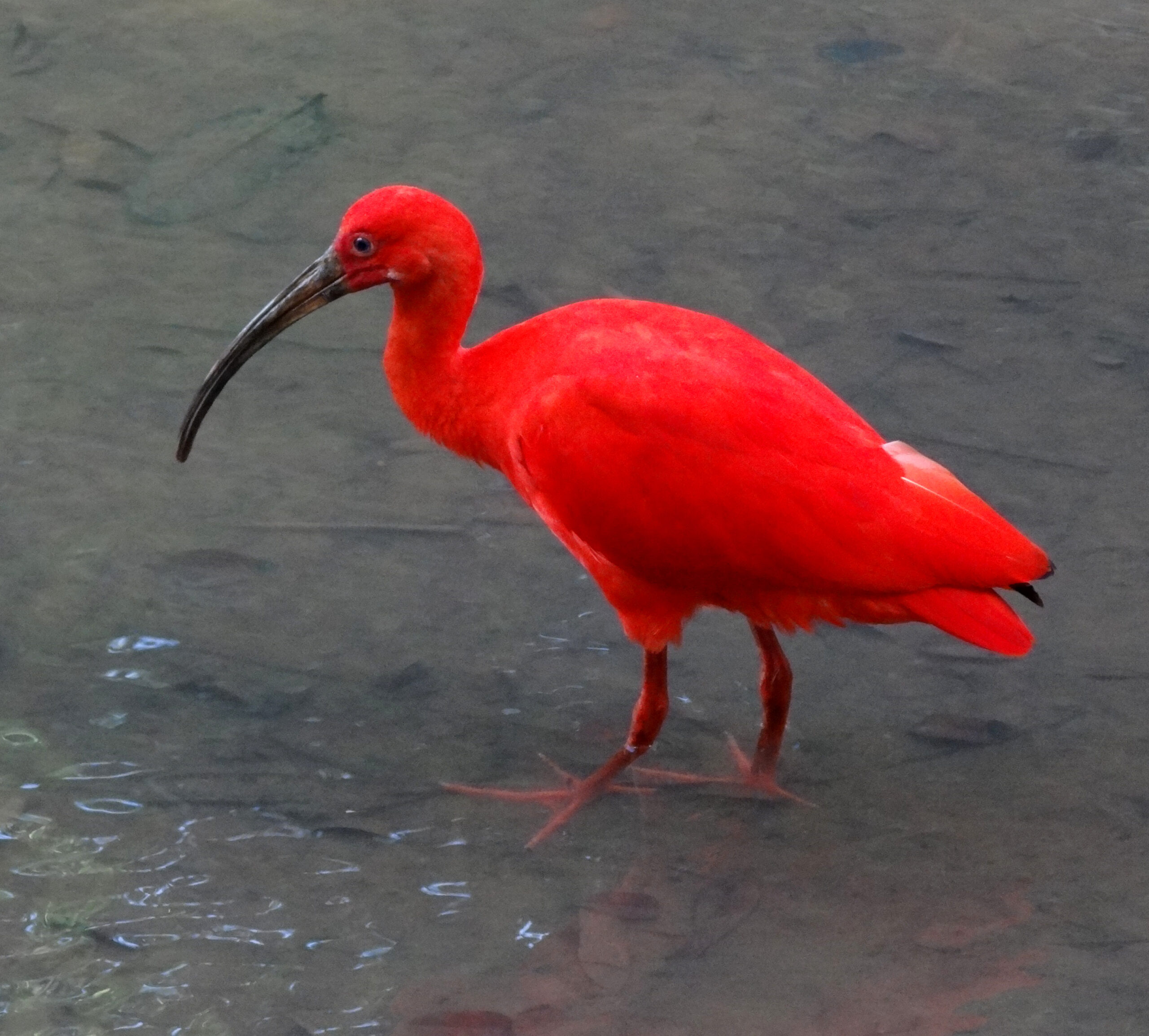 Photo Credit: Uspn / Wikimedia Commons
In the shimmering wetlands of the world, the Ibis, known scientifically as Threskiornithidae, stands out as a symbol of grace and adaptability. Picture a scene where the sun dips low, casting golden rays over a tranquil marsh. Here, the Ibis wades through the shallow waters, its long, slender neck elegantly arched as it searches for food. With a sharp, curved bill, it probes into the mud, uncovering hidden treasures like small fish and crustaceans. The Ibis is not just a beautiful sight; its vibrant plumage, ranging from deep reds to striking whites, captivates the hearts of birdwatchers and scientists alike.
What makes the Ibis particularly intriguing is its role in the ecosystem. As an omnivorous bird, it helps maintain the balance of its watery home by controlling populations of insects and other small creatures. This keystone species plays a vital part in the health of wetlands, where biodiversity thrives. The Ibis is also known for its social behavior, often seen foraging in groups, which adds to the lively atmosphere of its habitat. With a history that intertwines with human culture, from ancient Egypt to modern conservation efforts, the Ibis continues to inspire curiosity and admiration in those who encounter it. Join us as we explore the fascinating world of the Ibis, uncovering its secrets and the vital role it plays in our natural environment.
The Ibis holds a special place in the tree of life, showcasing a fascinating blend of characteristics that set it apart in the animal kingdom. Belonging to the family Threskiornithidae, these birds are known for their long, curved bills and striking plumage. They are often found wading in wetlands, where they use their bills to probe for food like insects and crustaceans. With their unique adaptations and social behaviors, such as nesting in colonies, ibises are not just beautiful; they also play important roles in their ecosystems.
| Taxonomic Rank | Scientific Name | Meaning & Significance |
|---|---|---|
| Kingdom | Animalia | This name signifies that ibises are part of the animal kingdom, which includes all multicellular organisms that are not plants, fungi, or bacteria. |
| Phylum | Chordata | Chordata means “having a notochord,” a flexible rod that supports the body, which is a key feature in the development of vertebrates like ibises. |
| Class | Aves | Aves is the class for birds, derived from the Latin word for bird, highlighting their feathers and ability to fly. |
| Order | Ciconiiformes | This order includes wading birds, with the name coming from “Ciconia,” the Latin word for stork, indicating their shared traits with these long-legged birds. |
| Family | Threskiornithidae | This family name combines Greek roots meaning “to reap” and “bird,” reflecting the ibises’ feeding habits as they forage for food in wetlands. |
| Genus | Threskiornis | Threskiornis comes from Greek, meaning “sacred bird,” which connects to the ibis’s historical significance in various cultures, especially in ancient Egypt. |
The classification of the Ibis reveals much about its evolutionary journey. As part of the larger group of birds, ibises share a common ancestor with other avian species, tracing back to the age of dinosaurs. Their unique adaptations, such as their specialized bills and social behaviors, have evolved over millions of years, allowing them to thrive in diverse habitats. Understanding where ibises fit in the tree of life not only highlights their biological significance but also underscores the intricate connections among all living organisms on our planet.
The evolutionary journey of the Ibis stretches back millions of years, weaving through the tapestry of time alongside the rise and fall of various life forms. These elegant birds belong to the family Threskiornithidae and are part of a larger group known as Ciconiiformes, which includes storks and herons. The ancestors of modern ibises first appeared during the late Eocene epoch, around 34 to 56 million years ago, marking the beginning of their long and fascinating story.
The early ancestors of ibises were likely wading birds that thrived in wetland habitats. Over time, they adapted to various environments, leading to significant evolutionary changes. One major transition was the development of long, curved bills, which allowed them to probe into mud and shallow waters for food like insects and crustaceans. This adaptation was crucial for survival, as it enabled them to exploit a variety of food sources in their habitats. As they evolved, ibises also developed strong legs for wading through water and marshy areas, enhancing their ability to navigate diverse landscapes.
These evolutionary adaptations have played a vital role in the survival of ibises across various ecosystems. Their long, curved bills and strong legs allow them to access food sources that many other birds cannot reach, while their social behavior provides safety in numbers. By being adaptable in their diet and capable of migrating, ibises can thrive in changing environments, ensuring their place in the natural world for generations to come.
The Ibis is a striking bird that captures attention with its graceful form and vibrant colors. Standing between 50 to 65 centimeters tall, it boasts a long, slender neck and a sharp, curved bill that is perfectly designed for probing into mud and shallow waters. Its body is often adorned with a mix of brilliant hues, ranging from deep blacks to shimmering whites, depending on the species. With long legs that allow it to wade through wetlands, the Ibis moves with a fluid elegance, making it a true spectacle in its natural habitat.
| Feature | Description |
|---|---|
| Height | 50cm – 65cm (19.7in – 25in) |
| Weight | 0.3kg – 2kg (0.6lbs – 4lbs) |
| Skin Type | Feathers |
The combination of the Ibis’s height, weight, and feathered body plays a crucial role in its survival. The long legs enable it to navigate through water and mud, while the slender bill is ideal for catching small fish and invertebrates. Its feathers not only provide insulation but also help in camouflage, allowing the Ibis to blend into its surroundings and avoid predators. Together, these features create a bird that is not only beautiful but also perfectly adapted to thrive in its wetland environment.
The Ibis thrives in lush, watery environments that are teeming with life. Picture vast marshes, where tall grasses sway gently in the breeze, and wetlands that glisten under the sun. These birds are often found wading through shallow waters, searching for food among the reeds and mud. Their habitats are alive with the sounds of croaking frogs and chirping insects, creating a symphony of nature that perfectly complements the Ibis’s elegant presence.
The Ibis prefers climates that are warm and humid, as these conditions support the rich biodiversity it relies on for food. Wetlands and swamps provide not only a source of nourishment but also a safe haven from predators. These areas often experience seasonal flooding, which creates a dynamic environment where the Ibis can find plenty of fish, insects, and crustaceans to eat. The combination of water and vegetation is essential for their survival, making these habitats vital.
Adaptation is key to the Ibis’s success in these environments. With their long, curved bills, they are perfectly designed to probe into mud and shallow waters, extracting hidden prey. Their long legs allow them to wade gracefully through varying depths, while their keen eyesight helps them spot food from a distance. These adaptations enable the Ibis to thrive in its watery home, showcasing the incredible ways animals evolve to fit their surroundings.
The daily life of an Ibis is a captivating blend of foraging, socializing, and resting. As the sun rises, these birds begin their day by searching for food in shallow waters and mudflats. With their long, curved bills, they probe into the soft ground, looking for tasty morsels like insects, crustaceans, and small fish. Throughout the day, they engage in a variety of activities, including preening their feathers to keep them clean and waterproof. As the sun sets, they often gather in trees or on the ground to roost, creating a lively scene filled with soft calls and rustling wings.
Social behavior is a key aspect of Ibis life. These birds are highly social and prefer to live in flocks, which can range from a few individuals to hundreds. This group dynamic helps them find food more efficiently and offers protection from predators. Within the flock, they communicate through a series of vocalizations and body movements, establishing a hierarchy that helps maintain order. Young birds learn from their elders, picking up essential skills for survival while enjoying the safety of numbers.
| Behavior Type | Description |
|---|---|
| Foraging | Ibises use their long bills to probe mud and shallow waters for food, such as insects and small fish. |
| Social Structure | They live in flocks, which provide safety in numbers and help with finding food. |
| Communication | Ibises communicate through vocalizations and body language, helping to maintain group cohesion. |
The behaviors of the Ibis are not just fascinating; they are essential for survival. By foraging in groups, they increase their chances of finding food and avoiding danger. Their social interactions help them learn and adapt, ensuring that younger birds grow up with the skills they need to thrive. In the ever-changing world of wetlands, these daily activities and social bonds are what keep the Ibis thriving, showcasing the beauty of cooperation in nature.
The Ibis is an omnivorous bird, meaning it enjoys a varied diet that includes both plants and animals. These birds are skilled foragers, using their long, curved bills to probe into mud and shallow waters. They often hunt in groups, which allows them to cover more ground and find food more efficiently. Their diet primarily consists of fish, crabs, and insects, making them versatile eaters that adapt to the availability of food in their environment.
| Dietary Aspect | Details |
|---|---|
| Diet Type | Omnivore |
| Favorite Foods | Fish, crabs, insects |
| Prey Items | Small fish, crustaceans, various insects |
| Hunting/Foraging Strategies | Probing in mud and shallow waters, often foraging in groups |
The Ibis’s diet plays a crucial role in its ecology and daily routine. By feeding on a variety of prey, these birds help maintain the balance of their wetland ecosystems. Their foraging habits not only provide them with nourishment but also contribute to the health of their habitats by controlling insect populations and influencing the distribution of aquatic life. As they search for food, they engage in social behaviors that strengthen their bonds with one another, making their daily lives as rich and dynamic as the environments they inhabit.
The mating behavior of the Ibis is a captivating spectacle, especially during the breeding season, which typically occurs in the warmer months. During this time, male Ibises engage in elaborate courtship displays to attract females. They may perform a series of graceful movements, including head bobbing and wing flapping, while also vocalizing to communicate their readiness to mate. Once a pair forms, they work together to find a suitable nesting site, often in colonies where they can benefit from the safety of numbers.
| Reproductive Aspect | Details |
|---|---|
| Gestation Period | Approximately 21 to 30 days |
| Litter Size | Typically 2 to 5 eggs |
| Age of Maturity | About 1 to 3 years |
| Name of Young | Chicks |
Once the eggs hatch, the young Ibises, known as chicks, are born with a soft downy covering and are initially helpless. The parents are highly attentive, providing warmth and protection while teaching their young essential survival skills. As the chicks grow, they begin to explore their surroundings, learning to forage for food alongside their parents. This nurturing phase is crucial, as it helps the young Ibises develop the skills they need to thrive independently. By the time they reach maturity, they are ready to embark on their own journeys, continuing the cycle of life in the vibrant wetlands they call home.
The Ibis occupies a vital role in the food web, acting as both predator and prey. These birds primarily feed on small fish, insects, and crustaceans, helping to control populations of these creatures in their wetland habitats. However, they are also vulnerable to various predators, making their survival a delicate balance within the ecosystem.
To defend themselves against these threats, Ibises have developed several survival strategies. They often nest in colonies, which provides safety in numbers, making it harder for predators to target individual birds. When threatened, they can take flight quickly, using their strong wings to escape danger. Additionally, their long legs allow them to wade into deeper waters, where they can evade land-based predators. Through these clever adaptations, Ibises continue to thrive in their watery homes despite the challenges they face.
A keystone species is a vital part of its ecosystem, playing a unique role that affects many other organisms. If removed, the entire ecosystem could change dramatically. The Ibis, with its omnivorous diet and habitat preferences, qualifies as a keystone species. Its presence in marshes and wetlands helps maintain the balance of these rich environments, making it an essential player in the ecological drama of its home.
The Ibis impacts its ecosystem in several significant ways. First, by foraging for food, it helps control populations of small fish, insects, and crustaceans. This not only keeps these populations in check but also ensures that the food web remains stable. When Ibises probe into the mud with their long, curved bills, they stir up nutrients, promoting the growth of aquatic plants. These plants, in turn, provide shelter and food for countless other species, creating a thriving habitat.
Moreover, Ibises are social birds that often forage in groups. This behavior can lead to increased foraging efficiency, allowing them to find food more effectively. Their communal feeding habits can also influence the behavior of other animals in the area, as they may attract predators or other scavengers looking to take advantage of the food sources uncovered by the Ibises.
The Ibis also plays a role in nutrient cycling. As it consumes various organisms, it contributes to the nutrient flow within the ecosystem. When these birds excrete waste, they return essential nutrients back to the soil and water, supporting plant growth and overall ecosystem health.
If the Ibis were to disappear, the effects would ripple through its ecosystem. Without these birds, populations of small fish and insects could explode, leading to overgrazing of aquatic plants. This could result in habitat loss for many other species that rely on these plants for food and shelter. The delicate balance of the marshes and wetlands would be disrupted, potentially leading to a decline in biodiversity. In essence, the absence of the Ibis would create a cascade of changes, highlighting just how crucial this bird is to its environment.
The Ibis plays a crucial role in its ecosystem, particularly in marshes, wetlands, and swamps. These environments are rich in biodiversity, and the Ibis helps maintain this balance. By foraging for food, the Ibis interacts with various species, influencing the population dynamics of both plants and animals. Its presence is a sign of a healthy ecosystem, as these birds thrive in areas where water and vegetation are abundant.
| Ecosystem Service | Impact |
|---|---|
| Foraging | Controls populations of insects and small fish, preventing overpopulation. |
| Seed Dispersal | Helps in spreading plant seeds, promoting plant diversity. |
| Nutrient Cycling | Contributes to nutrient distribution in wetland soils through waste. |
| Habitat Creation | Encourages the growth of vegetation that provides shelter for other species. |
The Ibis’s foraging habits are particularly influential. As it wades through shallow waters, it stirs up mud, uncovering hidden insects and crustaceans. This not only provides food for the Ibis but also benefits other birds and animals that rely on these disturbed areas for their own meals. Additionally, as the Ibis consumes various plants and seeds, it aids in the dispersal of these species, allowing new plants to grow and thrive in different locations. This interaction fosters a rich tapestry of life in its habitat.
The broader ecological importance of the Ibis cannot be overstated. As a keystone species, its activities support the health of the entire ecosystem. If the Ibis were to disappear, the balance of its environment could shift dramatically, leading to overpopulation of certain species and a decline in others. By maintaining this delicate balance, the Ibis ensures that its wetland home remains vibrant and full of life, showcasing the interconnectedness of all living things.
In the intricate web of life, symbiosis refers to the close interactions between different species, which can take on various forms. These relationships can be mutualistic, where both species benefit; parasitic, where one benefits at the expense of the other; or commensal, where one benefits while the other is neither helped nor harmed. The Ibis, with its graceful presence in wetlands and marshes, engages in several fascinating partnerships that highlight the interconnectedness of nature.
| Species/Type | Relationship Type | Description |
|---|---|---|
| Fish | Mutualistic | Ibises often forage alongside fish, stirring up the mud. As they do this, they help fish find food, while the fish also help the ibises by revealing hidden prey. |
| Insects | Mutualistic | Insects like dragonflies and beetles are attracted to the same wetland areas as ibises. As ibises forage, they help control insect populations, benefiting the ecosystem. |
| Water Plants | Commensal | Ibises often nest in water plants, which provide shelter. While the plants are not affected, the ibises gain protection from predators. |
These relationships have evolved over time, shaped by the needs and behaviors of the species involved. The Ibis has adapted to thrive in its environment, forming partnerships that enhance its survival and the health of its ecosystem. By working together with other species, the Ibis not only secures its own needs but also contributes to the balance of life in the wetlands, showcasing the beauty of nature’s interconnectedness.
The Ibis is a captivating bird that has intrigued nature enthusiasts for centuries. With its striking appearance and unique behaviors, this bird offers a wealth of surprises that reveal the wonders of the natural world.
The Ibis has long been intertwined with human history, serving as a symbol of various cultures and beliefs. In ancient Egypt, these elegant birds were revered and often associated with Thoth, the god of wisdom and writing. Their striking appearance and graceful movements captured the imagination of artists and storytellers, leading to their depiction in countless hieroglyphs and artifacts. This cultural significance highlights how humans have viewed the Ibis not just as a bird, but as a creature of importance, embodying traits we admire and aspire to.
Today, the relationship between Ibises and humans is more complex, marked by both cooperation and conflict. In many regions, conservation efforts are underway to protect these birds and their habitats, as wetlands face threats from urban development and pollution. However, in some areas, Ibises can be seen as pests, particularly when they forage in agricultural fields, leading to tensions between farmers and these foraging birds. Interestingly, some species of Ibis have adapted to urban environments, finding food in parks and gardens, which showcases their resilience and ability to coexist with humans.
As we look to the future, the relationship between Ibises and humanity will likely continue to evolve. With increasing awareness of environmental issues, more people are recognizing the importance of protecting these birds and their habitats. By fostering a deeper understanding of the Ibis and its role in the ecosystem, we can work towards a harmonious coexistence that benefits both humans and wildlife. The journey ahead is one of collaboration, where respect for nature can lead to a brighter future for these remarkable birds and the environments they inhabit.
The conservation status of the Ibis varies among its species, but many are currently classified as “Least Concern” by the International Union for Conservation of Nature (IUCN). This means that, overall, they are not facing immediate threats of extinction. However, population trends can differ significantly depending on the specific species and their habitats. While some populations are stable, others may be experiencing declines due to various environmental pressures.
| Conservation Factor | Status/Details |
|---|---|
| IUCN Status | Least Concern |
| Population Estimates | Varies by species; some stable, others declining |
| Trend Direction | Mixed; some populations increasing, others decreasing |
Despite their overall stable status, Ibises face several significant threats that can impact their populations. Habitat loss is one of the most pressing issues, as wetlands and marshes are drained for agriculture and urban development. Pollution from agricultural runoff can also degrade their feeding grounds, making it harder for them to find food. Additionally, climate change poses a growing risk, altering the delicate ecosystems where these birds thrive and affecting their migratory patterns.
Conservation efforts are underway to protect the Ibis and its habitats. Organizations are working to restore wetlands and promote sustainable land use practices that benefit both wildlife and local communities. Public awareness campaigns aim to educate people about the importance of these birds and their ecosystems. With continued efforts, there is hope that the Ibis will maintain its populations and continue to play its vital role in the environment for generations to come.
| Question | Answer |
|---|---|
| What is the habitat of the Ibis? | Ibises are commonly found in marshes, wetlands, and swamps. These areas provide them with plenty of food and places to nest, making them ideal homes for these wading birds. |
| What do Ibises eat? | Ibises are omnivores, which means they eat both plants and animals. Their diet includes insects, crustaceans, small fish, and various aquatic plants, allowing them to thrive in their wetland habitats. |
| How do Ibises behave in the wild? | Ibises are social birds that often live in large flocks. They are known for their distinctive foraging behavior, where they probe mud and shallow water with their long, curved bills to find food. |
| How do Ibises reproduce? | During the breeding season, Ibises build nests in trees or on the ground, often in colonies. The female typically lays 2 to 5 eggs, which both parents help to incubate until they hatch. |
| What threats do Ibises face? | While Ibises are currently classified as Least Concern, they still face threats from habitat loss due to human activities like drainage of wetlands. Pollution and climate change also pose risks to their populations. |
| What are some interesting characteristics of Ibises? | Ibises are known for their long, curved bills, which are perfectly adapted for probing in mud and shallow water. They also have striking plumage, with some species displaying vibrant colors that can change with the seasons. |
| Can Ibises fly long distances? | Yes, Ibises are strong fliers and can travel long distances in search of food or suitable nesting sites. They often migrate seasonally, following the availability of resources in their habitats. |